
As the spring sun warms the ancient lands of Egypt, a unique blend of tradition and celebration comes to life during Easter. This cherished holiday holds a special place in the hearts of Egyptians, weaving together centuries-old customs with modern festivities. Visitors to Egypt during this time are in for a treat, as they witness the country's rich cultural tapestry unfold in a vibrant display of faith, food, and festivity.
From the aromatic scents of traditional Easter delicacies wafting through bustling markets to the solemn yet joyous religious ceremonies in historic churches, Easter in Egypt offers a captivating experience for travelers. This article delves into the heart of Egyptian Easter traditions, showcasing the must-try activities for tourists, and exploring the mouthwatering culinary delights that make this celebration truly unforgettable. Whether you're a culture enthusiast or a curious traveler, discovering Easter in Egypt promises to be an enriching journey through time and tradition.

Easter holds a special place in the hearts of Coptic Orthodox Christians in Egypt. The celebration, known as "Pascha" in the Coptic language, begins with a solemn and beautiful ceremony on Saturday evening. During this ritual, the faithful gather to read psalms, sing sacred hymns, and infuse incense, creating an atmosphere of reverence and anticipation. As the ceremony progresses, all lights are turned off, only to be reignited when the resurrection is recalled, symbolizing the transition from darkness to light.
The Great Lent fast, which precedes Easter, comes to an end on Easter Day. This joyous occasion marks the beginning of a 50-day celebration period, culminating in Pentecost. Throughout this time, Coptic Christians celebrate Christ's resurrection daily, reflecting on the profound mystery of Christ's presence through the Holy Spirit.
Intertwined with Easter celebrations is Sham El-Nessim, a unique Egyptian festival that falls on Easter Monday. This ancient tradition, dating back to 2700 BC, has its roots in Egyptian agricultural practices. Today, Sham El-Nessim, which translates to "smelling the breeze" in Arabic, is celebrated by all Egyptians, regardless of religious affiliation, as a national holiday welcoming the arrival of spring.
On this day, Egyptians flock to outdoor spaces to enjoy the pleasant spring weather. Parks, public gardens, zoos, and Nile cruises have become popular destinations for families and friends to gather and celebrate. The festival is marked by several traditional customs:
Easter and Sham El-Nessim are times for joyous family gatherings and feasts. Families come together to celebrate, often wearing new clothes and exchanging gifts, especially for children. The festivities include preparing special meals and traditional desserts such as Kahk (cookies decorated with icing and nuts), Konafa, Basbosa, and Cassata.
On Easter Sunday, families attend church services, visit relatives, and organize picnics in beautiful outdoor settings. The following day, Sham El-Nessim, sees Egyptians heading out to enjoy nature, often packing picnic baskets filled with colored eggs, salted fish, and other traditional delicacies.
These celebrations not only honor religious traditions but also serve as a time for Egyptians to come together, enjoying the company of loved ones and the beauty of spring in their ancient and vibrant land.

For travelers seeking a profound cultural experience, attending a Coptic Easter service offers a unique glimpse into Egypt's rich religious traditions. The Coptic Orthodox Church, with its 2,000-year history, celebrates Easter, known as "Pascha," with special services and processions throughout Holy Week. Visitors can witness the beautiful rituals, including the reading of psalms, the singing of sacred hymns, and the use of incense, creating an atmosphere of reverence and anticipation.
Egypt's ancient wonders come alive during Easter, offering tourists a chance to explore history in a festive atmosphere. The Great Pyramids of Giza, the sole remaining wonders of the ancient world, are exquisitely illuminated at night during Easter, creating a mystical setting for evening strolls. Luxor, often called the world's largest open-air museum, is a fantastic location for families during Easter, with its vibrant decorations and celebrations. Visitors can explore the Valley of the Kings, the Temple of Luxor, and the Temple of Karnak.
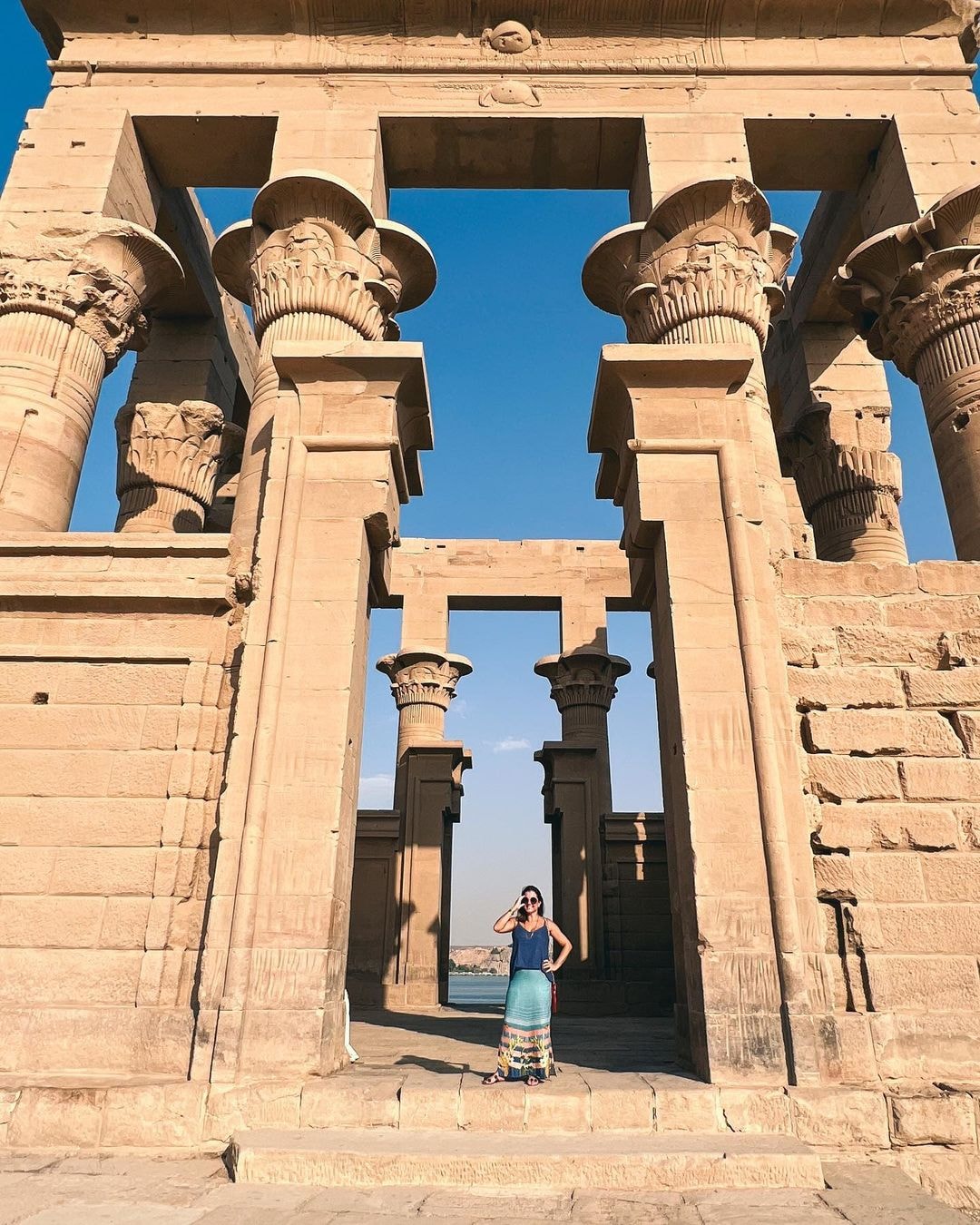
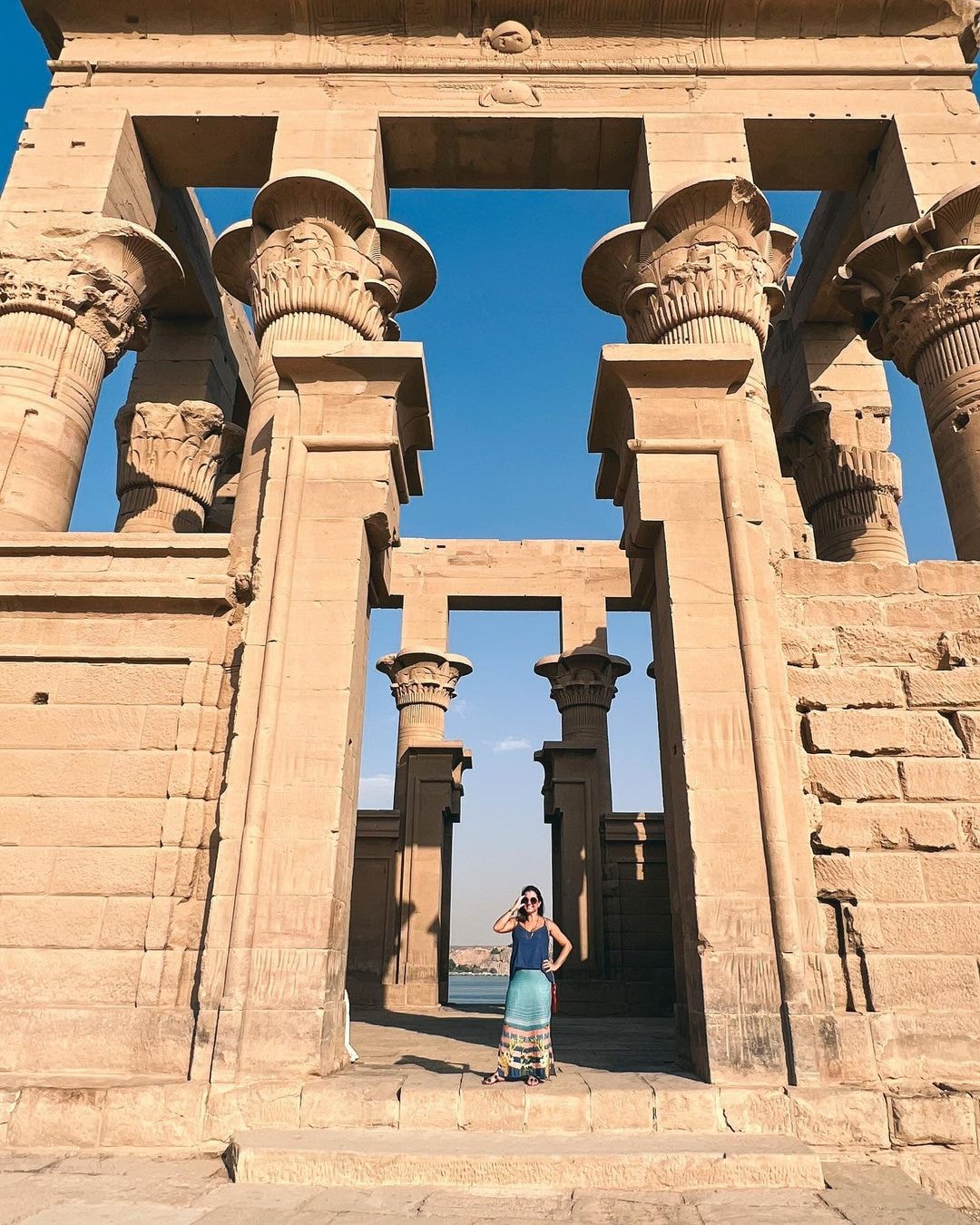
In Aswan, tourists can experience the traditional Nubian Festival, featuring vibrant dance performances, music, and costumes that honor the Nubian culture. The magnificent Philae Temple and a leisurely boat trip on the Nile River are also must-see attractions in this picturesque city.
Easter brings Cairo's bustling markets to life with colorful decorations and a lively atmosphere. The Khan El-Khalili bazaar is a prime destination for experiencing the festive spirit and shopping for traditional crafts and souvenirs. Visitors can immerse themselves in the vibrant street fairs and cultural performances that take place throughout the city during this time.
For a taste of local traditions, tourists can participate in egg painting activities, a custom that symbolizes new life and the resurrection. They can also sample traditional Easter dishes such as "feseekh," a type of salted and dried fish typically served with bread and onions.

Egyptian Easter brings a feast of flavors to the table, blending ancient traditions with modern culinary artistry. As the Great Fast ends, Coptic families prepare sumptuous banquets to break their 55-day vegan diet.
4. Colored Easter Eggs
5. Beid Mozalel (Bard Mezallal)

For those looking to experience authentic Egyptian Easter cuisine, a Nile River cruise offers a unique opportunity. Sailing from Luxor to Aswan, travelers can indulge in traditional dishes while exploring ancient temples. Local markets, known as souks, provide a vibrant atmosphere to sample street foods and purchase ingredients for home cooking.
Immersing oneself in Egyptian culinary traditions through cooking classes has become an increasingly popular activity for tourists. On the Dahabiya, visitors can join a chef-led excursion to local markets, followed by a hands-on cooking class on the upper deck. One such experience involves preparing "Tagine El batates," a versatile potato dish that can be served as a side or main course.
For those seeking a more comprehensive culinary journey, specialized Egypt culinary tours offer cooking classes in various regions, including Aswan, Kom Ombo, Edfu, and Luxor. These experiences allow travelers to explore local markets, learn traditional cooking techniques, and create authentic Egyptian dishes under the guidance of local chefs.

Easter in Egypt offers a captivating blend of ancient traditions and modern celebrations, making it a unique and enriching experience for travelers. From the solemn Coptic Easter rituals to the joyous Sham El-Nessim festivities, visitors can immerse themselves in a cultural tapestry that spans millennia. The vibrant markets illuminated historical sites, and mouthwatering culinary delights create a feast for the senses, allowing tourists to connect with Egypt's rich heritage in a meaningful way.
For those eager to explore this fascinating celebration, Egypt provides a wealth of opportunities to engage with local customs and create lasting memories. Whether it's attending a Coptic Easter mass, exploring ancient wonders, or savoring traditional Easter foods, there's something for every curious traveler. To dive deeper into these experiences and discover our tours, visit our website for more information on how to make the most of your Easter journey in Egypt. This springtime celebration truly showcases the warmth and hospitality of the Egyptian people, making it an ideal time to visit this timeless land.
Q1. How do Egyptians celebrate Easter?
In Egypt, Coptic Easter celebrations commence on Saturday evening with a ceremony that features the reading of psalms, singing of sacred hymns, and the use of incense. During this ceremony, all lights are extinguished and only lit to commemorate the resurrection.
Q2. Which holiday is considered the most significant in Egypt and when is it observed?
Egypt’s most notable holiday is the National Day, observed on July 23. This day marks the celebration of the Egyptian Revolution of 1952, which led to the establishment of the modern republic of Egypt and the end of the Kingdom of Egypt. Besides this, four Islamic and two Christian holidays are also celebrated.
Q3. What aspects of Egypt are most admired by visitors?
Visitors to Egypt are often captivated by the country's iconic landmarks and cultural heritage. This includes the majestic pyramids, ancient mummies, intricate hieroglyphics, and the statues and pillars found in temples. The rich history and the pride of the Egyptian people also draw admiration.
Q4. What are some positive aspects of Egypt?
Egypt is renowned for its rich natural resources, particularly its abundant fish populations, which thrive in both the fresh waters of the Nile and the salt waters of the Mediterranean and Red Sea. The Nile perch, in particular, is noted for its increasing size and quality, benefiting from the rich food sources accumulating behind the High Dam at Aswan.
Q5. What is the best time to visit Egypt?
The best time to visit Egypt is from October to April, when the weather is cooler and more comfortable for sightseeing. During these months, travelers can explore famous attractions such as the pyramids, temples, and deserts without the intense summer heat.
Q6. What are the most famous tourist attractions in Egypt?
Egypt is home to some of the world’s most famous landmarks, including the Great Pyramids of Giza, the Sphinx, the temples of Luxor and Karnak, the Valley of the Kings, and the Nile River. Many visitors also enjoy relaxing on the beaches of the Red Sea in destinations like Hurghada and Sharm El Sheikh.
Q7. What traditional foods should visitors try in Egypt?
Visitors to Egypt should try popular local dishes such as koshari, ful medames, taameya (Egyptian falafel), and molokhia. Egyptian cuisine is known for its rich flavors, simple ingredients, and a mix of Mediterranean and Middle Eastern influences.
Q8. Is Egypt safe for tourists?
Yes, Egypt is generally safe for tourists, especially in major tourist destinations such as Cairo, Luxor, Aswan, and Red Sea resorts. Visitors are advised to follow basic travel guidelines, stay with licensed tour operators, and respect local customs and traditions.
Q9. What currency is used in Egypt?
The official currency of Egypt is the Egyptian Pound (EGP). Credit cards are widely accepted in hotels and larger shops, but it is useful to carry some cash for local markets, taxis, and small businesses.
Q10. What language is spoken in Egypt?
The official language of Egypt is Arabic. However, English is widely spoken in tourist areas, hotels, and by tour guides, making it easy for international visitors to communicate during their stay.

Find Related Tours

All Egypt Tours Magazine

Explore the world's most spectacular coral reefs and discover why the Red Sea offers the planet's best snorkeling experiences
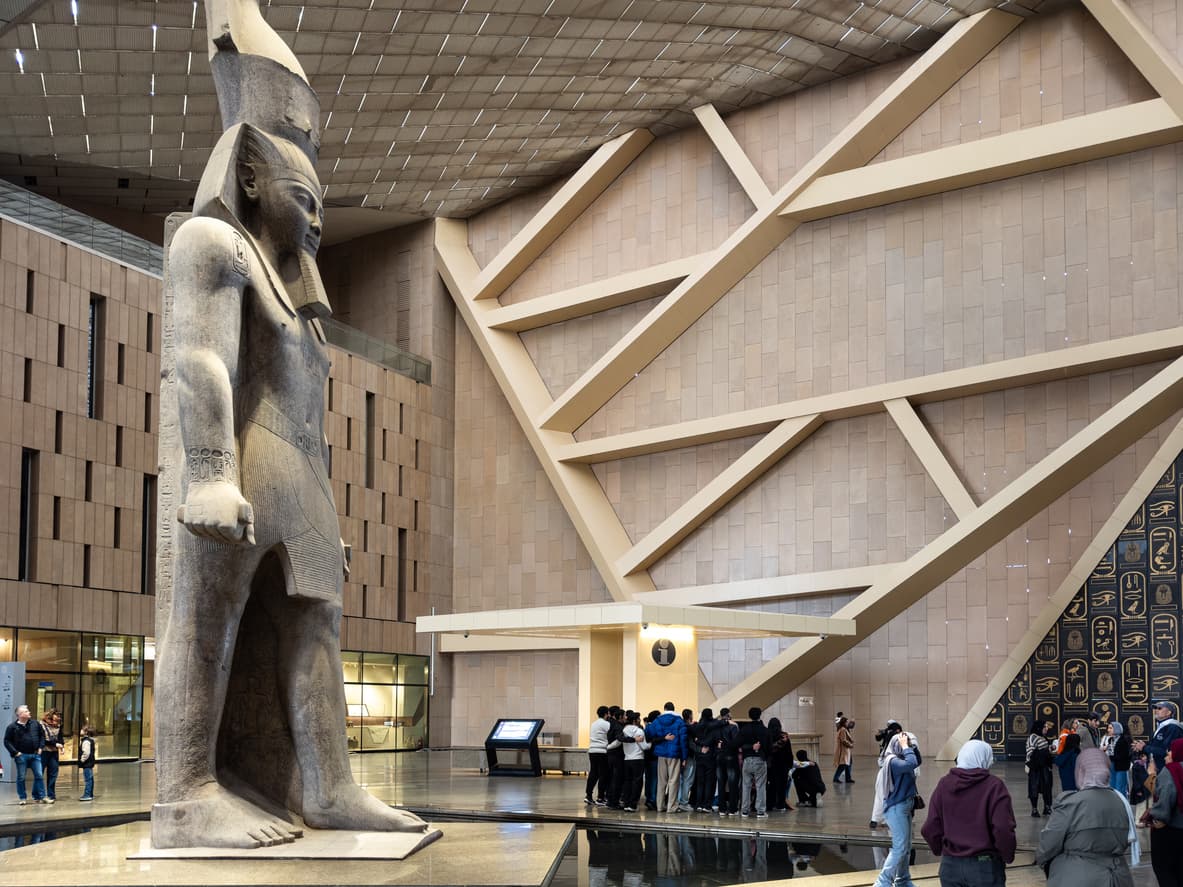
Your ultimate Grand Egyptian Museum Guide: explore highlights, practical advice, and insider tips to make the most of your museum adventure.
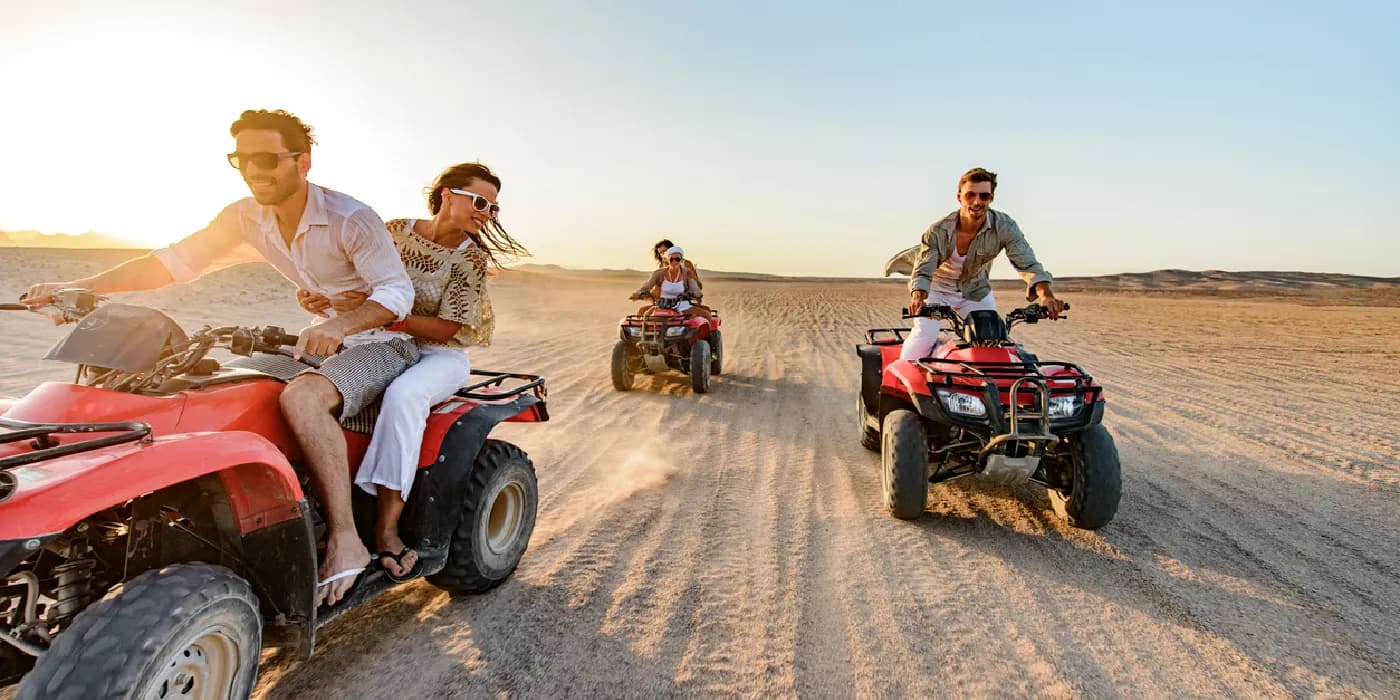
From the White Desert to Siwa Oasis, discover the best Egypt desert adventures, including stargazing, and unforgettable safari experiences.
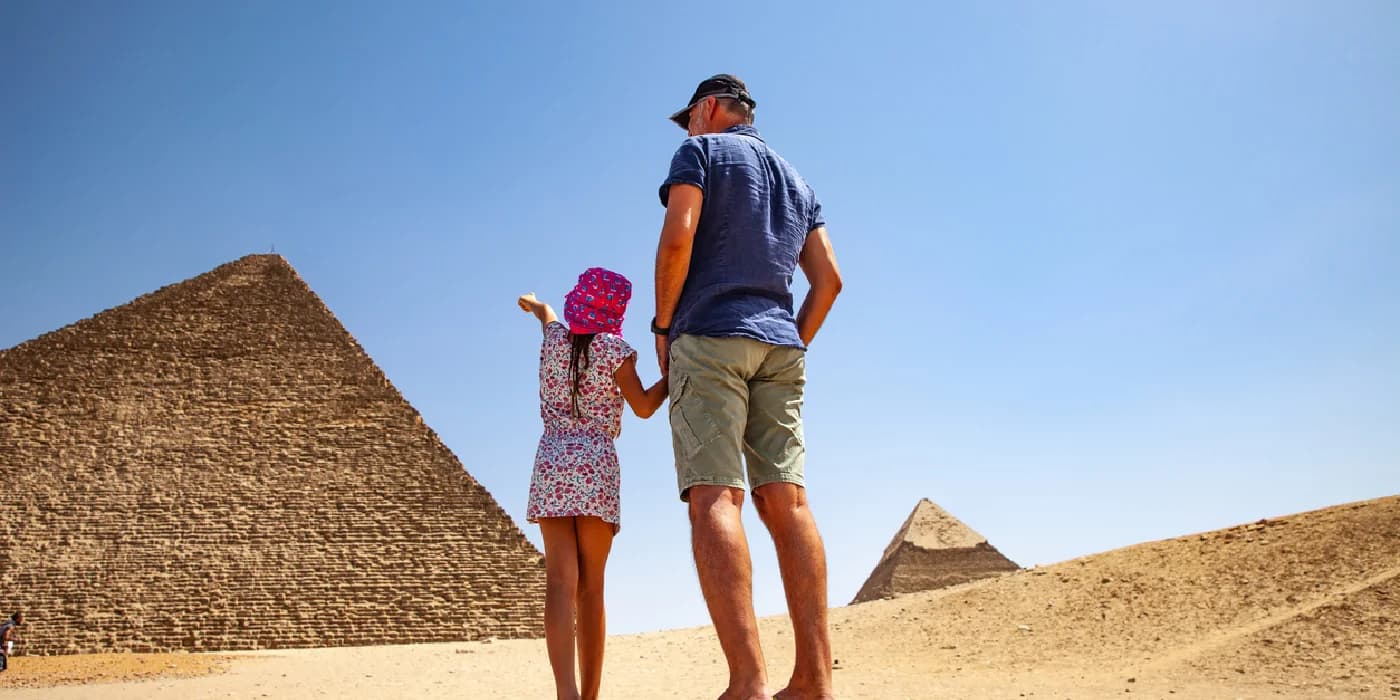
Discover the best places and activities for kids in Egypt, from the pyramids and Nile cruises to Red Sea beaches, and family-friendly experiences.
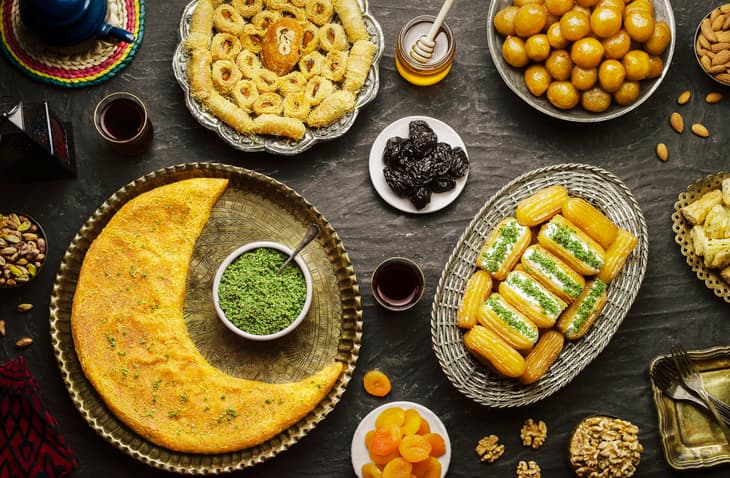
Explore traditional Egyptian desserts with this complete guide. Discover basbousa, kunafa, om ali & more sweet treats that make Egypt's cuisine amazing!
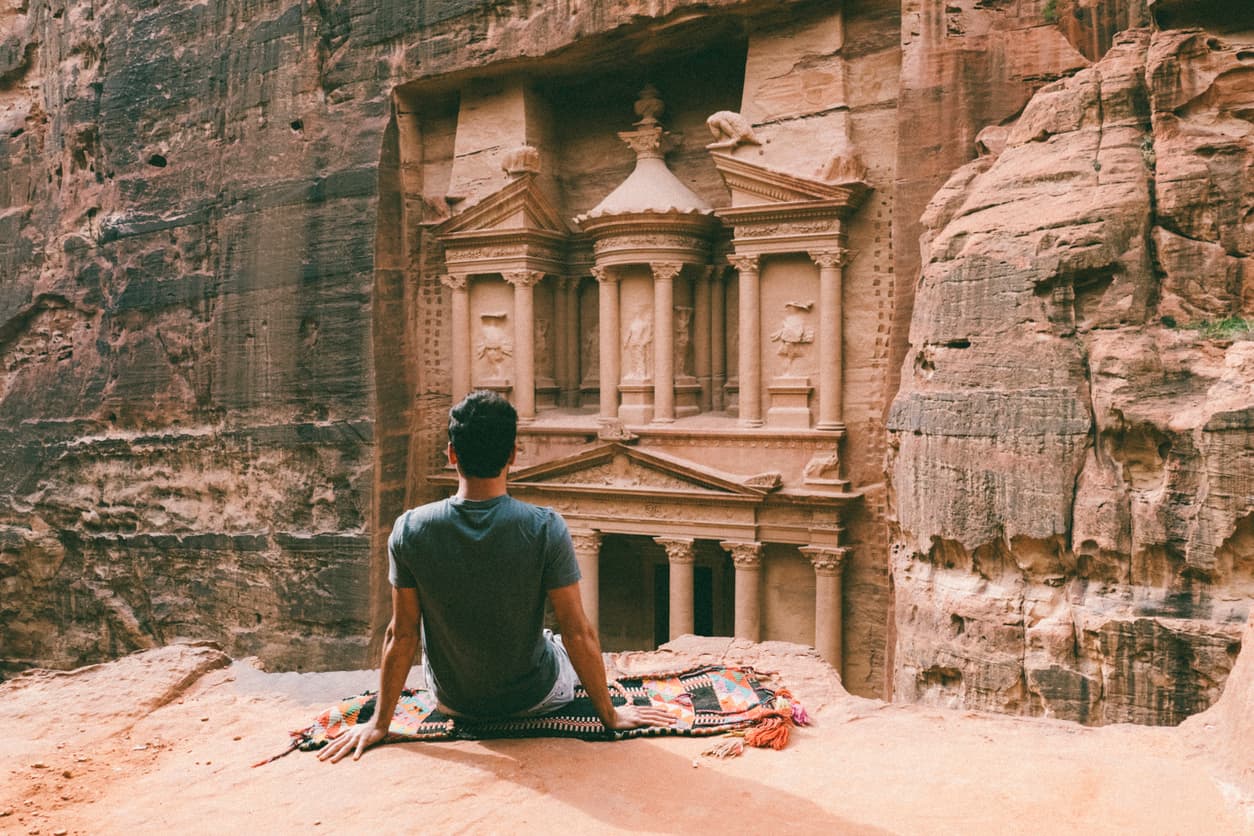
Master the Egypt-Jordan border crossing at Taba-Aqaba. Complete guide with visa info, costs, transport options & pro tips for hassle-free travel.
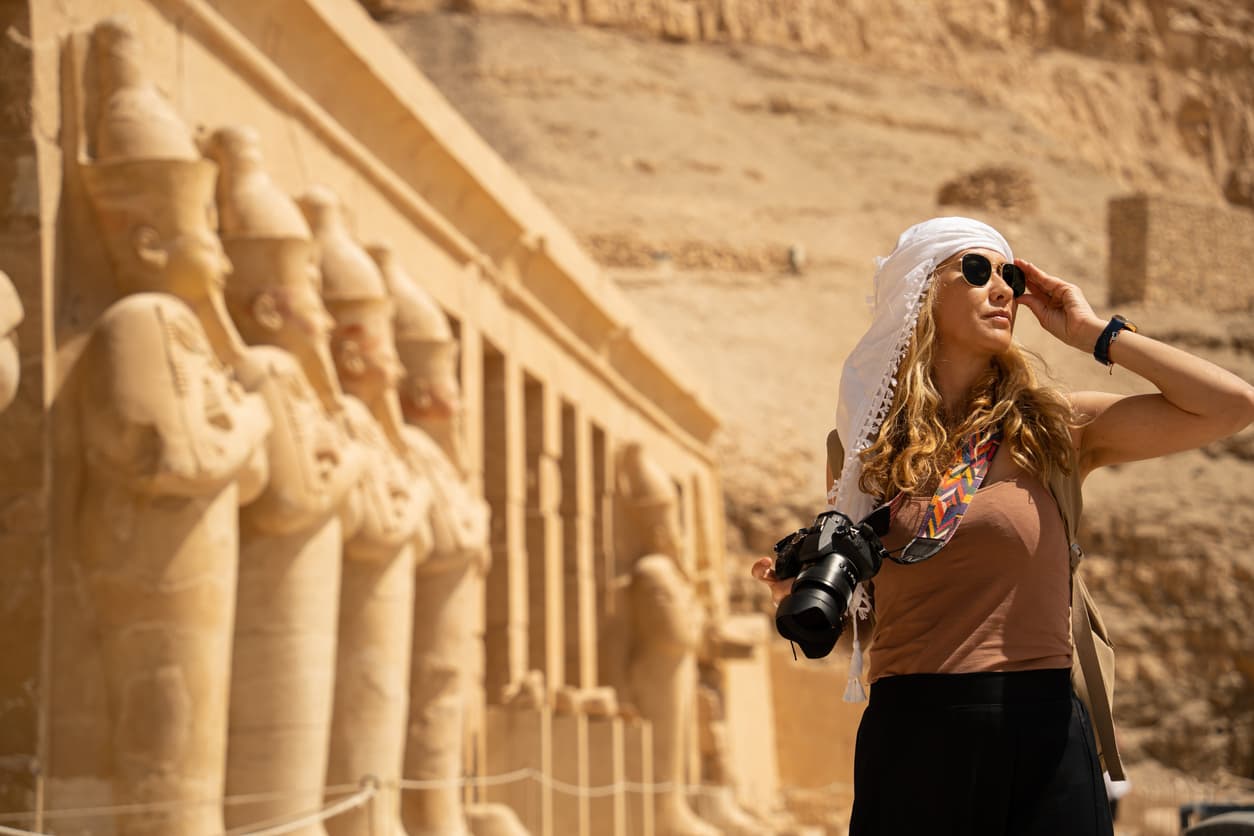
Discover Luxor's top 10 must-visit attractions including ancient temples, royal tombs & stunning monuments. Your ultimate guide to Egypt's greatest city!


© Copyright 2026 Go All Egypt Tours. All Rights Reserved.