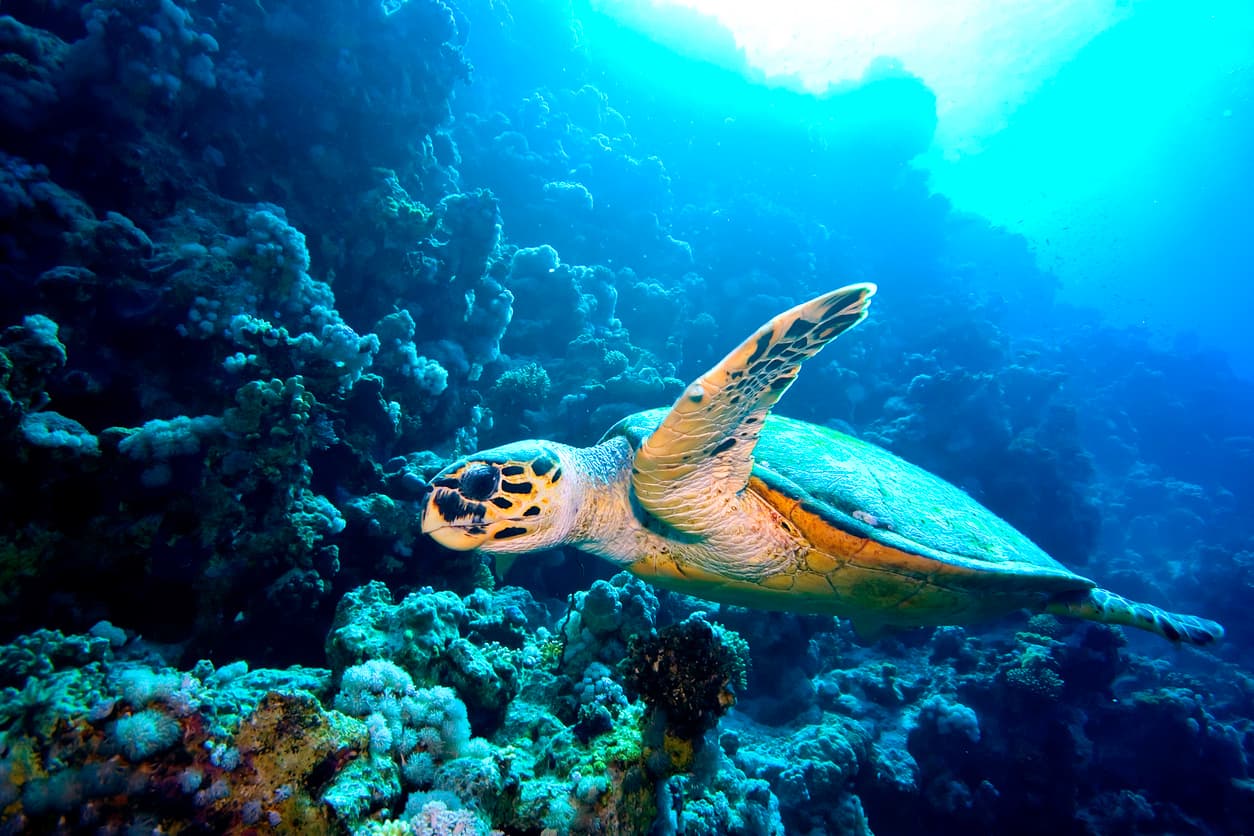
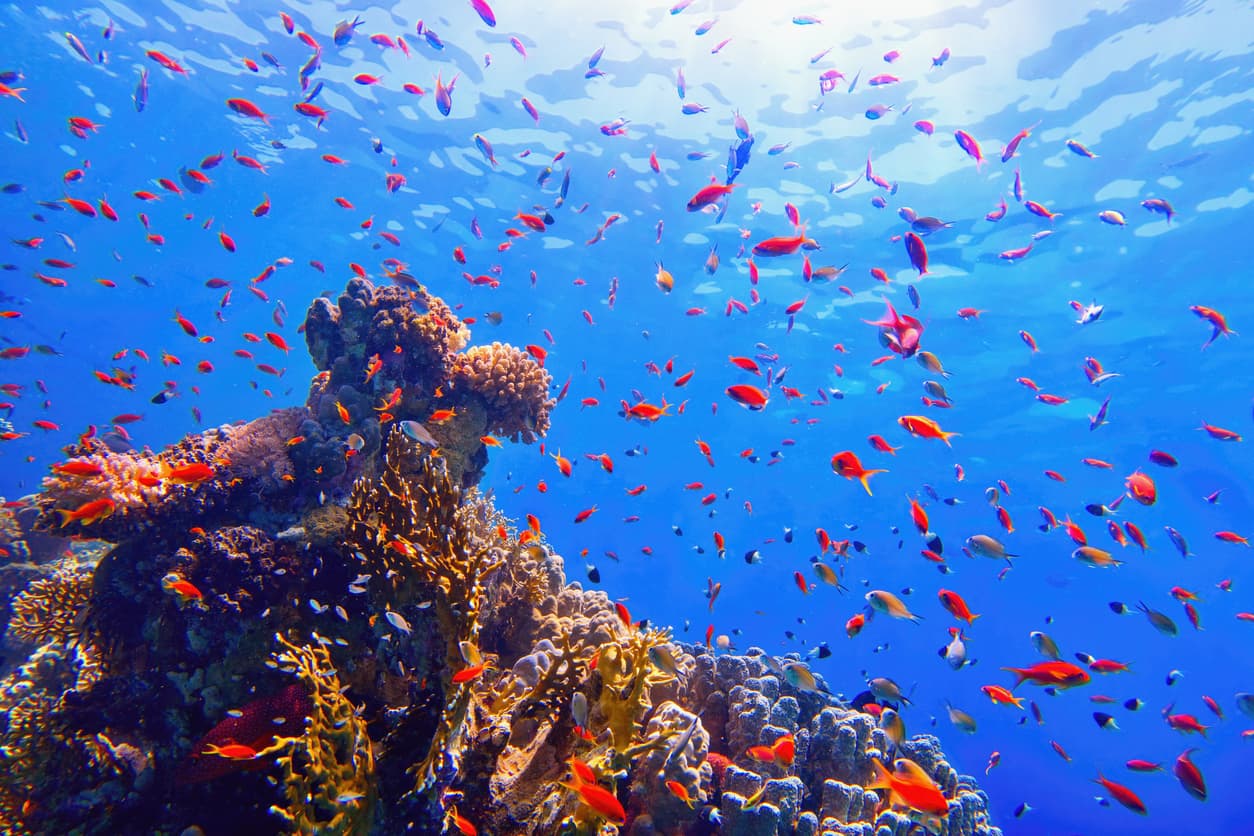
The Red Sea is one of the world’s top snorkeling destinations, featuring clear waters, vibrant coral reefs, and rich marine biodiversity. Stretching along Egypt’s eastern coast, it hosts over 1,200 fish species and 200 coral varieties.
From Sharm El Sheikh’s famous reefs to Marsa Alam’s remote underwater sanctuaries, the region offers unforgettable snorkeling experiences for all skill levels, including encounters with dolphins, sea turtles, and pristine coral gardens.
The Red Sea's unique characteristics create ideal snorkeling conditions:
Crystal Clarity: Visibility regularly exceeds 30 meters, revealing underwater landscapes in stunning detail.
Year-Round Warmth: Water temperatures averaging 22-28°C eliminate wetsuit requirements for most visitors.
Minimal Tides: Calm conditions make snorkeling accessible even for beginners.
Biodiversity Hotspot: Over 1,200 fish species including 10% found only in the Red Sea.
Pristine Reefs: Protected marine parks preserve coral ecosystems in near-pristine condition.
Accessibility: Many best snorkeling sites in Red Sea locations lie just meters from beaches, requiring no boat access.
Sharm El Sheikh in South Sinai offers some of Egypt's most famous underwater treasures, combining accessibility with world-class marine environments.
Ras Mohamed National Park is one of the Red Sea’s premier snorkeling destinations, located 12 km southwest of Sharm El Sheikh at the southern tip of the Sinai Peninsula. Highlights include:
Marine life sightings often include Napoleon wrasse, moray eels, lionfish, octopus, and occasional dolphins. With 30–40 meters of underwater visibility and strict protection for coral health, the park offers pristine snorkeling experiences. Accessible via day trips from Sharm El Sheikh hotels or independent travel (entry fee applies).
The straits between Sinai Peninsula and Saudi Arabia create four spectacular reefs (Jackson, Woodhouse, Thomas, and Gordon) ranking among the best snorkeling sites in Red Sea destinations.
Gordon Reef: Accessible from boat trips, featuring coral gardens in 3-15 meters depth with countless reef fish, angelfish swarms, and regular turtle encounters.
Jackson Reef: Strong currents attract pelagic species—tuna, sharks, and dolphins frequent these waters.
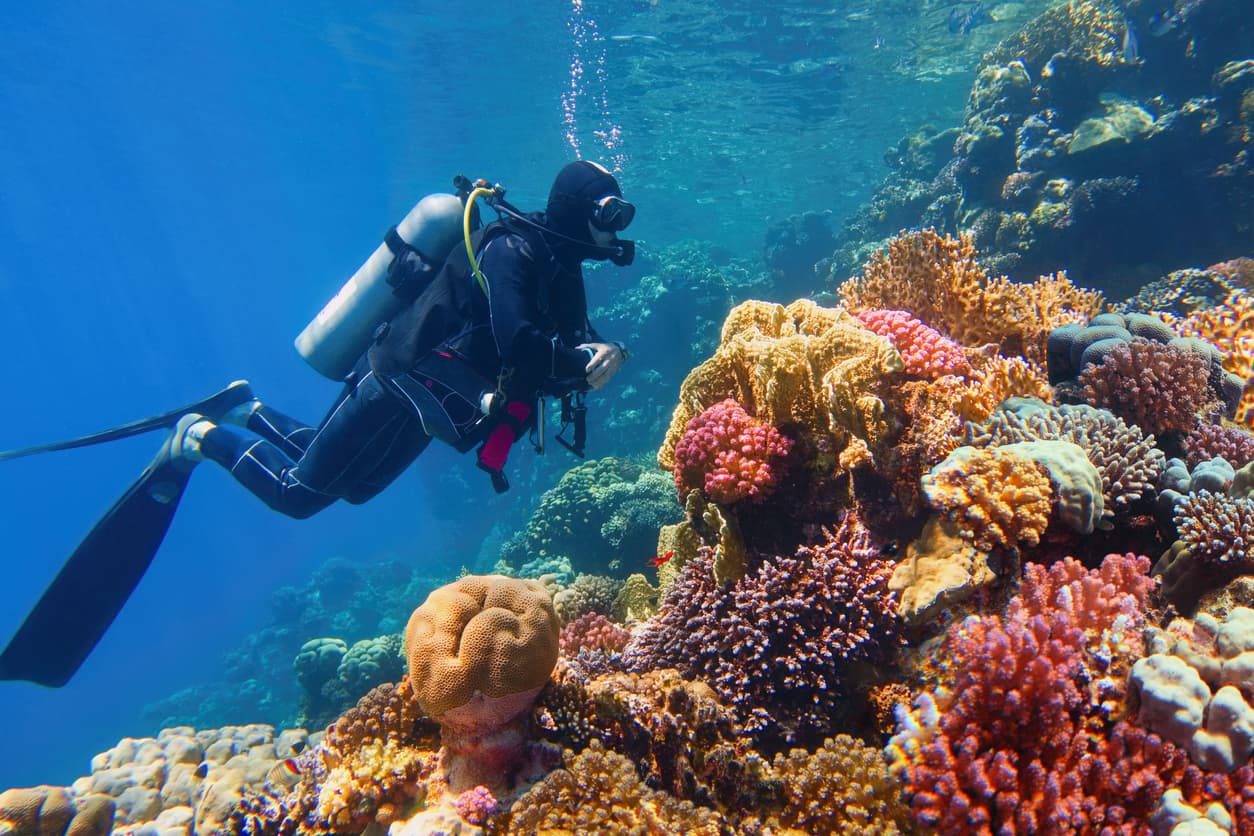
Marine Diversity: Over 200 coral species create rainbow-colored underwater landscapes, with anemones hosting clownfish colonies, giant moray eels hiding in crevices, and parrotfish grazing coral.
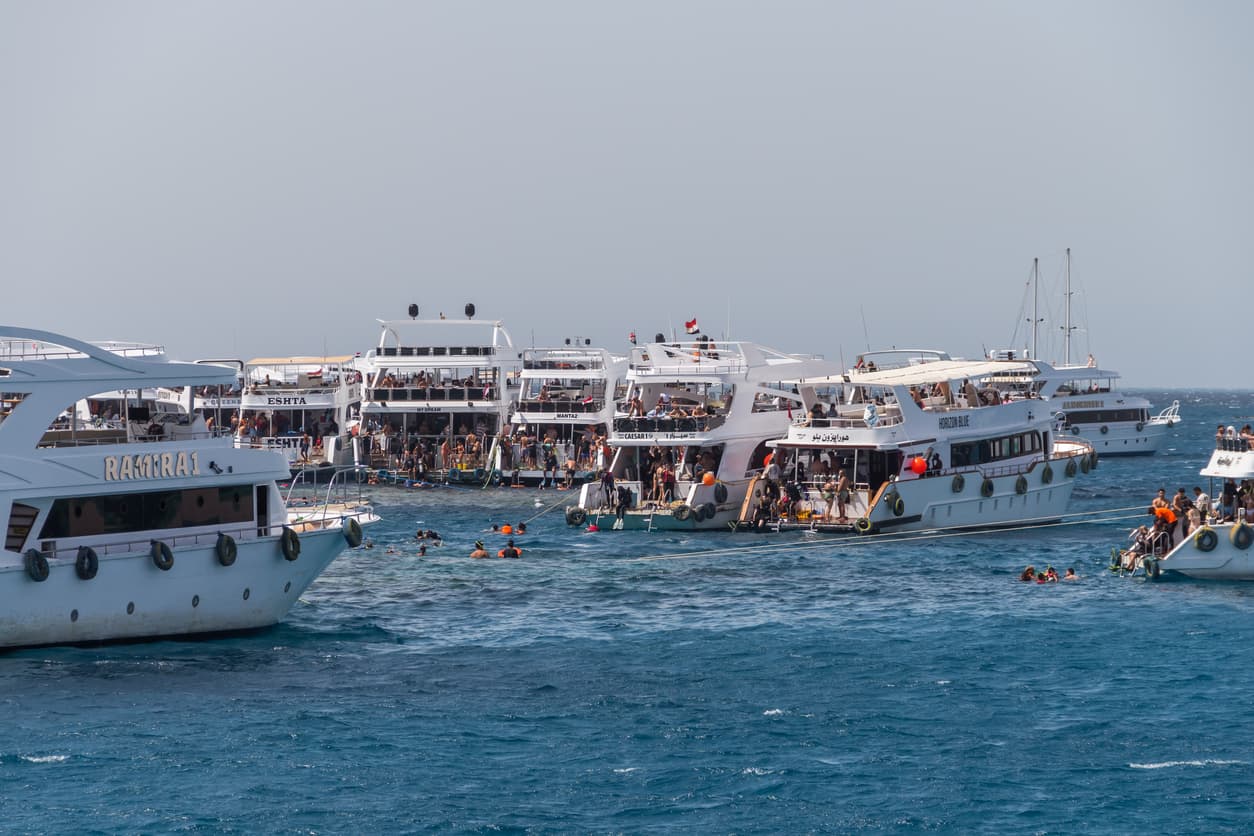
Tiran Island requires boat access via Sharm El Sheikh diving centers offering day trips. Morning departures capture optimal conditions before wind picks up.
Sharm El Sheikh's easily accessible house reefs provide excellent snorkeling directly from beaches:
Shark's Bay: Despite the name, perfectly safe for snorkeling, featuring healthy coral gardens 50 meters from shore with abundant fish life.
Na'ama Bay: Multiple beach entry points along the main tourist strip, though reef condition varies—Camel Dive Club and Hilton areas offer best coral.
These sites suit beginners and families, with shallow reefs (2-6 meters) and calm conditions.
Dahab, a laid-back Sinai town north of Sharm El Sheikh, offers some of Egypt's most unique snorkeling experiences combining beach access with dramatic underwater topography.
The Blue Hole stands among the best snorkeling sites in Red Sea Egypt, though better known for diving. This natural sinkhole dropping 130 meters creates spectacular snorkeling:
Shallow Reef: The reef edge in 2-6 meters depth features pristine hard and soft corals with countless reef fish.
The Arch: While the famous underwater arch requires technical diving, snorkelers enjoy the dramatic drop-off view and pelagic fish schools.
Marine Life: Emperor angelfish, parrotfish, lionfish, and occasional turtles frequent the Blue Hole's shallow sections.
Located 15 kilometers north of Dahab, accessible by taxi. Strong currents require experienced snorkelers.
Three Pools ranks among the best snorkeling sites in Red Sea for shore access, located just north of Dahab. Natural lagoons connected by shallow channels create three distinct snorkeling areas:
Diverse Habitats: Coral gardens, sandy bottoms, and rocky formations host varied marine life.
Beginner-Friendly: Shallow depths (1-4 meters) and calm conditions perfect for novice snorkelers.
Fish Diversity: Butterflyfish, angelfish, groupers, and damselfish populate the pools.
Accessibility: Walk directly from Dahab, no boat required.
The Canyon offers advanced snorkeling with dramatic underwater cliffs, while Eel Garden provides gentler experiences:
Eel Garden: Garden eels swaying from sandy bottom, surrounded by coral pinnacles attracting reef fish.
The Canyon: Shore-accessible but requires good swimming ability; narrow underwater canyon with stunning coral walls.
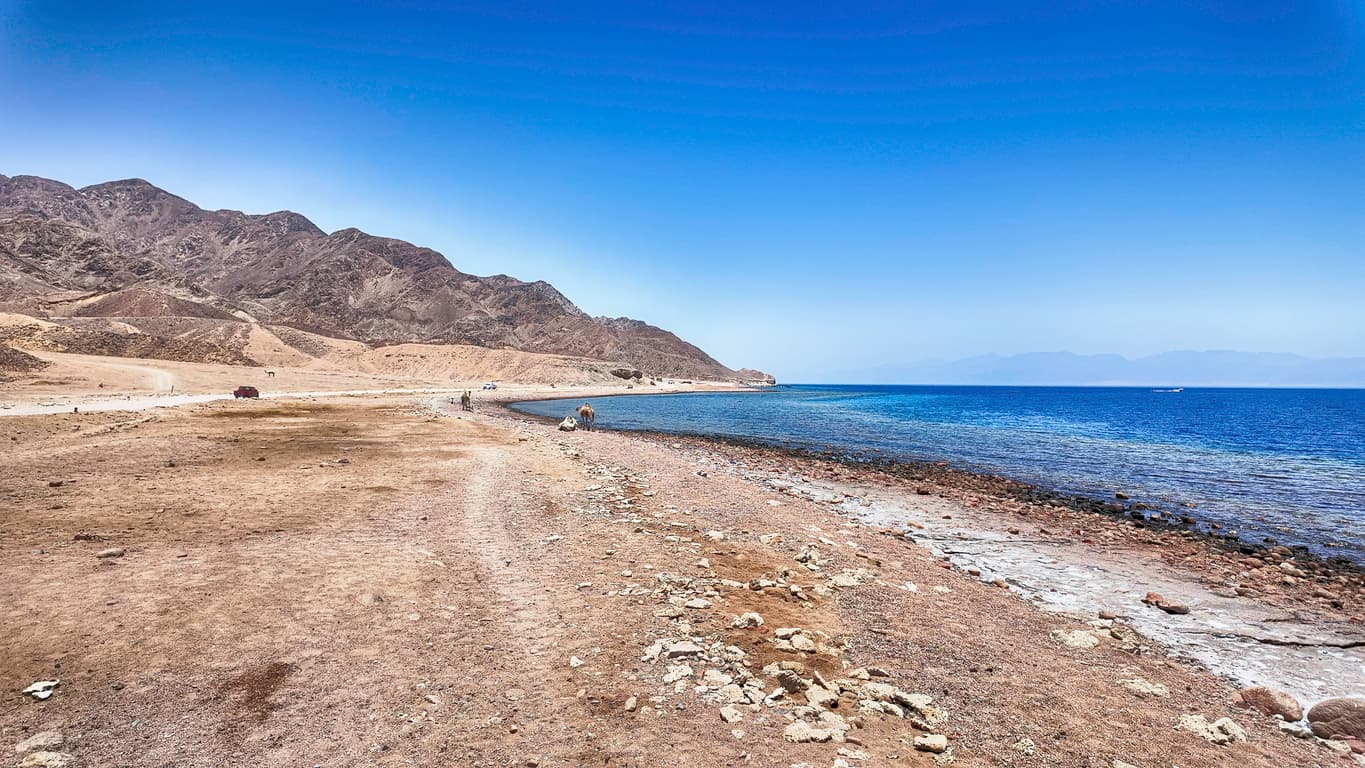
Hurghada, Egypt's oldest Red Sea resort, provides accessible snorkeling from numerous beach and boat destinations.
Giftun Island National Park, 45 minutes by boat from Hurghada, hosts pristine reefs among the best snorkeling sites in Red Sea:
Orange Bay: White sand beach with vibrant coral gardens just offshore, featuring parrotfish, triggerfish, and anemones with clownfish.
Giftun House Reef: Dramatic coral formations with swim-throughs, caves, and walls dropping to 20+ meters, though best snorkeling in 3-10 meter shallows.
Marine Encounters: Regular dolphin sightings, occasional dugong (sea cow) appearances, and abundant sea turtles.
Daily boat trips from Hurghada hotels include lunch, equipment, and multiple snorkel stops.
Mahmya Beach on Giftun Island offers protected shallow lagoons perfect for families:
Calm Waters: Natural bay provides sheltered snorkeling even on windy days.
Coral Gardens: Healthy corals in 2-5 meters attract colorful reef fish.
Facilities: Beach loungers, restaurant, and rental equipment available.
Several Hurghada hotels maintain private house reefs offering shore snorkeling:
Makadi Bay: Hotels along Makadi Bay feature accessible reefs with good coral coverage.
Sahl Hasheesh: Premium resort area with protected reefs and marine life sanctuaries.
Quality varies significantly—research hotel house reef conditions before booking.
Marsa Alam, southern Egypt's remote Red Sea destination, hosts pristine reefs ranking among the absolute best snorkeling sites in Red Sea.
Abu Dabbab Bay claims fame as Egypt's most reliable location for snorkeling with sea turtles and dugongs:
Turtle Encounters: Green sea turtles graze seagrass beds in 2-5 meters depth—sightings almost guaranteed.
Dugong Habitat: One of few reliable dugong (sea cow) locations worldwide, though sightings require patience and luck.
Healthy Reefs: Coral gardens on bay's northern edge host Napoleon wrasse, groupers, and colorful reef fish.
Accessibility: Beach entry directly from shore, suitable for all levels.
Located 30 kilometers north of Marsa Alam, accessible by taxi or organized tours.
Similar to Abu Dabbab, Marsa Mubarak offers sheltered bay snorkeling with excellent turtle encounters:
Three Turtle Species: Green, hawksbill, and occasional loggerhead turtles frequent the bay.
Seagrass Meadows: Essential turtle feeding habitat also attracts rays and juvenile fish.
Coral Reef: Bay's edges feature healthy coral formations with diverse fish populations.
While primarily a diving destination requiring boats, Elphinstone Reef's shallow plateau offers advanced snorkeling among the best snorkeling sites in Red Sea:
Remote Location: 12 kilometers offshore from Marsa Alam ensures pristine conditions.
Pelagic Encounters: Oceanic whitetip sharks, dolphins, and large pelagic fish frequent the reef.
Advanced Only: Strong currents and offshore location require excellent swimming ability.
Boat trips from Marsa Alam diving centers; expensive but unforgettable for experienced snorkelers.

Safaga, north of Marsa Alam, offers quieter alternatives to Hurghada:
Panorama Reef: Accessible house reef with good coral coverage and diverse fish life.
Salem Express Wreck: Shallow wreck suitable for experienced snorkelers (controversial site—research before visiting).
Soma Bay
Soma Bay peninsula near Safaga features protected house reefs:
Sheltered Lagoons: Calm conditions year-round, ideal for beginners.
Healthy Corals: Well-maintained resort reefs with regular marine life.
Northern Sinai destinations offer less-visited reefs:
Fjord Bay (Taba): Dramatic underwater canyon with excellent snorkeling.
Nuweiba Reefs: Quieter sites with good coral gardens and fish diversity.
The best snorkeling sites in Red Sea host incredible biodiversity:
Coral Species: Hard corals (brain, table, staghorn) and soft corals (leather, dendronephthya) create underwater gardens.
Tropical Fish: Parrotfish, butterflyfish, angelfish, surgeonfish, triggerfish, pufferfish, clownfish in anemones.
Large Marine Animals: Green and hawksbill sea turtles, dugongs (rare), dolphins (spinner and bottlenose), reef sharks (usually harmless whitetip and blacktip).
Unusual Species: Blue-spotted rays, moray eels, octopus, lionfish, Napoleon wrasse, giant groupers.
Macro Life: Nudibranchs, seahorses (rare), shrimp, crabs, and countless invertebrates.
The Red Sea offers year-round snorkeling, but timing affects conditions:
Optimal Seasons (March-May, September-November):
Summer (June-August):
Winter (December-February):
March-May and September-November provide ideal conditions for exploring the best snorkeling sites in Red Sea.
Reef Protection: Never touch, stand on, or damage coral—besides ecological harm, many corals cause painful stings or cuts.
Marine Life Respect: Observe turtles and dolphins from distance (3+ meters); never chase or touch marine animals.
Currents: Some best snorkeling sites in Red Sea experience strong currents—assess conditions before entering water.
Sun Protection: Reef-safe sunscreen essential—regular sunscreen damages coral; wear rash guards for extended sessions.
Buddy System: Always snorkel with partner, especially at remote sites.
Mask and Snorkel: Rental available everywhere, but personal equipment ensures proper fit.
Fins: Essential for strong currents; adjustable fins accommodate water shoes.
Rash Guard or Wetsuit: Sun protection and warmth; shorty wetsuits sufficient for most seasons.
Underwater Camera: Waterproof cameras or phone cases capture Red Sea's beauty.
Day Trips: Organized tours from Sharm El Sheikh, Hurghada, and Marsa Alam include equipment, lunch, and multiple sites.
Dive Centers: Even non-divers can book snorkeling trips through dive centers, often accessing better sites than tourist boats.
Private Tours: Smaller groups and flexible itineraries available through specialized operators.
Equipment Quality: Verify mask and fin quality before departing—poor equipment ruins experiences.
Most travelers combine Red Sea snorkeling with cultural Egypt experiences:
Popular Combinations:
Many Egypt tour packages include 3-5 day Red Sea extensions, allowing cultural exploration followed by underwater adventures.
Q1: What are the best snorkeling sites in the Red Sea?
Top sites include Ras Mohamed and Tiran Island (Sharm El Sheikh), Blue Hole (Dahab), Abu Dabbab Bay (Marsa Alam), and Giftun Island (Hurghada). Sharm offers variety, Dahab is great for shore access, Hurghada is family-friendly, and Marsa Alam is remote and pristine. Plan 3–5 days to explore multiple sites.
Q2: When is the best time for snorkeling in the Red Sea?
Visit March–May or September–November for comfortable air (25–32°C) and water (24–27°C), calm seas, and excellent visibility. Year-round snorkeling is possible, but summer is very hot and winter can be windier with cooler water.
Q3: Which Red Sea destination is best for snorkeling?
Sharm El Sheikh for variety, Marsa Alam for remote reefs and turtles, Dahab for shore-accessible sites, and Hurghada for family-friendly, budget-friendly options. All destinations offer world-class snorkeling.
Q4: What marine life will I see snorkeling?
Expect over 1,200 fish species, sea turtles, dolphins, rays, moray eels, octopus, and coral gardens with 200+ coral species. Some sites may also have reef sharks, Napoleon wrasse, or dugongs.
Q5: Do I need tours or can I snorkel from the beach?
Both options work. Shore snorkeling is possible at Dahab, Abu Dabbab, Sharm, and Hurghada house reefs. Premium sites like Ras Mohamed, Tiran, Giftun, and Elphinstone require boat trips, ideally booked through local dive centers or hotels.
Q6: Is snorkeling safe for beginners and families?
Yes! The Red Sea has calm, warm waters, shallow areas, and excellent visibility. Sites like Hurghada, Marsa Alam, Dahab, and Sharm are beginner- and family-friendly. Avoid strong currents until experienced, and always follow safety practices.
Find Related Tours

All Egypt Tours Magazine

Hurghada beyond the resorts offers local markets, family-run restaurants, desert adventures, shore diving, and authentic Red Sea culture.

A complete family travel guide to Egypt with kids, covering pyramids, temples, Nile cruises, Red Sea adventures, and practical tips for a safe, fun, and memorable trip.

Egypt in November offers warm days, cool nights, and ideal travel conditions for sightseeing, Nile cruises, deserts, and Red Sea adventures.
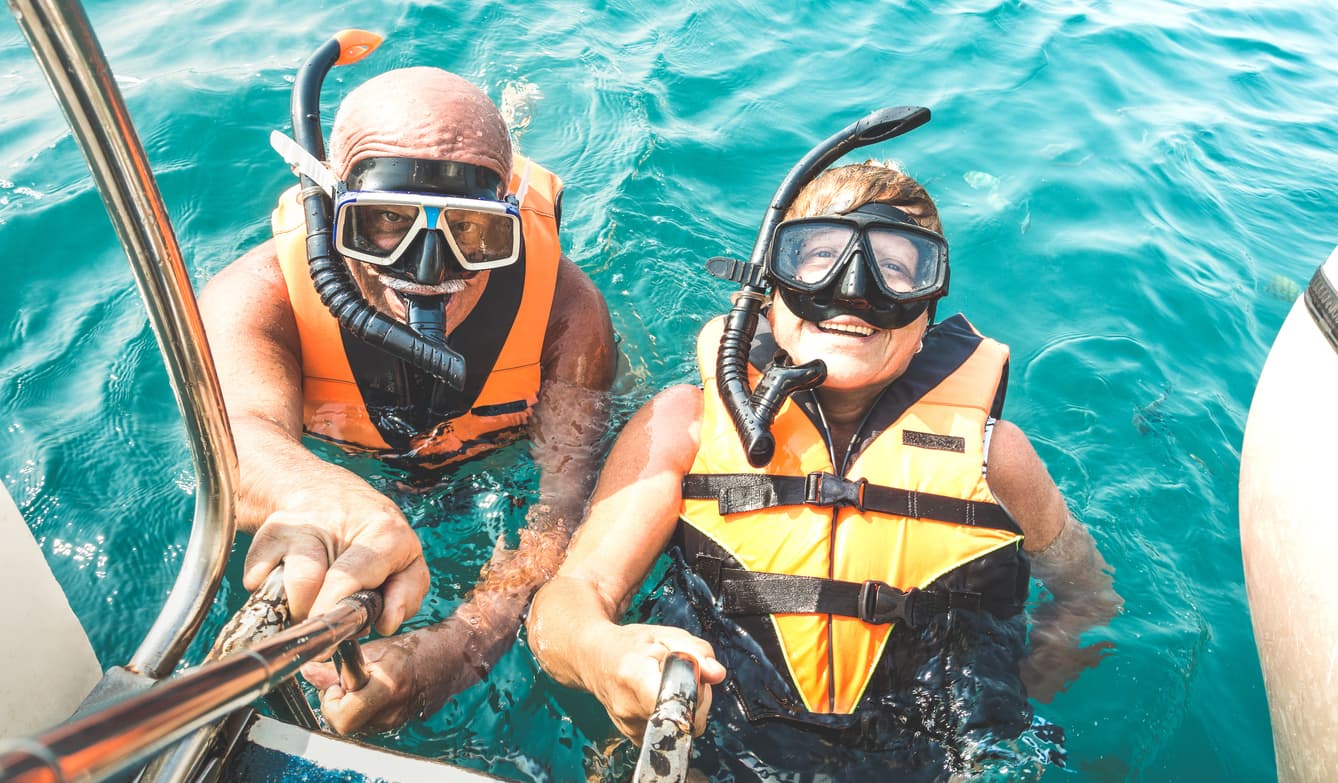
Explore the world's most spectacular coral reefs and discover why the Red Sea offers the planet's best snorkeling experiences
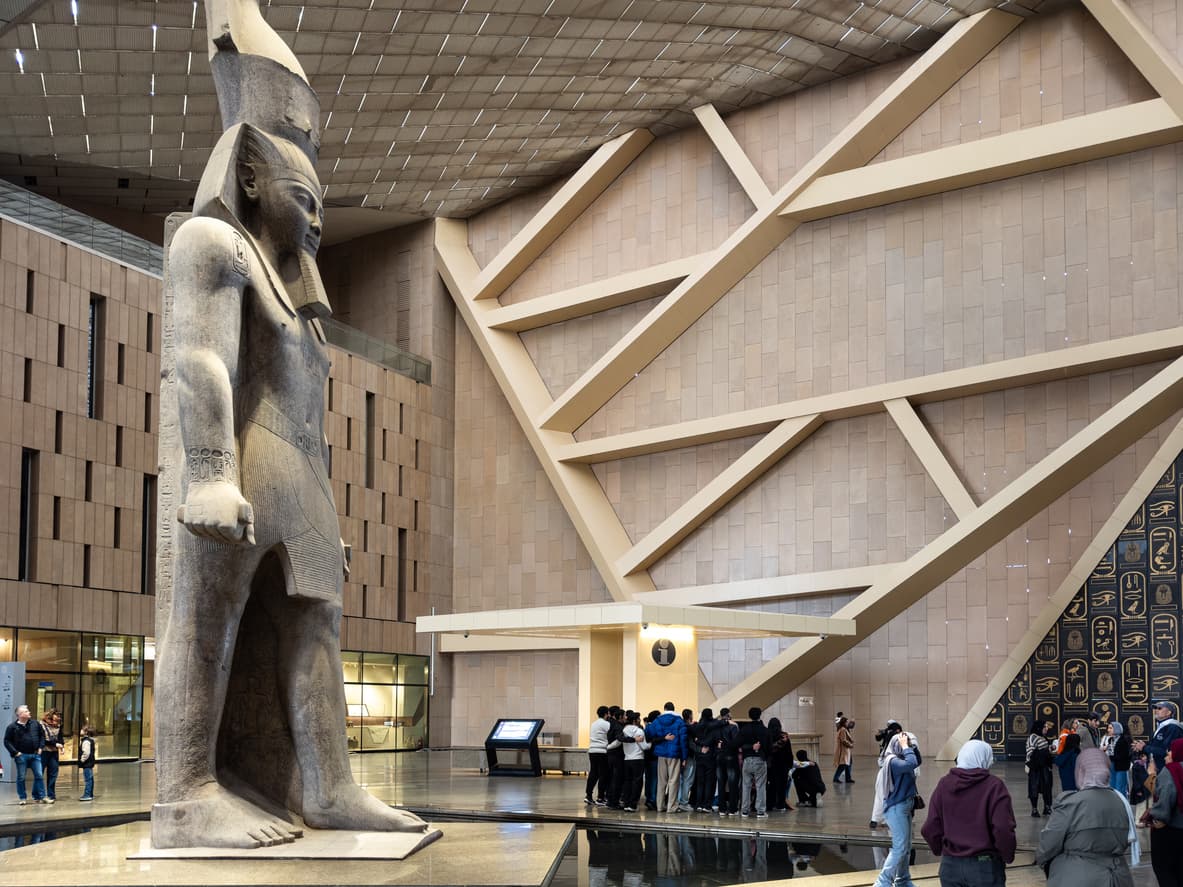
Your ultimate Grand Egyptian Museum Guide: explore highlights, practical advice, and insider tips to make the most of your museum adventure.
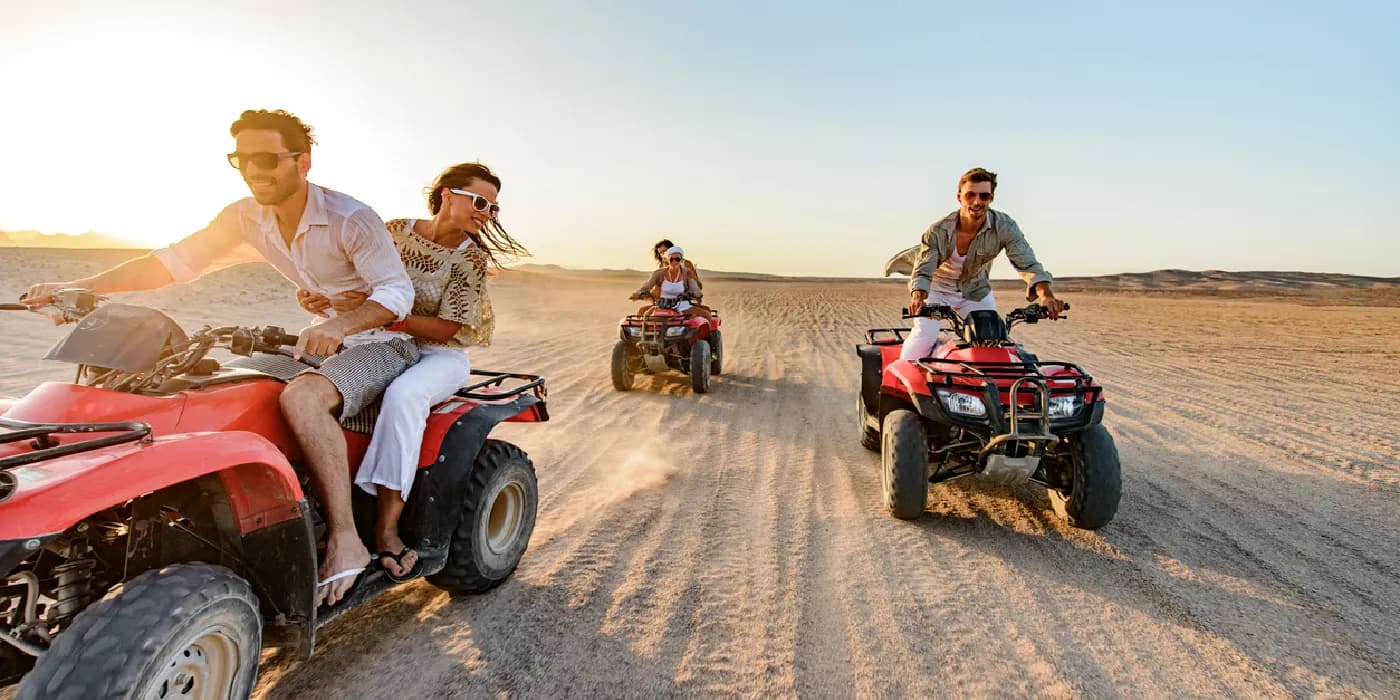
From the White Desert to Siwa Oasis, discover the best Egypt desert adventures, including stargazing, and unforgettable safari experiences.
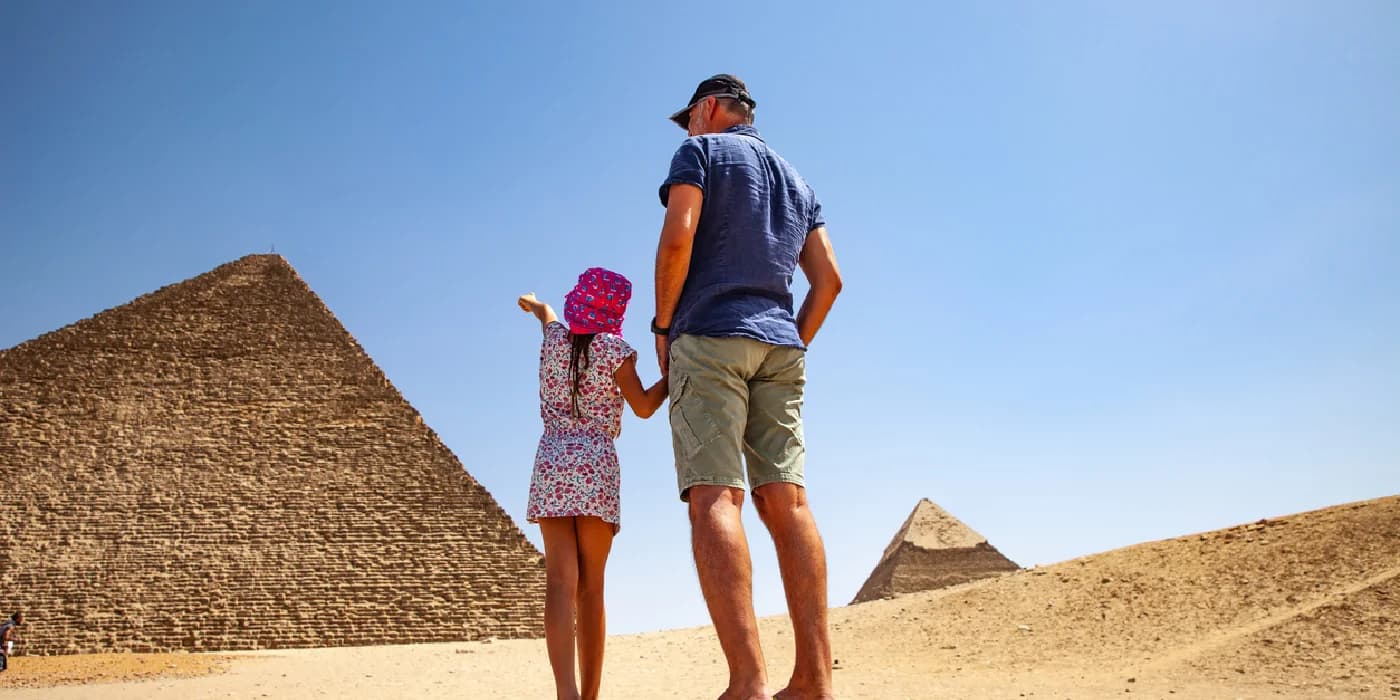
Discover the best places and activities for kids in Egypt, from the pyramids and Nile cruises to Red Sea beaches, and family-friendly experiences.


© Copyright 2026 Go All Egypt Tours. All Rights Reserved.