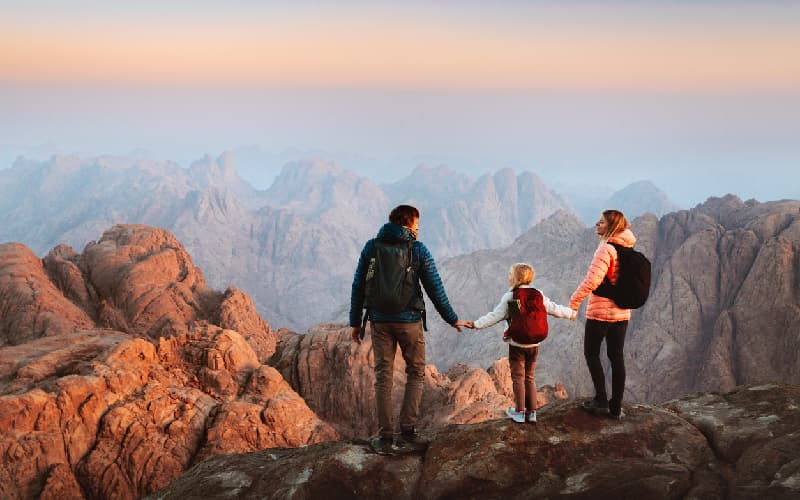
Egypt is a unique family destination where children can step into the world of Ancient Egypt beyond school books. Pyramids, pharaohs, and hieroglyphs become real experiences as families explore iconic sites together. The country also offers strong family-friendly infrastructure, including kid-focused hotels and tours designed for all ages.
A family trip to Egypt goes far beyond resort stays. Families can explore the Great Pyramid, sail the Nile on a felucca, visit world-class museums with real mummies, and snorkel in the Red Sea. This guide covers planning tips, top attractions for kids, and family-friendly travel ideas for an unforgettable Egyptian adventure.
Ancient Egypt turns history into a real-life experience for children. Instead of reading about pharaohs and pyramids, kids stand in front of them, walk inside tombs, and see hieroglyphs carved thousands of years ago. The Great Pyramid and ancient temples help transform school lessons into unforgettable memories.
The Grand Egyptian Museum offers interactive programs for children aged 6–16, combining history, art, and hands-on learning. In the Children’s Museum, kids explore ancient life in a fun, engaging way. Sites like Karnak also act as open-air classrooms where children learn how ancient Egyptians lived and built their civilization.
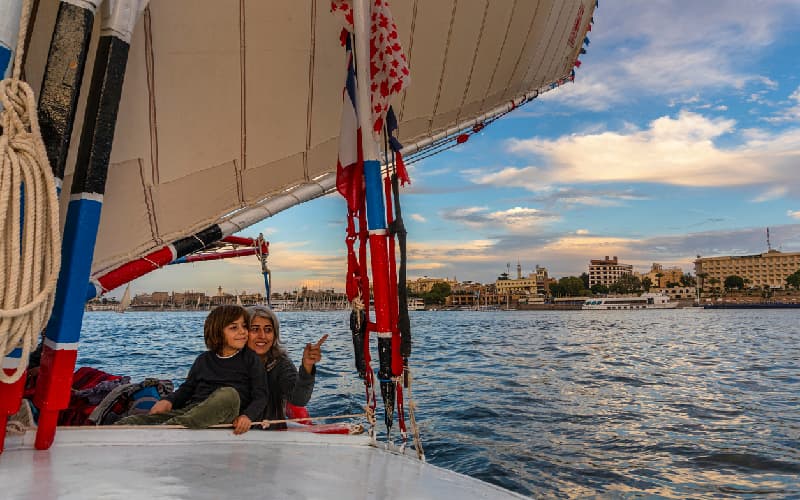
Egypt balances learning with fun. In Cairo, families visit the Pyramids and museum treasures. In Luxor, kids can explore ancient tombs or enjoy hot air balloon rides. Aswan offers Nubian culture and relaxing felucca boat trips, while the Red Sea resorts like Hurghada provide snorkeling and beach activities.
Egypt is well-prepared for families, with kid-friendly tours, private guides, and hotels offering family rooms and children’s facilities. Many tours are designed to keep both parents and kids comfortable and engaged throughout the trip.
Egypt is best for children aged 6–7 and above, when they can understand and enjoy historical sites. Museums and tours offer special programs for this age group, while younger kids may need shorter visits and more breaks.
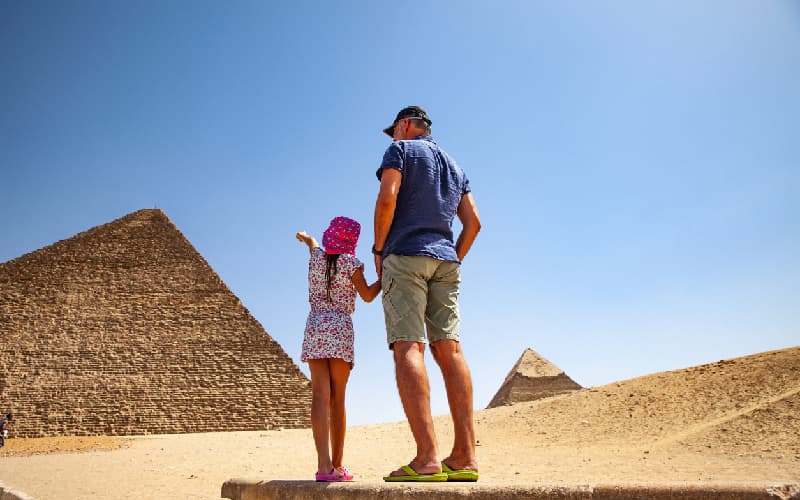
October through April represents the optimal travel period for families visiting Egypt, with temperatures maintaining a comfortable 20-28°C range that facilitates extensive outdoor exploration of pyramids and temples. This timeframe aligns strategically with UK school holiday periods, including October half-term, Christmas, and Easter breaks. Summer months spanning May through September present challenging conditions with temperatures frequently exceeding 40°C in Luxor and Aswan, rendering these periods unsuitable for young travelers except when focusing exclusively on coastal Red Sea destinations. Shoulder seasons during March through May and September to early November deliver additional advantages including pleasant weather conditions, reduced tourist congestion, and hotel pricing reductions of 30-50%.
When Is the Best Time to Visit?
Egypt maintains stable security conditions with restructured tourist police forces positioned at major archaeological sites and tourist destinations. Families should exclusively use bottled water for drinking and dental hygiene, as local tap water contains chlorine levels that frequently cause digestive upset in children. Essential packing items include comprehensive travel insurance coverage, SPF 50 sunscreen formulations, insect repellent containing 20% DEET concentration, and quality hand sanitizer. Outdoor activities require regular sun protection application, scheduling during cooler morning hours, and consistent hydration breaks. Medical professionals recommend Hepatitis A, Typhoid, and current Tetanus-Diphtheria-Polio vaccinations prior to departure.
Professional family tour operators manage comprehensive logistics including pre-arranged transportation networks, overnight sleeper train bookings, and private air-conditioned vehicle services, enabling families to concentrate on cultural experiences rather than navigation challenges. Standard 8-day tour packages range from USD 1,300-1,600 during shoulder seasons, encompassing Cairo, Luxor, and Aswan with domestic flight connections and Nile cruise accommodations. Independent travel provides scheduling flexibility and potential cost savings while requiring significant preparation time, language barrier navigation, and vendor negotiation skills.
Week-long Egyptian family holidays for four people typically range from USD 2,000-5,000 based on accommodation standards and activity selections. Entry-level tour packages begin at USD 470, while premium luxury experiences reach USD 2,500 per person. Local dining costs remain modest with traditional dishes like koshari averaging USD 1, and full restaurant meals ranging USD 5-12 per serving.
Practical packing includes 4-5 sets of lightweight shorts and cotton t-shirts, supplemented by one long-sleeved outfit for mosque visits and cooler evening temperatures. Closed-toe hiking sandals serve 95% of activities, providing walking comfort during extensive site exploration while maintaining easy cleaning capabilities. Female travelers require head scarves for mosque entry, though Egypt's tourist areas maintain less conservative dress expectations than anticipated. Additional essential items include European-style 2-prong power adapters, reusable water bottles, and basic first-aid supplies containing anti-diarrheal medication.
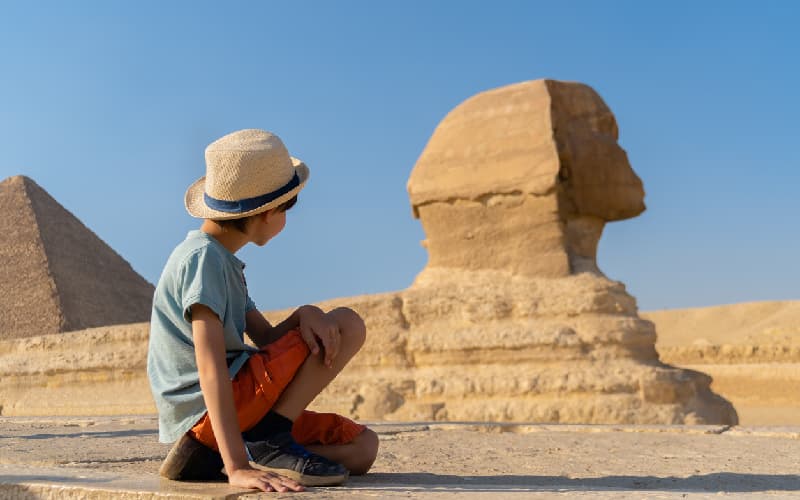
Each region across Egypt presents distinct characteristics that create lasting memories for young travelers, forming the foundation of an educational adventure that extends far beyond typical tourist experiences.
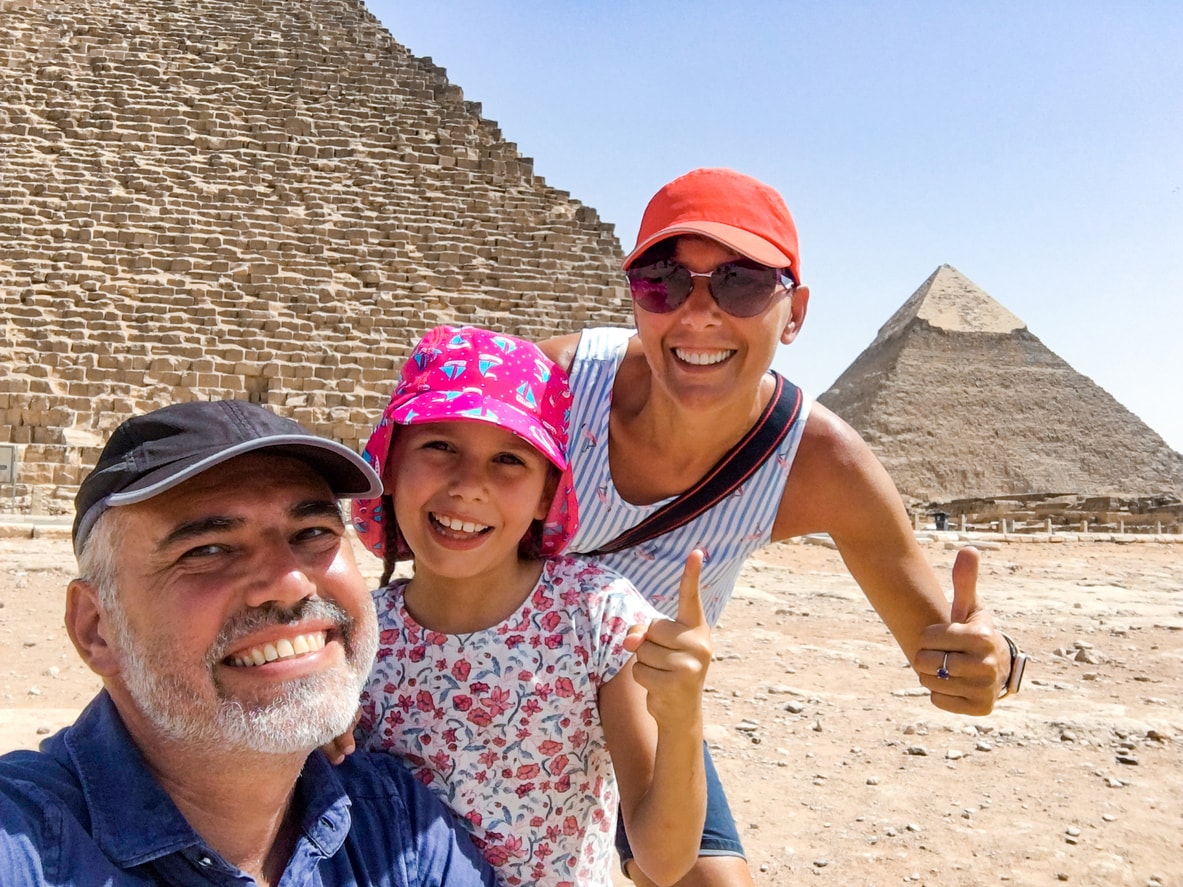
The Giza Pyramids complex operates daily from 7am-4pm, welcoming families with free admission for children under 6 years of age. Within the Grand Egyptian Museum, the dedicated Children's Museum captivates young minds through six carefully designed themes targeting ages 6-18, featuring interactive hieroglyphic decoding stations, authentic mummification demonstrations, and immersive role-playing environments where children experience life as ancient pharaohs through chariot driving and royal dining ceremonies. The renowned Egyptian Museum showcases more than 120,000 artifacts, including the magnificent golden burial mask of Tutankhamun, while the ancient Saqqara site provides a more tranquil alternative to Giza's crowds, centered around the remarkable Step Pyramid of Djoser.
Dawn hot air balloon excursions over the legendary Valley of Kings commence between 3:30-4:00am, offering 45-minute aerial journeys priced at USD 60-100 per participant. Safety regulations require children to reach minimum age of 6 years before participating in these spectacular flights. The magnificent Karnak Temple complex astounds visitors with its Great Hypostyle Hall, featuring an forest of 134 towering columns, while Valley of Kings admission tickets provide access to three carefully selected royal tombs.
Traditional felucca sailboats facilitate intimate two-hour Nile excursions, where experienced local guides share captivating tales of pharaohs and ancient civilizations that once flourished along these waters. Vibrant Nubian villages showcase distinctively painted houses in brilliant colors, where visiting families participate in authentic bread-baking workshops alongside local families and explore time-honored craft traditions passed down through generations.
Multi-day cruises spanning four to five days between Luxor and Aswan feature purpose-built family accommodations including spacious suites, dedicated swimming pools, and supervised kids' clubs. These floating hotels provide interconnected family rooms, convenient mini-refrigerators for snack storage, and private balcony cabins where children observe traditional fishermen and grazing water buffalo along the riverbanks.
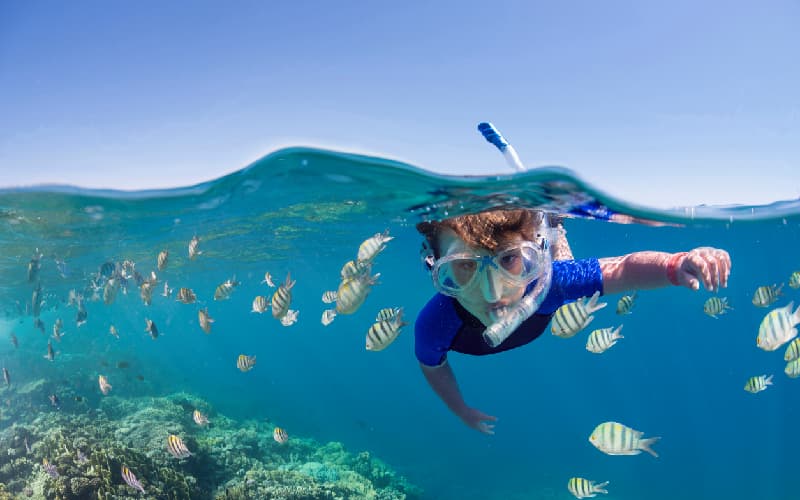
Sharm el-Sheik's premier snorkeling destination, Ras Mohammed National Park, requires private guide supervision for children aged 12 and under to ensure safety among the coral reefs. The popular Liberty Catamaran excursions cost USD 120 per adult-child pair. Hurghada distinguishes itself through family-oriented beaches featuring gentle, shallow waters, expansive water park facilities, and an exceptional climate delivering 300 sun-filled days annually.
Saqqara Necropolis, positioned 20 miles south of Cairo, offers families a more intimate archaeological experience compared to Giza's bustling crowds, while presenting remarkably preserved stepped pyramids within Egypt's most extensive archaeological site.
Successful family expeditions to Egypt extend beyond careful preparation—they flourish through informed decision-making and cultural awareness once you arrive in this ancient land.
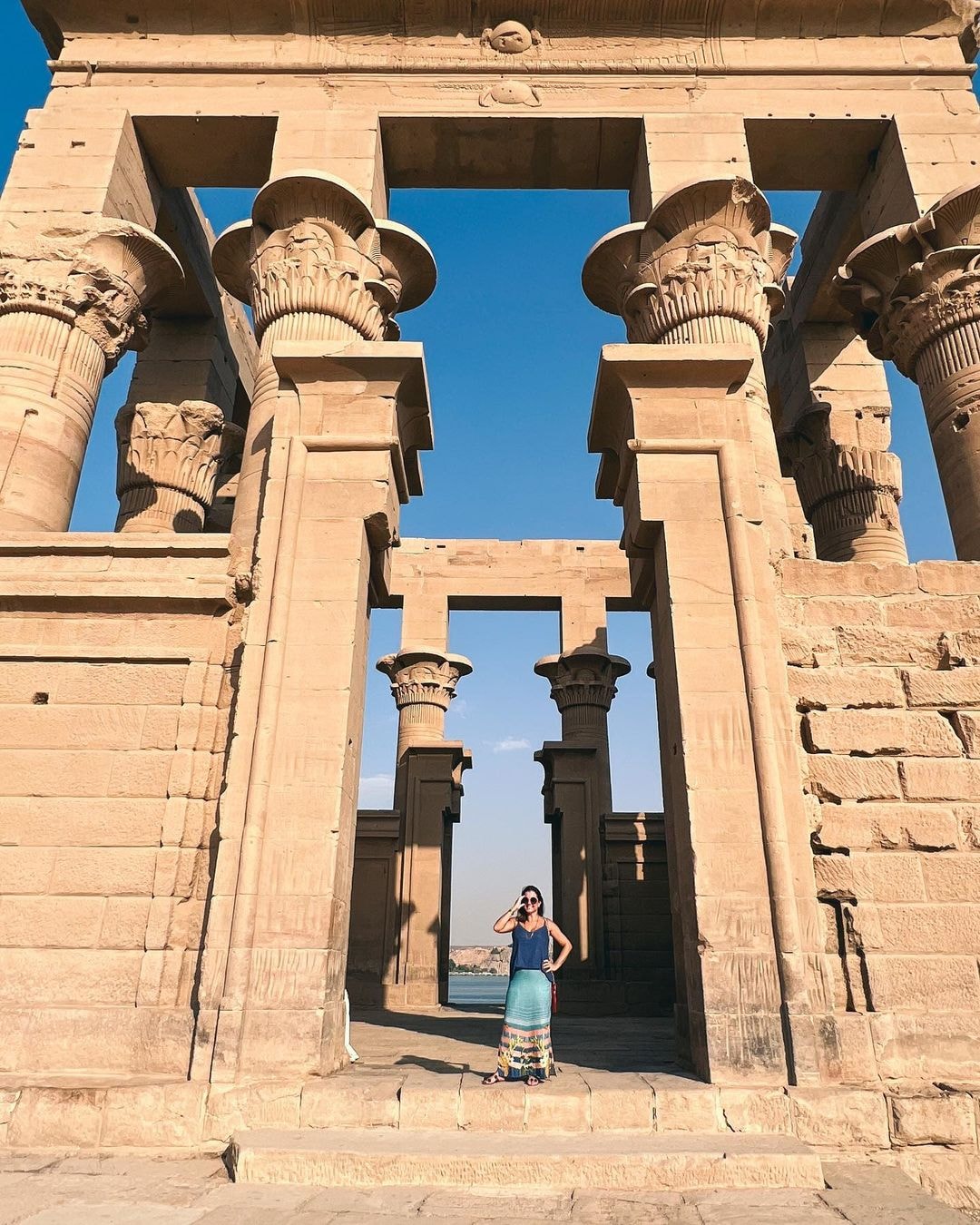
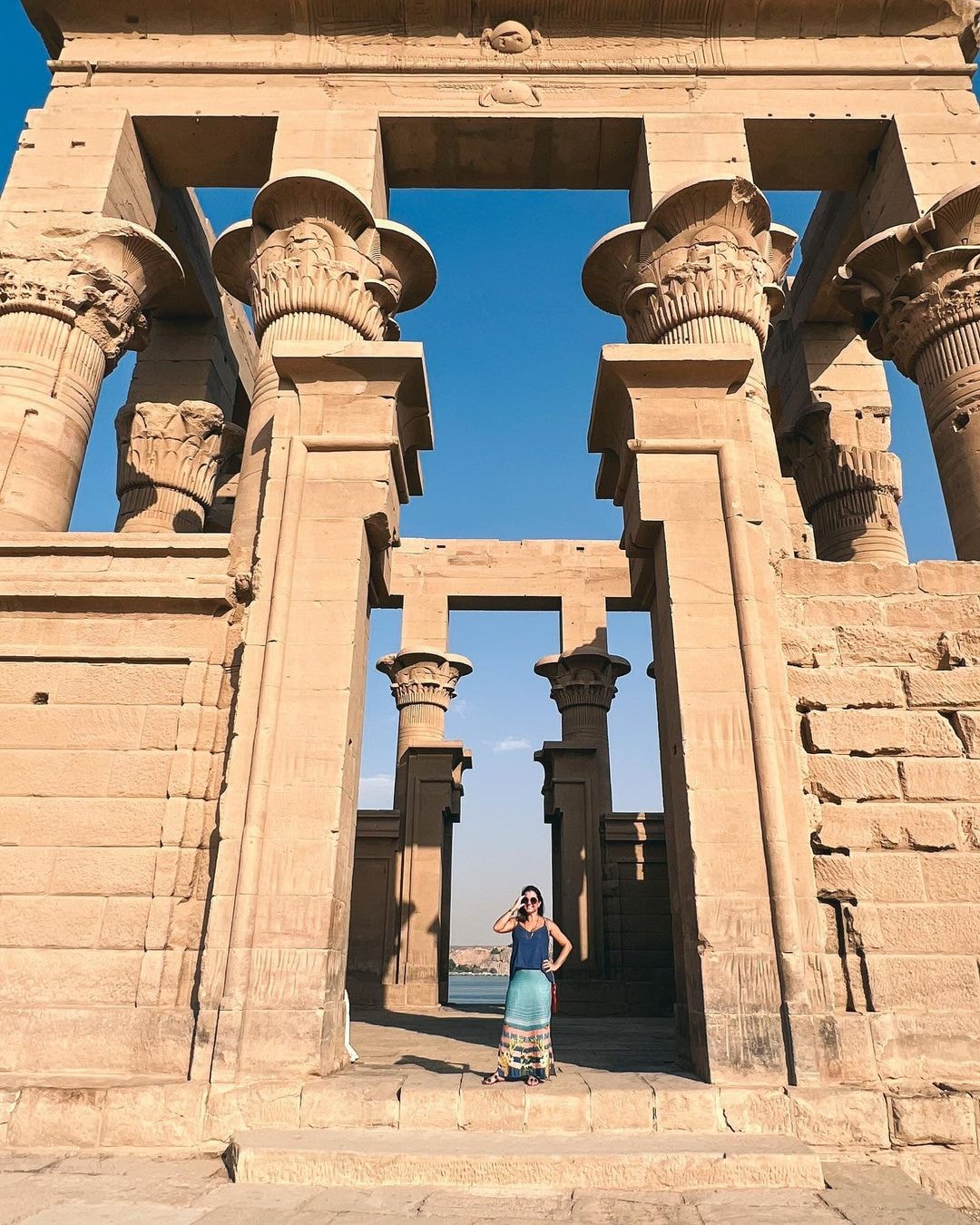
Cairo serves as your gateway during days one and two, where families explore the Giza Pyramids, Egyptian Museum, and the bustling Khan el-Khalili bazaar. Day three begins your southward journey with a flight to Luxor for Karnak Temple exploration, followed by day four's early morning venture into the Valley of Kings and Hatshepsut Temple, concluded with peaceful felucca sailing. The fifth and sixth days unfold aboard a Nile cruise, featuring temple discoveries at Edfu and Kom Ombo while traveling toward Aswan. Your final day encompasses Philae Temple visits and the optional Abu Simbel excursion before departure.
Ancient temples become interactive learning spaces when children search for specific hieroglyphic symbols during organized treasure hunts. Evening preparation proves invaluable—watching educational videos about pyramid construction and ancient security systems transforms the following day's exploration into a captivating adventure for young minds. Museums featuring child-friendly exhibits and interpretive displays eliminate the need for lengthy explanations while maintaining historical accuracy and educational depth.
Egyptian hospitality centers around abundant family-style meals where expressing genuine appreciation for your hosts' generosity demonstrates cultural respect. Traditional etiquette requires passing dishes with your right hand, as the majority of Egyptians consider the left hand inappropriate for food service. Child-friendly staples include koshari, falafel, and grilled chicken, while familiar fruits such as dates, grapes, and oranges provide comfortable snacking options throughout your journey.
Outdoor exploration works best during morning hours before 10am and late afternoon sessions after 4pm when desert temperatures moderate.
Consistent hydration remains essential regardless of thirst levels, while light-colored clothing and cooling wipes provide immediate relief during warmer periods. Peak temperature hours between 10am and 4pm call for indoor activities—museum visits, hotel pool time, or air-conditioned restaurant breaks—until the sun's intensity diminishes.
Local interactions begin with the traditional greeting "As-salaam alaykum," which most Egyptians appreciate when spoken by international visitors.
Photography requires permission, particularly when capturing images of local residents, women, and children. Restaurant service includes customary baksheesh tipping of 10-15%, reflecting Egypt's established hospitality traditions. Religious site visits demand modest dress codes with covered shoulders and knees for all family members, including children.
Egyptian family travel blends education and adventure in a way few destinations can match. From the pyramids to the Valley of the Kings, children experience ancient history firsthand, turning what they learn in school into real, lasting memories.
With good planning, families can balance sightseeing, cultural experiences, and fun activities while making the most of Egypt’s well-developed tourism services.
These experiences go beyond a normal holiday—kids return home with a deeper understanding of history, culture, and the ancient world, creating memories that stay with them for life.
1. Is Egypt a good destination for family travel?
Yes, Egypt is one of the best family destinations, offering pyramids, museums, Nile cruises, and Red Sea activities that combine learning and fun for kids.
2. What is the best age to take kids to Egypt?
Egypt is best for children aged 6–7 and above, as they can enjoy historical sites, guided tours, and interactive museum experiences.
3. Is Egypt safe for families with children?
Yes, tourist areas in Egypt are generally safe, especially when traveling with licensed guides and following basic safety and health precautions.
4. What are the best places in Egypt for kids?
Top family-friendly destinations include Cairo, Luxor, Aswan, Hurghada, and Sharm El Sheikh, each offering unique experiences for children.
5. What activities can kids enjoy in Egypt?
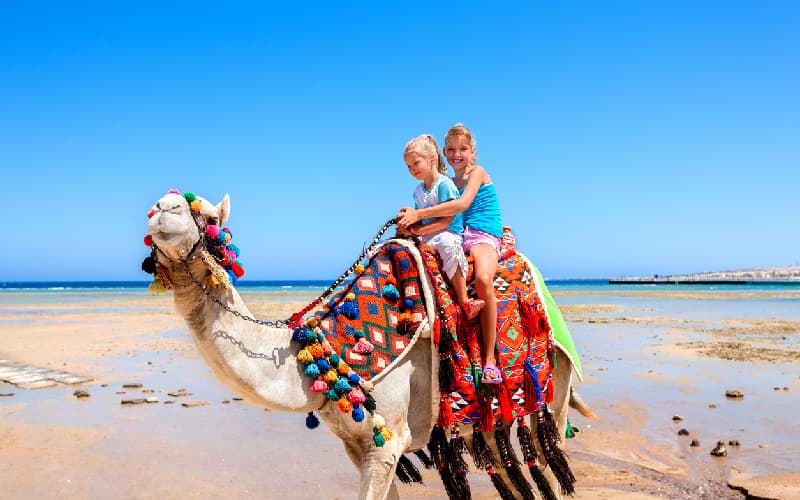
Kids can explore pyramids, ride camels, visit museums, sail the Nile, snorkel in the Red Sea, and enjoy desert safaris.
6. When is the best time to visit Egypt with children?
The best time is from October to April when the weather is mild and ideal for outdoor sightseeing and family activities.
7. Do kids need special vaccinations before traveling to Egypt?
Recommended vaccinations include Hepatitis A, Typhoid, and routine vaccines such as Tetanus-Diphtheria-Polio. Always consult a doctor before travel.
8. Is food in Egypt suitable for children?
Yes, Egyptian cuisine includes many kid-friendly options like grilled chicken, rice dishes, koshari, and fresh fruits.
9. Can families take Nile cruises in Egypt?
Yes, Nile cruises are very popular with families and offer comfortable cabins, meals, swimming pools, and guided sightseeing stops.
10. What should families pack for Egypt?
Light clothing, sunscreen, hats, comfortable shoes, reusable water bottles, and modest outfits for religious sites are essential.
Find Related Tours

All Egypt Tours Magazine

A complete family travel guide to Egypt with kids, covering pyramids, temples, Nile cruises, Red Sea adventures, and practical tips for a safe, fun, and memorable trip.

Egypt in November offers warm days, cool nights, and ideal travel conditions for sightseeing, Nile cruises, deserts, and Red Sea adventures.
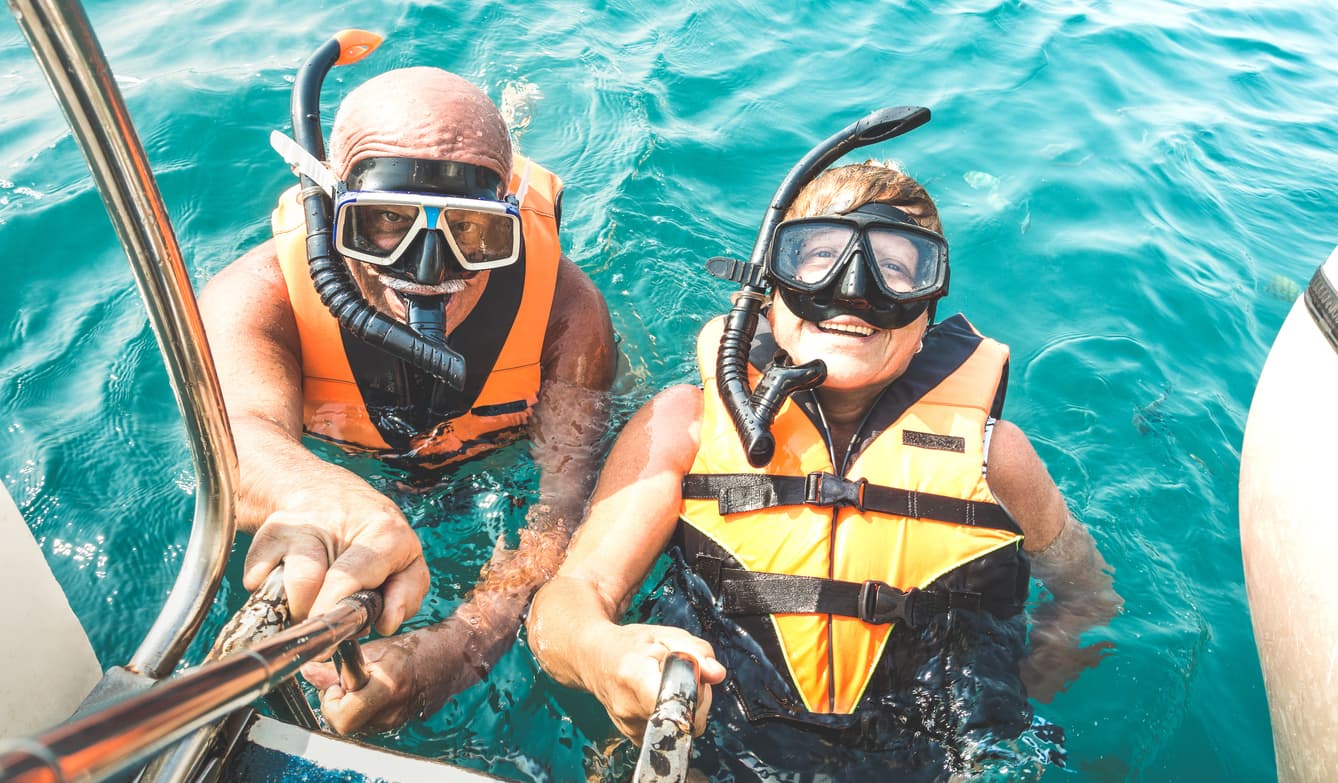
Explore the world's most spectacular coral reefs and discover why the Red Sea offers the planet's best snorkeling experiences
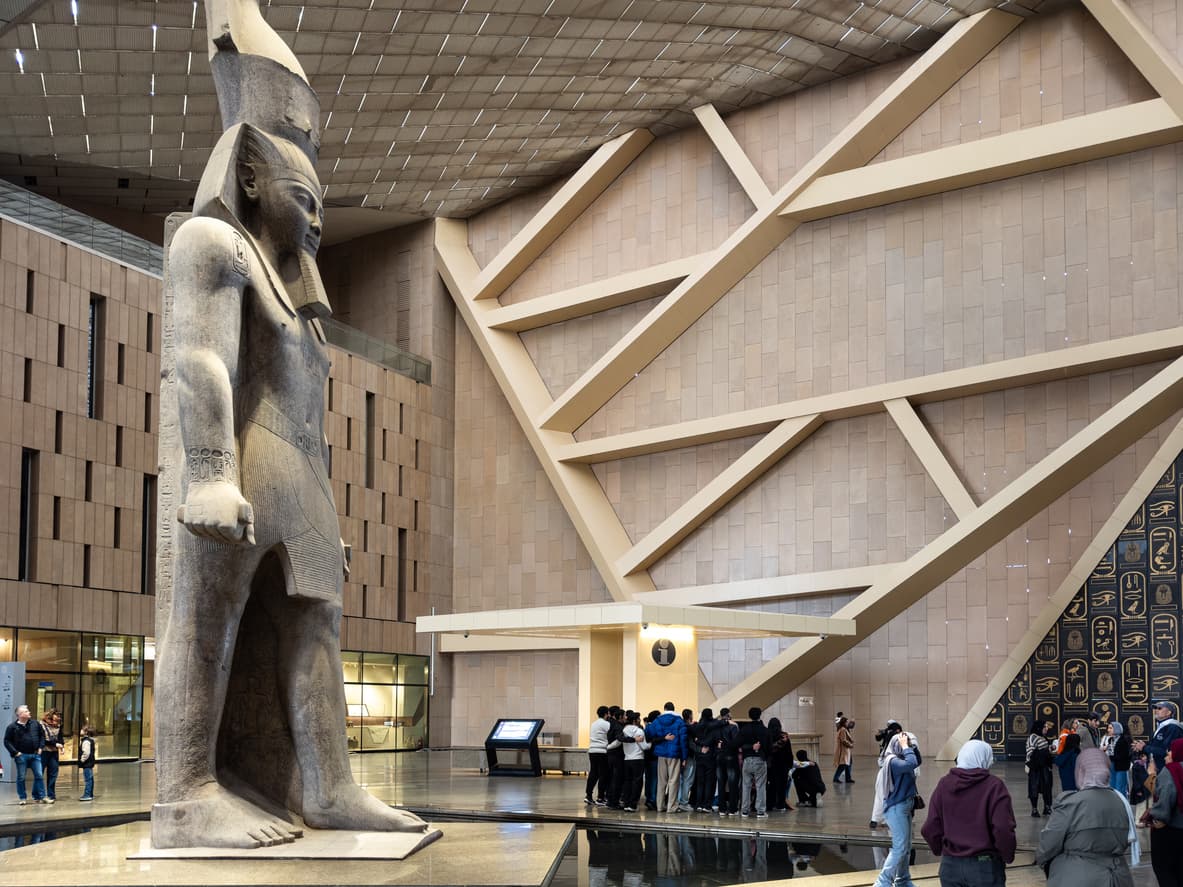
Your ultimate Grand Egyptian Museum Guide: explore highlights, practical advice, and insider tips to make the most of your museum adventure.
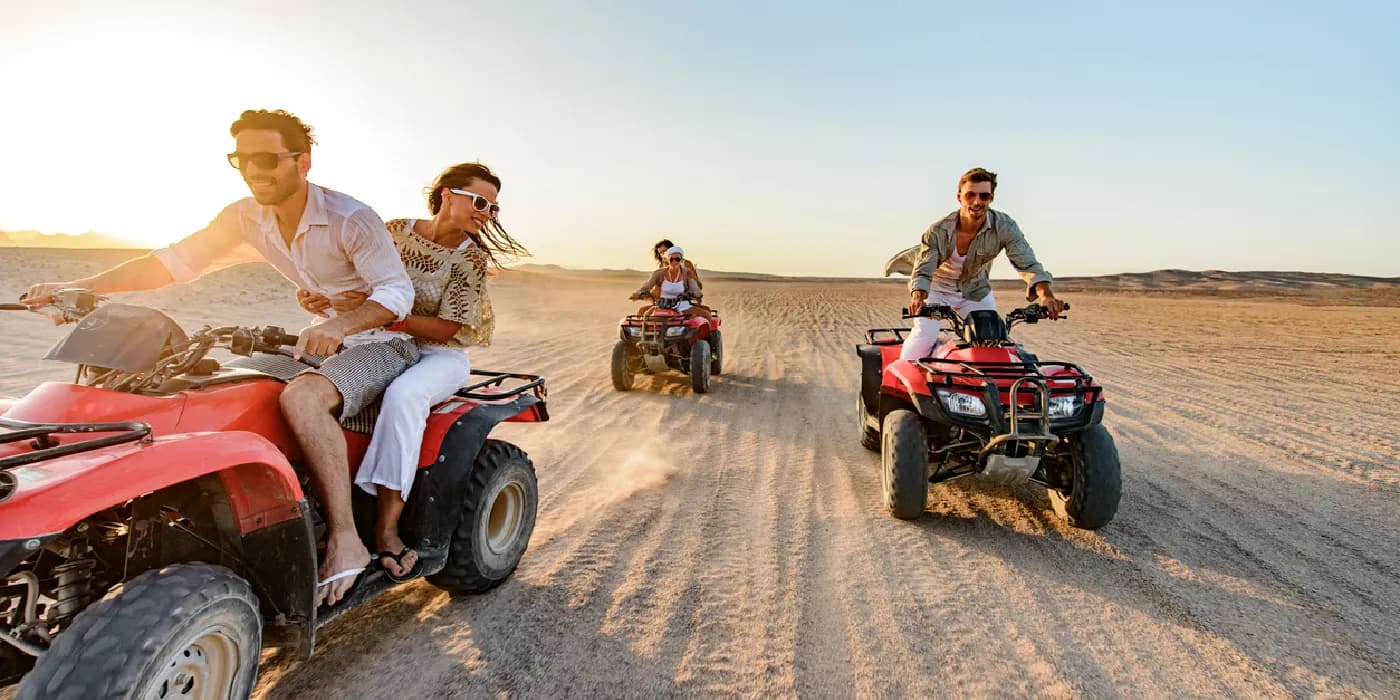
From the White Desert to Siwa Oasis, discover the best Egypt desert adventures, including stargazing, and unforgettable safari experiences.
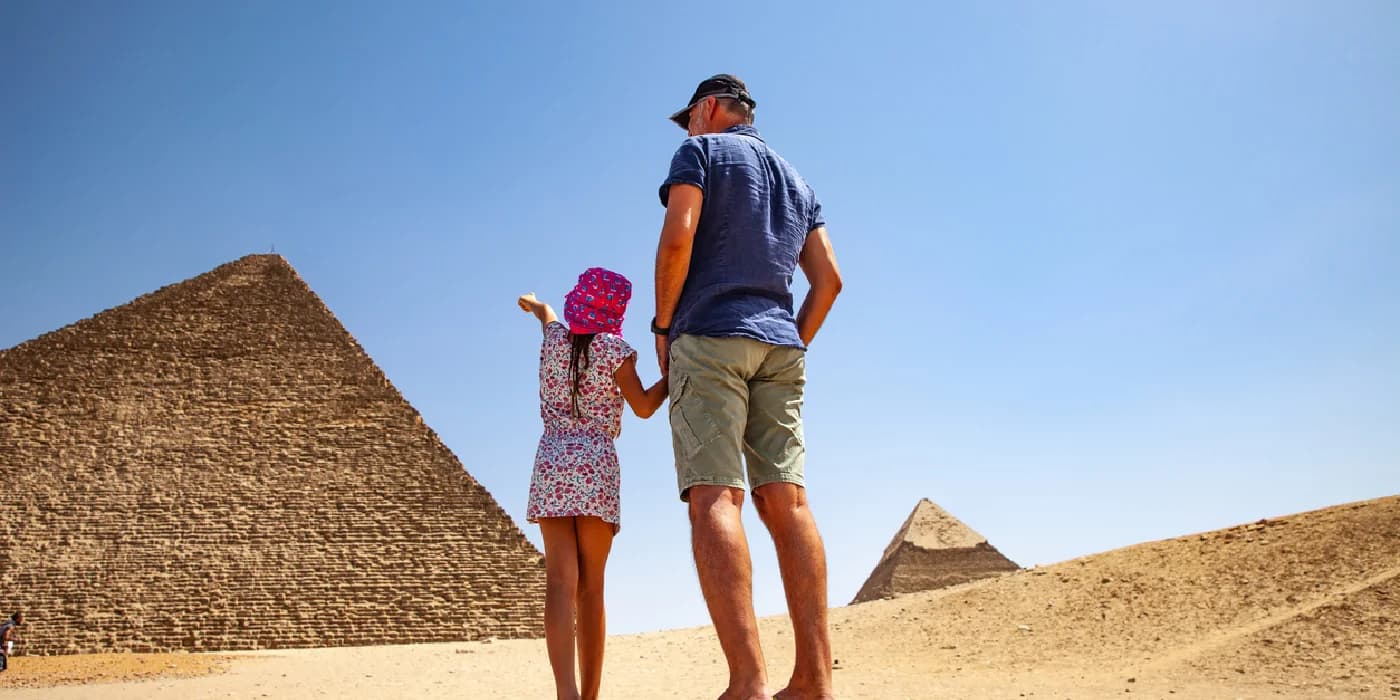
Discover the best places and activities for kids in Egypt, from the pyramids and Nile cruises to Red Sea beaches, and family-friendly experiences.
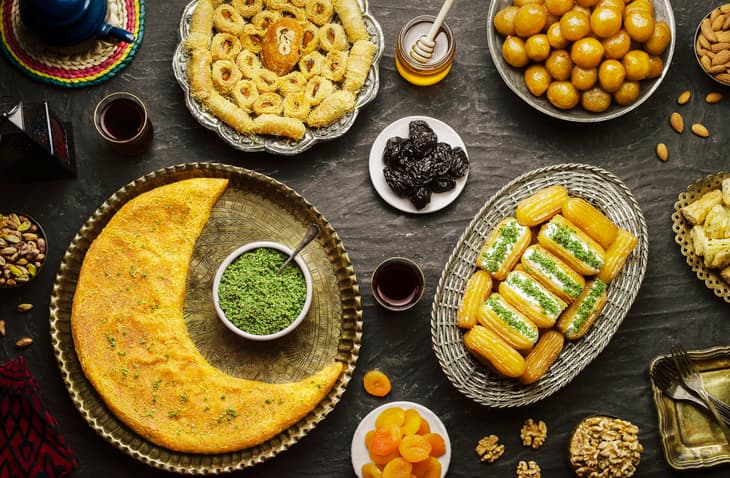
Explore traditional Egyptian desserts with this complete guide. Discover basbousa, kunafa, om ali & more sweet treats that make Egypt's cuisine amazing!


© Copyright 2026 Go All Egypt Tours. All Rights Reserved.