
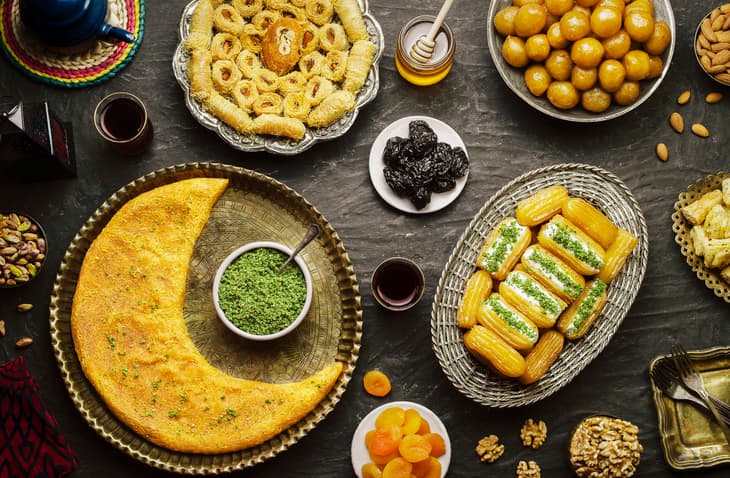
Let me tell you something about Egyptian desserts: they're not just sweet—they're an EXPERIENCE. We're talking about treats so indulgent, so perfectly balanced between crispy and syrupy, nutty and creamy, that you'll understand why Egyptians celebrate every occasion with sweets.
If you think you know Middle Eastern desserts because you've tried baklava at a Mediterranean restaurant back home, prepare to have your mind (and taste buds) completely blown. Egyptian desserts are in a league of their own, with flavors and textures that reflect thousands of years of culinary tradition mixed with Arab, Ottoman, and Mediterranean influences.
The magic of traditional Egyptian Sweets lies in their ingredients. These components, often simple and locally sourced, are transformed into delightful confections through time-honored techniques. Let's delve into the pantry of an Egyptian kitchen to discover what makes these desserts so extraordinary.
The interplay of these ingredients creates a symphony of flavors and textures that define Egyptian desserts. Whether it's the comforting familiarity of semolina or the exotic allure of rose water, each component plays a pivotal role in crafting these culinary masterpieces.
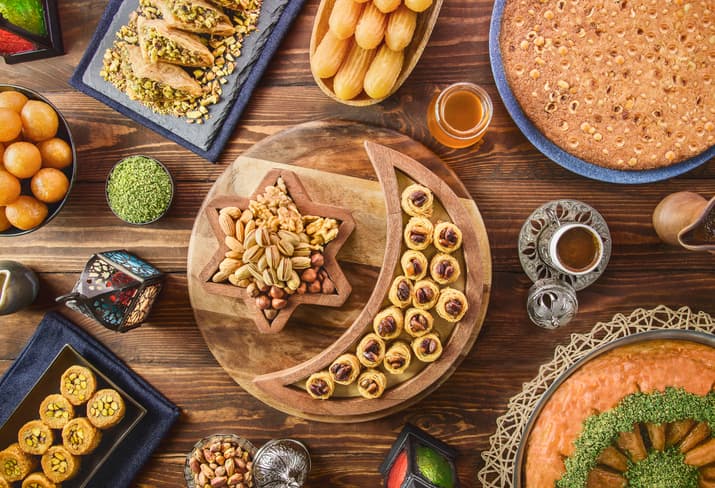
Egyptian desserts offer a diverse array of flavors and textures, each with its own unique charm. Let's explore some of the most popular traditional Egyptian desserts that have captured the hearts of sweet lovers around the world.
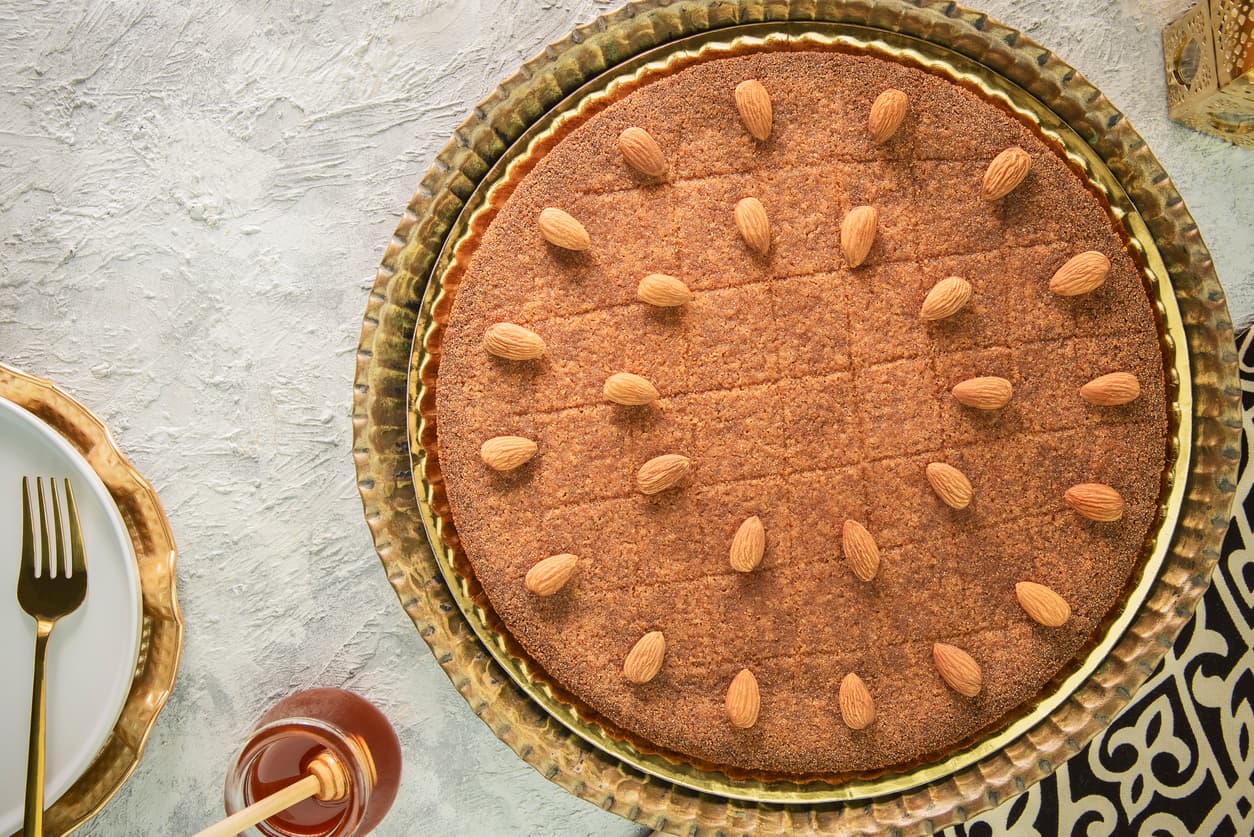
Basbousa is a semolina cake soaked in syrup, often garnished with almonds or coconut. Its moist texture and sweet, nutty flavor make it a favorite at gatherings. The syrup, typically infused with rose or orange blossom water, adds an aromatic depth that complements the richness of the semolina.
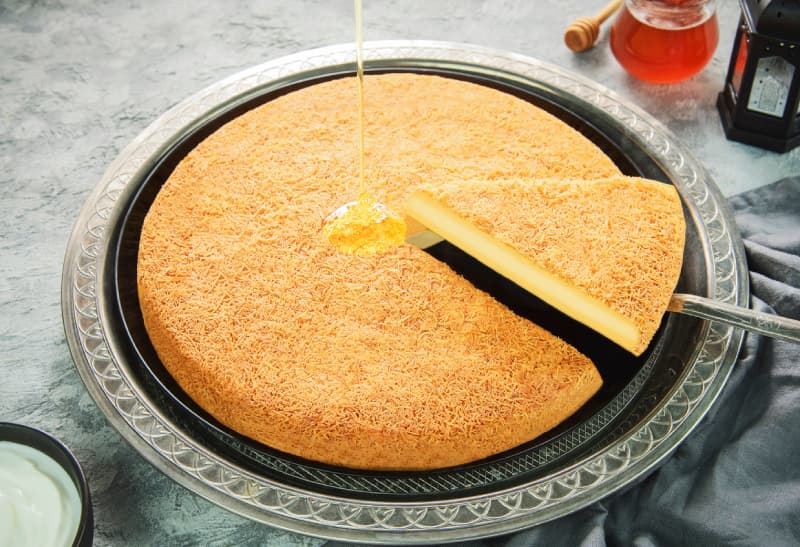
Kunafa is a dessert made from shredded phyllo dough, layered with a creamy filling of cheese or nuts, and soaked in sweet syrup. The contrast of crunchy and creamy elements creates a delightful texture that is both satisfying and indulgent. This dessert is often enjoyed during Ramadan and other festive occasions.
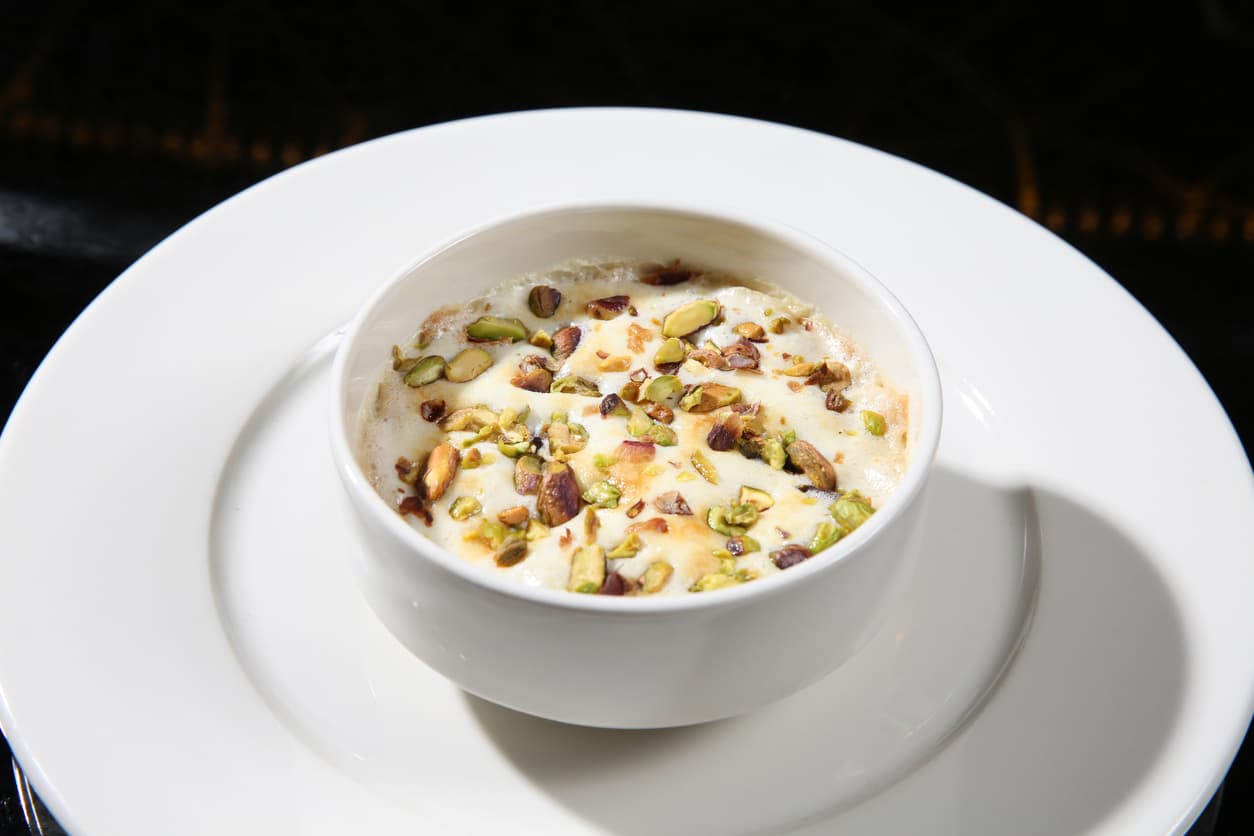
Umm Ali, Egypt's version of bread pudding, is a comforting dessert made from layers of pastry, mixed with milk, sugar, and nuts. It's baked until golden and bubbly, resulting in a creamy, luscious treat. The combination of crispy pastry and creamy custard makes it a beloved choice for many dessert enthusiasts.
The flavor experience: Warm, creamy, not too sweet despite all that cream. The nuts give it crunch, the raisins add little bursts of sweetness, and the pastry soaks up all that milky goodness while maintaining some texture. It's pure comfort food.
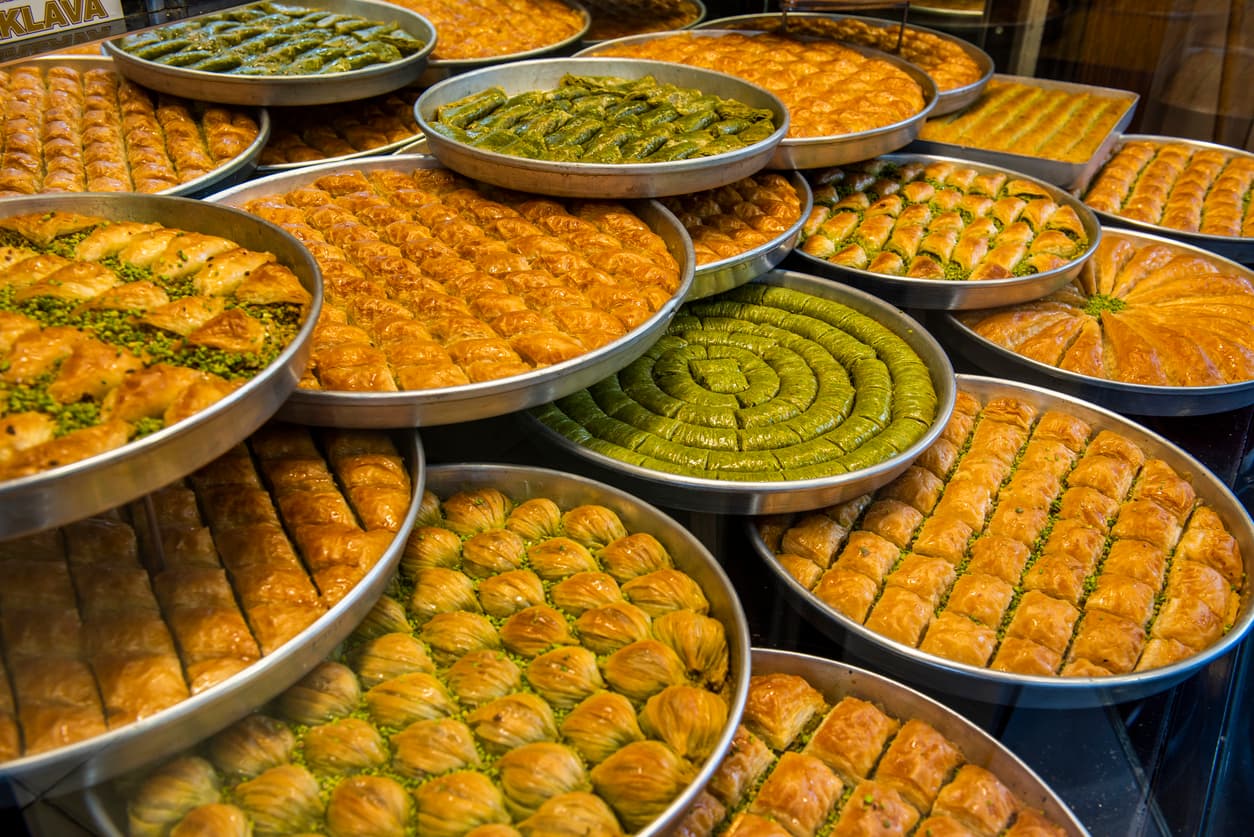
Is found all over the Mediterranean and Middle East. But Egyptian baklava has its own character and deserves recognition.
What it is: Layers upon layers of paper-thin phyllo dough, brushed with butter or ghee, filled with chopped nuts (pistachios, walnuts, or almonds), baked until golden, and then soaked in honey or sugar syrup.
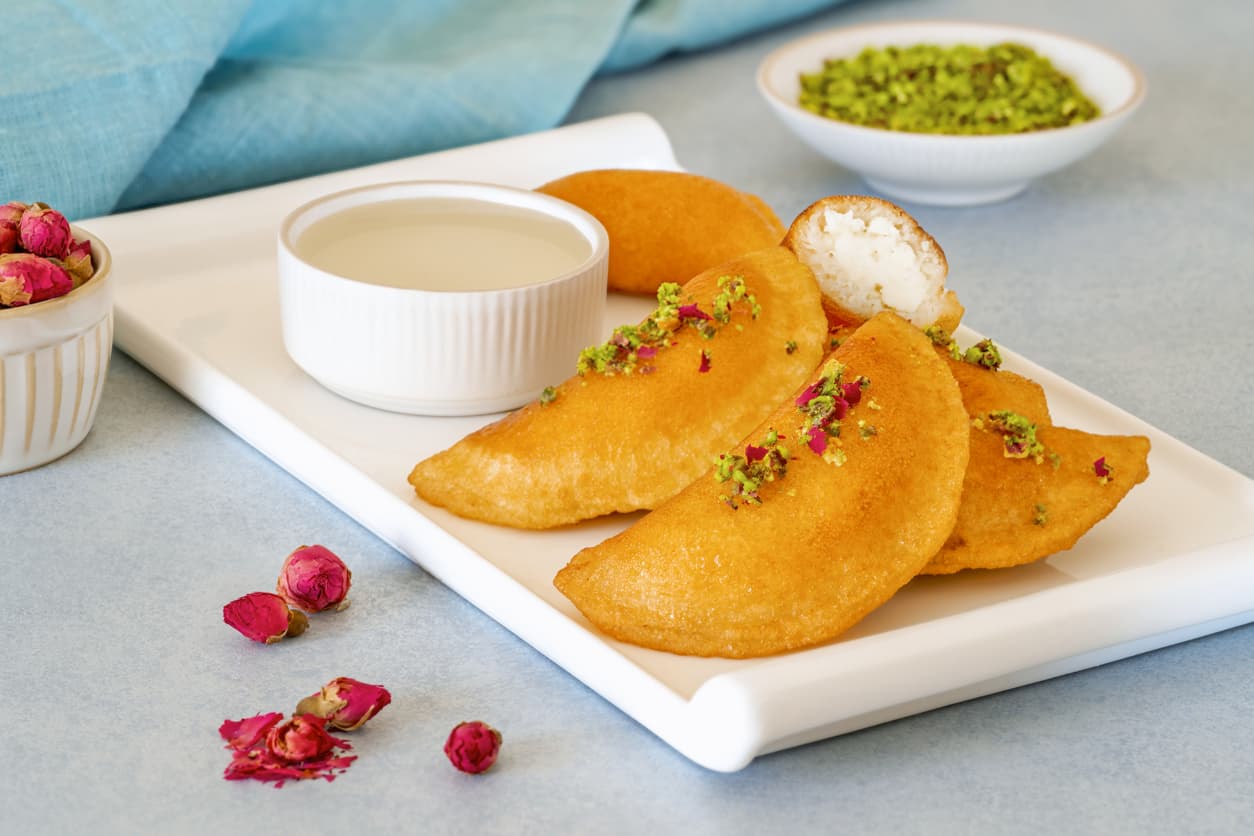
These sweet little pancakes are traditionally associated with Ramadan but are so good that some shops sell them year-round now.
What it is: Small, thick pancakes cooked only on one side, folded over a filling (usually nuts or sweet cheese), then either fried or baked and drenched in syrup. Think of them as Egyptian sweet tacos.
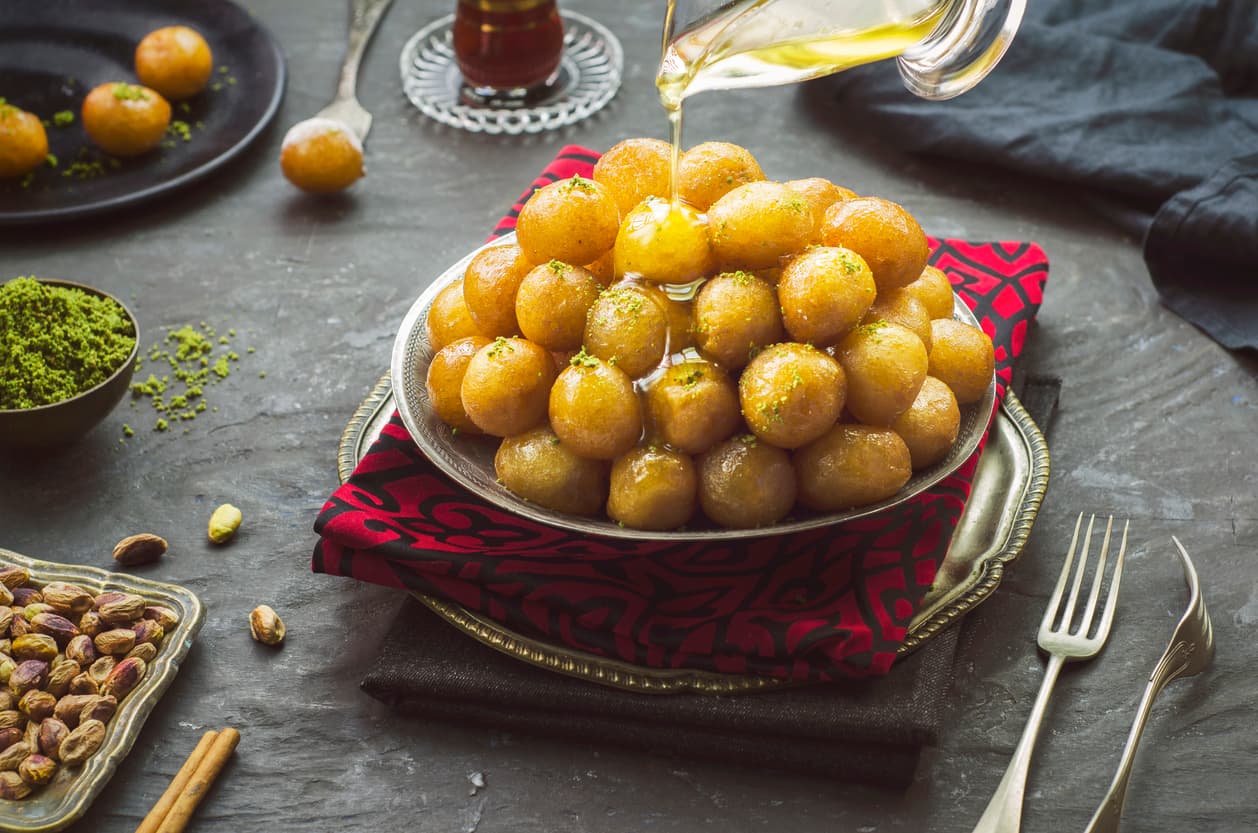
Egyptians have strong opinions about how to properly enjoy sweets:
Egyptian desserts are more than just food—they're a gateway into the country's culture, history, and social traditions. Every bite tells a story of Ottoman influence, ancient Egyptian ingredients, Arab innovations, and modern Egyptian creativity.
When you're in Egypt, don't skip the sweets thinking they're "just like baklava at home." They're not. Each dessert has its own character, its own perfect occasion, its own devoted following. And honestly, you haven't truly experienced Egyptian hospitality until someone's insisted you try their favorite sweet with a cup of tea while talking for hours.
Q1: What is the most popular dessert in Egypt?
A: Basbousa (semolina cake) and kunafa are tied for the top spot. Basbousa is more everyday and found everywhere, while kunafa is slightly more special occasion. Both are absolutely beloved and you'll find dedicated shops serving them fresh throughout Egypt. During Ramadan, qatayef becomes extremely popular.
Q2: Are Egyptian desserts very sweet?
A: Yes, traditionally they're quite sweet! Egyptian desserts often feature sugar syrup (qatr) poured over them, making them sweeter than many Western desserts. However, the sweetness is usually balanced with nuts, cream, or the slight saltiness of cheese in kunafa. The practice of eating them with unsweetened tea or bitter coffee helps balance the sweetness.
Q3: What's the difference between Egyptian baklava and Turkish baklava?
A: Egyptian baklava tends to be less syrup-soaked than Turkish versions, allowing the flavor of the nuts and pastry to shine through more. Egyptian baklava also comes in more varied shapes (fingers, diamonds, triangles, rolls) and often uses less butter. Turkish baklava is typically sweeter, heavier on the syrup, and uses more clarified butter.
Q4: Can I find Egyptian desserts outside of Egypt?
A: Yes! Many Middle Eastern or Mediterranean restaurants and bakeries worldwide serve Egyptian desserts, especially in areas with significant Egyptian or Arab populations. Look for Middle Eastern grocery stores or specialty sweet shops. You can also order ingredients online and make them at home—recipes are widely available.
Q5: What dessert should I try first if I'm new to Egyptian sweets?
A: Start with basbousa! It's less intimidating than some other options, found everywhere, affordable, and gives you a good introduction to the semolina-and-syrup flavor profile common in Egyptian desserts. If you want something more adventurous, try kunafa—the cheese-and-pastry combination is unique and unforgettable.
Q6: Are Egyptian desserts suitable for vegans?
A: Most traditional Egyptian desserts contain dairy (milk, butter, cream) and are not vegan. However, some can be adapted—basbousa can be made with plant milk and coconut oil, and zalabya is sometimes vegan depending on the recipe. Always ask about ingredients. Halawa (made from tahini) is often naturally vegan.
Q7: When is the best time to buy Egyptian desserts?
A: Visit sweet shops in the morning or early afternoon when everything is fresh. Many shops make batches throughout the day, so you'll get the best quality earlier. During Ramadan, shops are busiest in the late afternoon/evening as people prepare for iftar. For kunafa specifically, ask when the next batch is coming out of the oven.
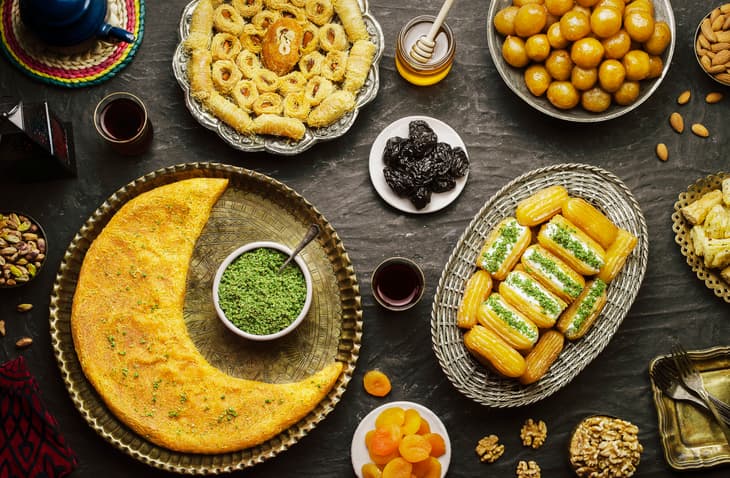
Find Related Tours

All Egypt Tours Magazine

Explore the world's most spectacular coral reefs and discover why the Red Sea offers the planet's best snorkeling experiences
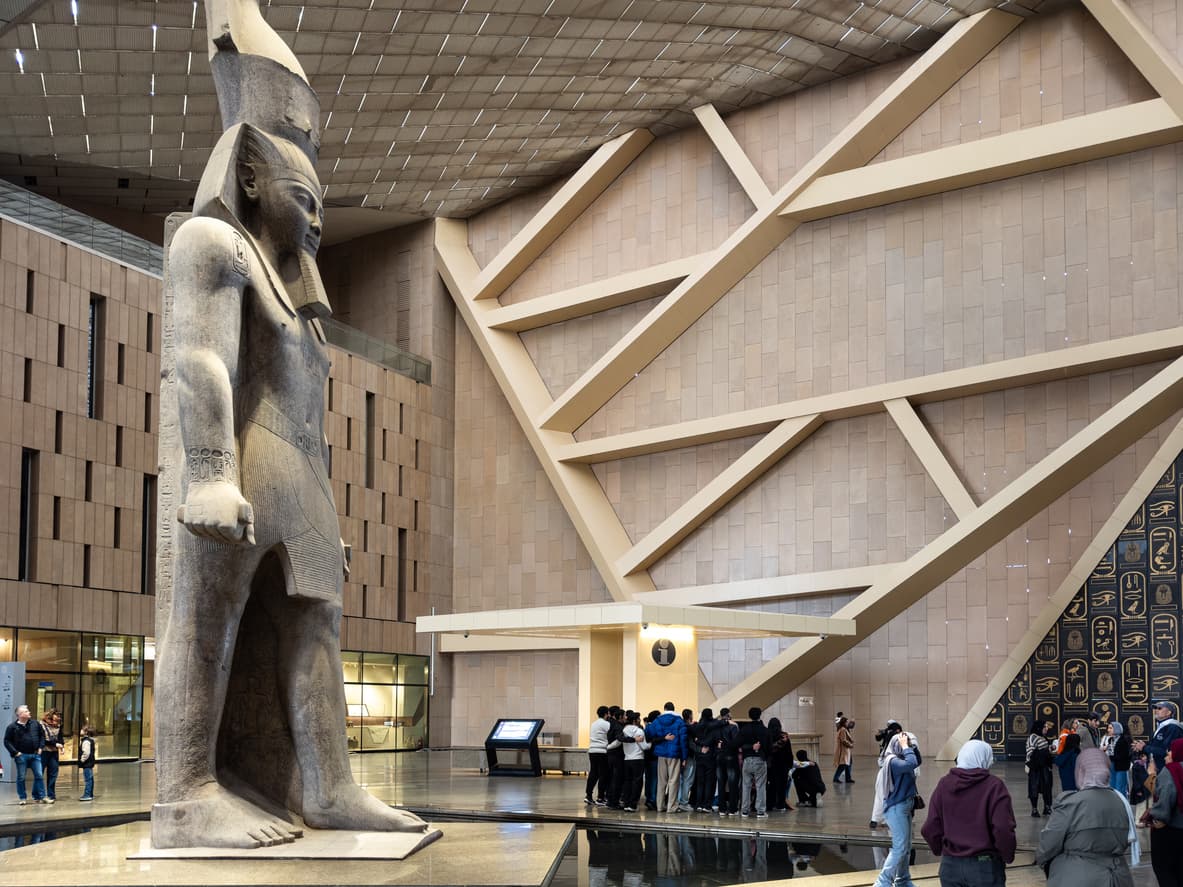
Your ultimate Grand Egyptian Museum Guide: explore highlights, practical advice, and insider tips to make the most of your museum adventure.

From the White Desert to Siwa Oasis, discover the best Egypt desert adventures, including stargazing, and unforgettable safari experiences.
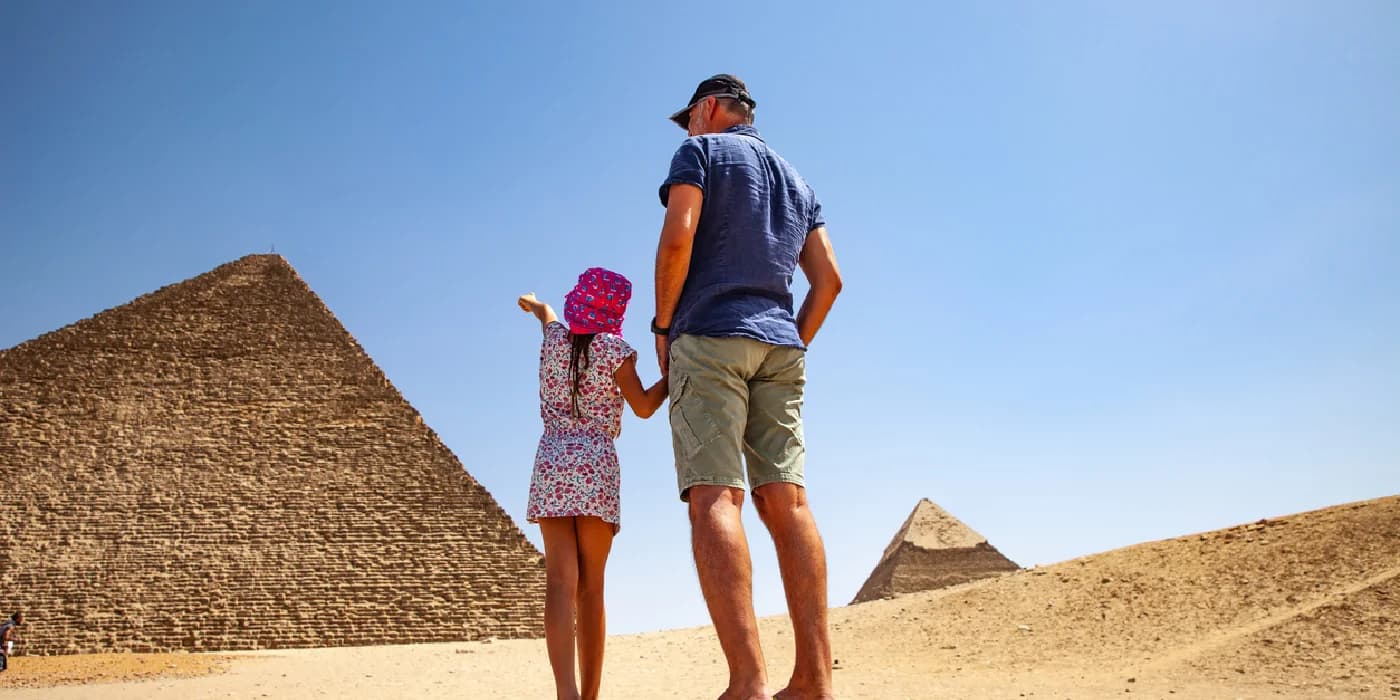
Discover the best places and activities for kids in Egypt, from the pyramids and Nile cruises to Red Sea beaches, and family-friendly experiences.
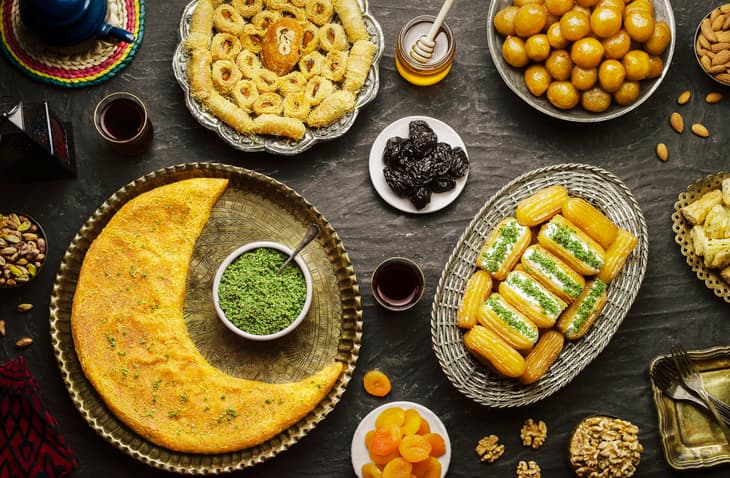
Explore traditional Egyptian desserts with this complete guide. Discover basbousa, kunafa, om ali & more sweet treats that make Egypt's cuisine amazing!
Master the Egypt-Jordan border crossing at Taba-Aqaba. Complete guide with visa info, costs, transport options & pro tips for hassle-free travel.
Discover Luxor's top 10 must-visit attractions including ancient temples, royal tombs & stunning monuments. Your ultimate guide to Egypt's greatest city!


© Copyright 2026 Go All Egypt Tours. All Rights Reserved.