

When it comes to planning a trip to Egypt, the land of the pharaohs, the timing of your visit can dramatically shape your experience. While Egypt is a year-round destination thanks to its rich history, vibrant culture, and iconic landscapes, the season you choose will influence not only the weather but also the types of activities and sights you can enjoy. Whether you're a sun worshipper or someone who prefers milder climates, Egypt has something to offer everyone.
Let me break down everything you need to know about Egypt in summer versus winter so you can make the right choice for your trip.
Egypt's climate is predominantly desert, characterized by hot summers and mild winters. However, the differences in temperature and weather conditions between summer and winter can greatly affect your travel plans.
Is known for its intense heat, especially in the southern regions like Aswan and Luxor, where temperatures can soar above 40°C (104°F). The coastal areas, such as Alexandria and the Red Sea resorts, offer some relief with cooler breezes and slightly lower temperatures, but it's still quite warm. It's essential to stay hydrated and protect yourself from the sun if you're visiting during these months.
Brings more moderate temperatures, ranging from 14°C (57°F) to 20°C (68°F) in Cairo and the Nile Delta. The southern regions remain pleasantly warm, making it an ideal time to explore the outdoor wonders without the blistering heat. Rainfall is minimal, ensuring that your travel plans aren't disrupted by unexpected showers.
Understanding these climatic conditions is crucial for planning your itinerary. While summer might be ideal for beach lovers looking to bask under the sun, winter is perfect for those eager to explore ancient ruins and crowded urban areas without breaking a sweat.

Visiting Egypt in summer means embracing the heat and the vibrant energy that comes with the high season. This is the time when the country is bustling with tourists who are eager to explore its wonders. The skies are clear, the sun is shining bright, and there's an undeniable charm that summer brings to the Egyptian landscapes.
Summer in Egypt can be intense due to the scorching temperatures, so it’s best to plan wisely with early morning visits to sites like the Pyramids or Karnak Temple to avoid the midday heat. While sightseeing can be hot, seeing these iconic landmarks under bright sunlight is incredibly rewarding. On the plus side, summer is ideal for water activities like snorkeling in the Red Sea or enjoying a relaxing Nile cruise, and the evenings become pleasantly cooler—perfect for experiencing the lively nightlife in Cairo or Sharm El Sheikh.

Even in the scorching heat, Egypt's treasures are waiting for you. Here's what's worth braving the temperature for:
The Red Sea Resorts are absolutely perfect in summer. Sharm El Sheikh, Hurghada, and Marsa Alam offer world-class diving and snorkeling. The water is wonderfully warm, and the coastal breeze takes the edge off the heat.
Alexandria becomes the escape for locals and savvy travelers alike. The Mediterranean coast stays relatively cooler, and you can explore the Bibliotheca Alexandrina and Qaitbay Citadel without melting.
The Egyptian Museum in Cairo is fully air-conditioned, making it an ideal refuge during the hottest part of the day. Spend your afternoons among the pharaohs while staying cool.
The Pyramids of Giza are always spectacular, but in summer, I'd recommend going super early (think sunrise) or late afternoon. The early morning light is magical, and you'll avoid both the crowds and the worst of the heat.
A cruise on the Nile is a quintessential Egyptian experience. In summer, these cruises offer a refreshing break from the heat, with the gentle river breeze enhancing the journey.
For those seeking a unique adventure, the Siwa Oasis offers a fascinating mix of history and natural beauty. The oasis is cooler than the surrounding desert, making it a unique summer retreat.
Summer is also a great time to attend local festivals or explore night markets that come alive with the buzz of tourists and locals alike, offering a mix of culture, food, and entertainment.

Summer in Egypt calls for a different approach to sightseeing. Work with the heat, not against it.
Diving and Snorkeling are at their prime. The Red Sea's marine life is most active, visibility is excellent, and the water temperature is perfect—no wetsuit needed.
Indoor Exploration becomes your strategy. Museums, temples with covered sections, and air-conditioned attractions are your friends. The Grand Egyptian Museum (when fully open) will be a godsend.
Sunset Felucca Rides on the Nile are pure magic. Wait until the temperature drops, then drift along the river as the sun sets. It's romantic, peaceful, and much cooler than daytime activities.
Evening Sound and Light Shows at the pyramids or Karnak Temple let you experience these monuments when it's bearable outside. Plus, they're pretty spectacular.
White Desert Camping might sound crazy in summer, but desert nights can actually be pleasant, and you'll have the otherworldly landscape almost to yourself.
These activities not only allow you to enjoy the summer sunshine but also offer a deeper connection to Egypt's natural and cultural landscapes.


If you’re planning a summer trip to Egypt, here are some essential tips to ensure a comfortable and enjoyable experience:
Following these tips will help you make the most of your summer vacation in Egypt while staying safe and comfortable.

Winter in Egypt offers a different kind of magic. The cooler temperatures make it an attractive option for those who prefer a more laid-back experience without the intense heat. This season is ideal for exploring Egypt’s outdoor attractions in comfort.
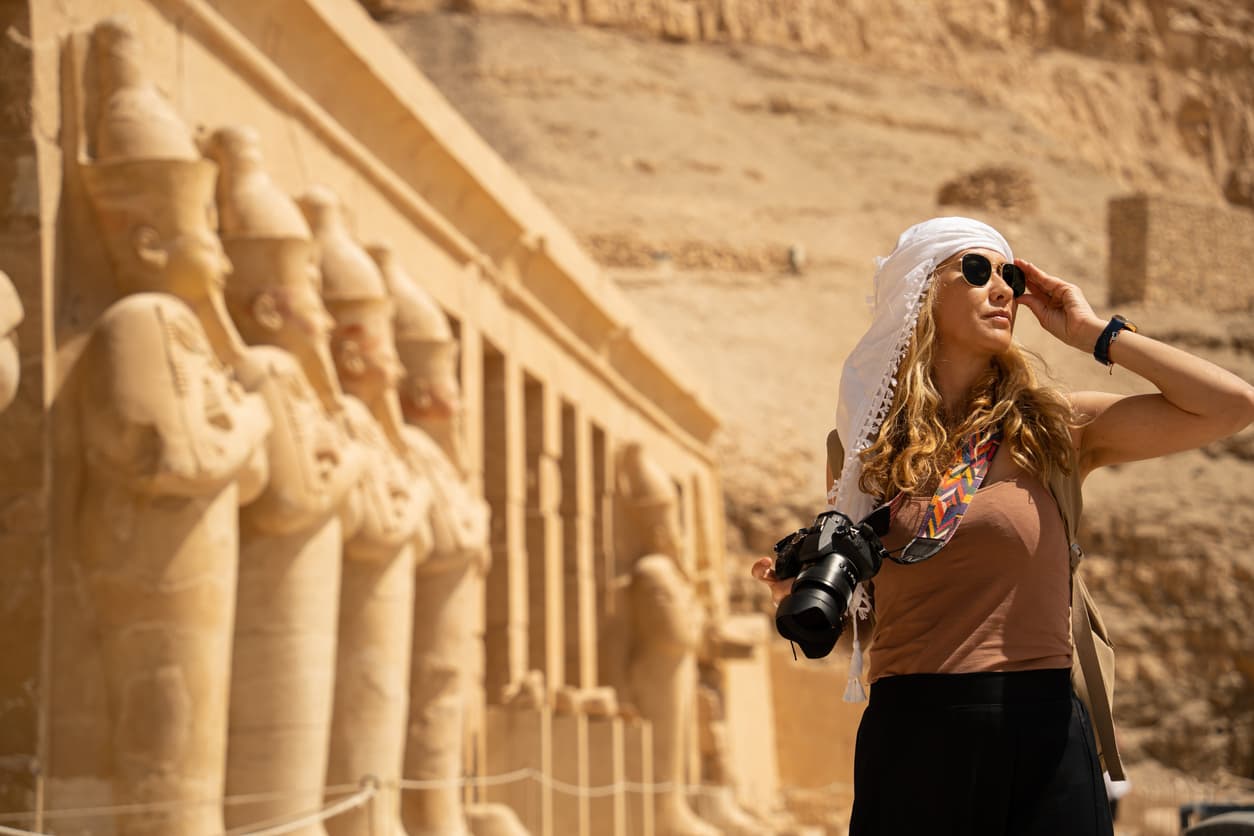
Winter in Egypt offers cooler, more comfortable weather, making it perfect for long walks through Cairo’s lively markets or exploring ancient sites like the Valley of the Kings, the Great Sphinx, and Abu Simbel without the intense heat. The milder temperatures make sightseeing far more enjoyable, and while popular destinations like Cairo and Luxor still attract visitors, the crowds are generally more manageable than in peak summer months, allowing for shorter lines, more personal space, and a more relaxed, immersive experience.

Winter is prime time for Egypt's greatest hits, and every site is accessible and enjoyable:
Are absolutely perfect in winter. You can spend entire days exploring Karnak Temple, Luxor Temple, and the royal tombs without overheating. The morning light on the Nile is breathtaking.
Abu Simbel is spectacular year-round, but winter makes the journey and exploration so much more comfortable. The twice-yearly Sun Festival (February 22 and October 22) sees the sun illuminate the inner sanctuary—truly magical.
The Pyramids and Sphinx are ideal for wandering around, taking photos from every angle, and really soaking in the majesty without rushing to escape the heat.
Cairo's Islamic Quarter comes alive in winter. Walk through Khan el-Khalili bazaar, explore the stunning mosques, and enjoy street food without wilting.
Aswan is gorgeous in winter. Take a felucca to Elephantine Island, visit the Nubian villages, see Philae Temple, and actually enjoy being outside.
These attractions, coupled with the pleasant winter weather, provide a perfect backdrop for immersing yourself in Egypt’s historical and cultural wealth.

Winter opens up Egypt completely. You can literally do everything.
Nile Cruises are at their best between Luxor and Aswan. The weather is perfect for lounging on deck, and you'll hit all the major temples along the way in comfort.
Desert Adventures are phenomenal. Go quad biking in the desert, take a hot air balloon over Luxor at sunrise, or do a multi-day trek through the Sinai—all comfortable in winter weather.
Hot Air Ballooning Take advantage of the crisp winter mornings for a hot air balloon ride over Luxor, offering breathtaking views of the landscape and ancient monuments.
Camel Treks to the pyramids or into the desert are much more pleasant when you're not being baked alive.
Cultural Festivals and Events tend to happen in winter months, giving you a chance to experience Egyptian culture beyond the ancient monuments.


For those visiting Egypt in winter, here are some tips to help you prepare:
These tips will help you enjoy the mild winter climate while exploring Egypt's wonders.

Here's my honest take: winter is objectively the best time for most people. The weather is near-perfect, you can comfortably visit every attraction, and Egypt is at its most vibrant. If this is your once-in-a-lifetime trip and you want to experience everything without weather limitations, go between November and February.
But summer has serious advantages for the right traveler. If you're browsing Egypt Tour Packages on a budget, can handle the heat, prioritize beaches and diving, or prefer fewer crowds, June through August can be an amazing time to visit. You’ll often find better deals, enjoy quieter attractions, and experience Egypt’s wonders in a more intimate and relaxed way.
| Factor | Summer | Winter |
| Weather | Very hot | Mild & pleasant |
| Prices | Lower | Higher |
| Crowds | Fewer | More |
| Best For | Budget & beaches | Sightseeing & cruises |
| Comfort Level | Challenging midday | Very comfortable |
Q1. Is Egypt too hot in summer?
It depends on your heat tolerance. Summer temperatures regularly exceed 40°C (104°F) in southern Egypt, which can be dangerous if you're not careful. Coastal areas are more manageable. If you're used to hot climates and take proper precautions (early starts, hydration, breaks), it's doable—but it's definitely challenging.
Q2. What should I wear in Egypt in winter?
Layers are key. Bring t-shirts and light pants for daytime, plus a sweater or light jacket for evenings. Long, loose clothing works best—it respects local customs and protects from the sun. Don't forget comfortable walking shoes and a scarf (useful for warmth, sun protection, and visiting mosques).
Q3. Are the pyramids of Giza crowded in winter?
Yes, winter is peak tourist season, so expect crowds at major sites like the Pyramids of Giza, especially mid-morning to early afternoon. To avoid the worst crowds, visit right when sites open (usually 8 AM) or later in the afternoon. Hiring a guide can also help you navigate crowds more efficiently.
Q4. Can I swim in the Red Sea in winter?
Absolutely! Winter water temperatures in the Red Sea range from 21-24°C (70-75°F), which is refreshing but comfortable for most people. Some swimmers prefer a thin wetsuit, but many swim and snorkel without one. The diving and marine life viewing are excellent year-round.
Q5. What's the cheapest month to visit Egypt?
July and August are typically the cheapest months due to extreme heat keeping tourist numbers low. You can find hotel discounts of 30-50% and cheaper flights. June and September are also budget-friendly. Avoid December and January if you're looking for deals—that's when prices peak.
Q6. Is it safe to visit Egypt during summer heat?
It's safe if you're smart about it. Stay hydrated, avoid outdoor activities during peak heat (11 AM - 4 PM), wear sun protection, and listen to your body. Heat exhaustion is a real risk, so pace yourself, take breaks in air-conditioning, and don't push through feeling unwell. Choose accommodations with good cooling systems.
Q7. How many days do I need to visit Egypt?
It depends on what you want to see. For just the highlights (Cairo, Giza, Luxor), 5-7 days works. For a more comprehensive trip including a Nile cruise, Aswan, and beach time, plan for 10-14 days. Egypt has so much to offer that you could easily spend 3 weeks and still have things left to discover.

Find Related Tours

All Egypt Tours Magazine

Explore the world's most spectacular coral reefs and discover why the Red Sea offers the planet's best snorkeling experiences
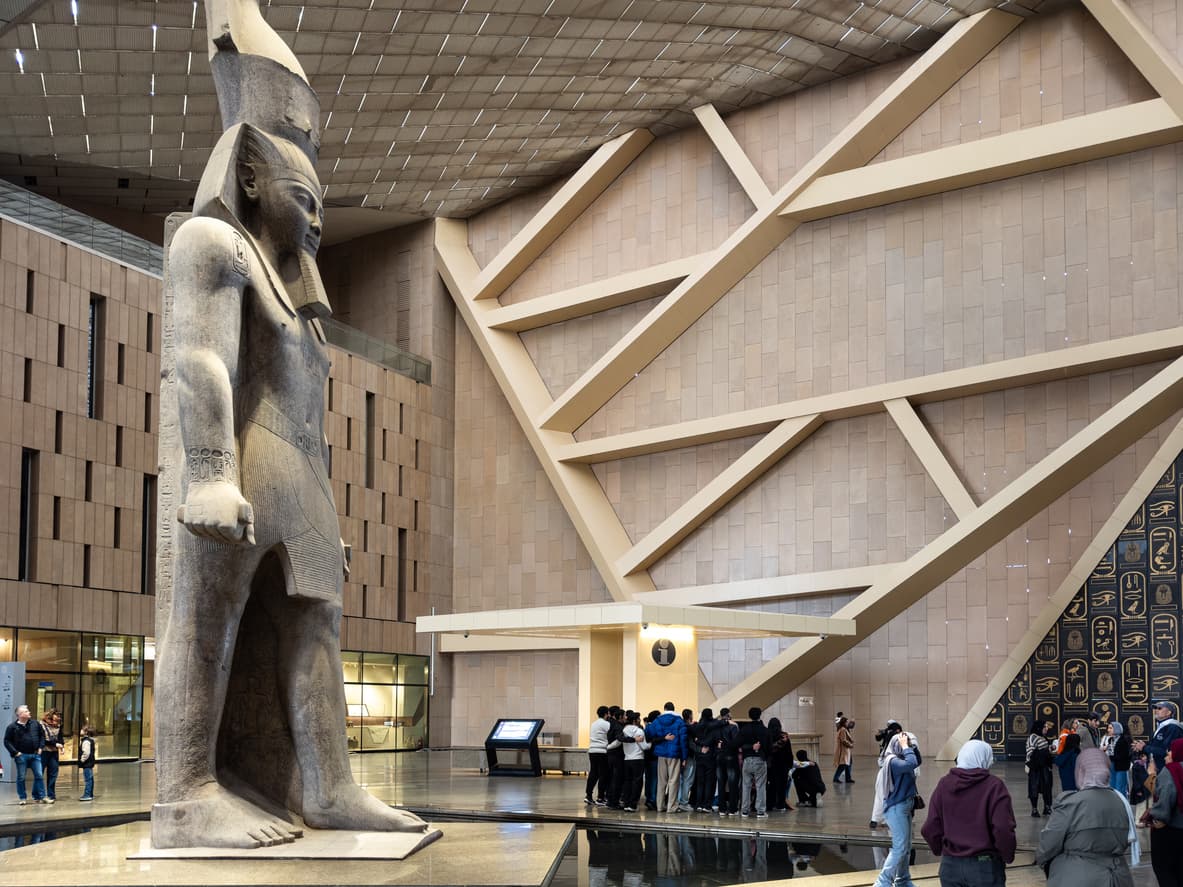
Your ultimate Grand Egyptian Museum Guide: explore highlights, practical advice, and insider tips to make the most of your museum adventure.

From the White Desert to Siwa Oasis, discover the best Egypt desert adventures, including stargazing, and unforgettable safari experiences.
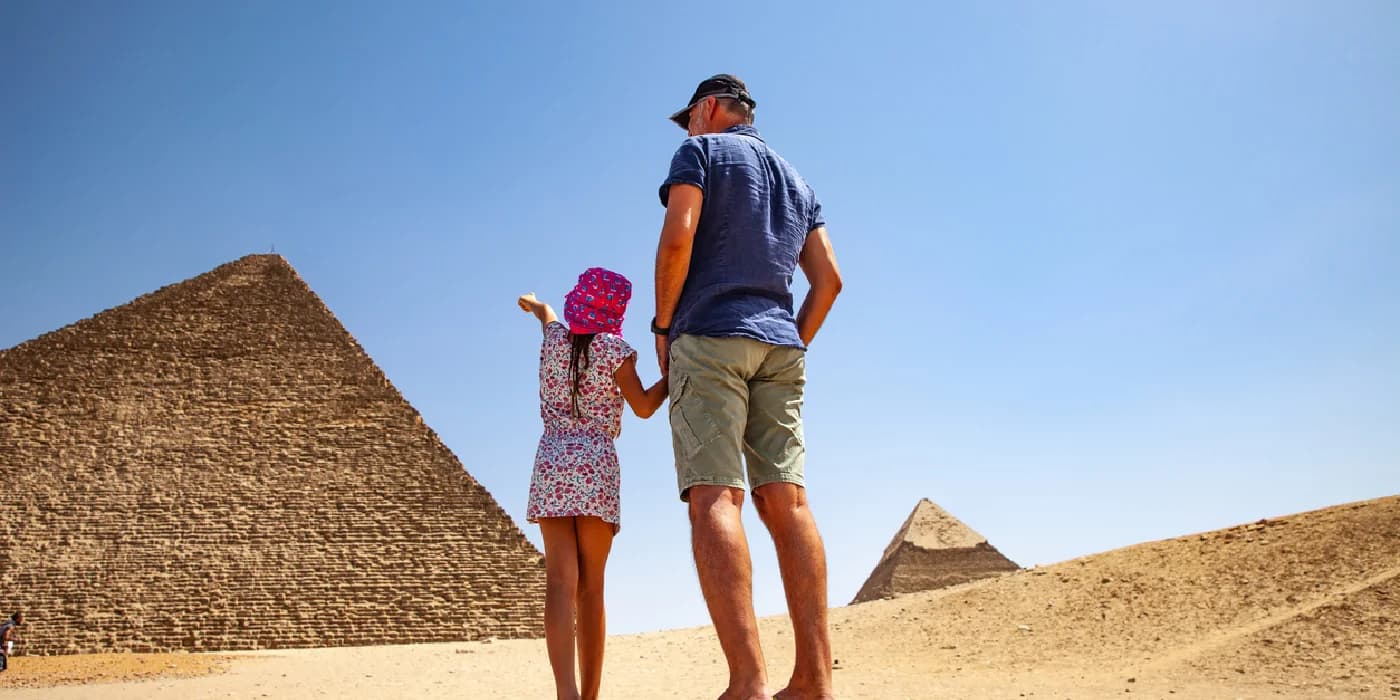
Discover the best places and activities for kids in Egypt, from the pyramids and Nile cruises to Red Sea beaches, and family-friendly experiences.
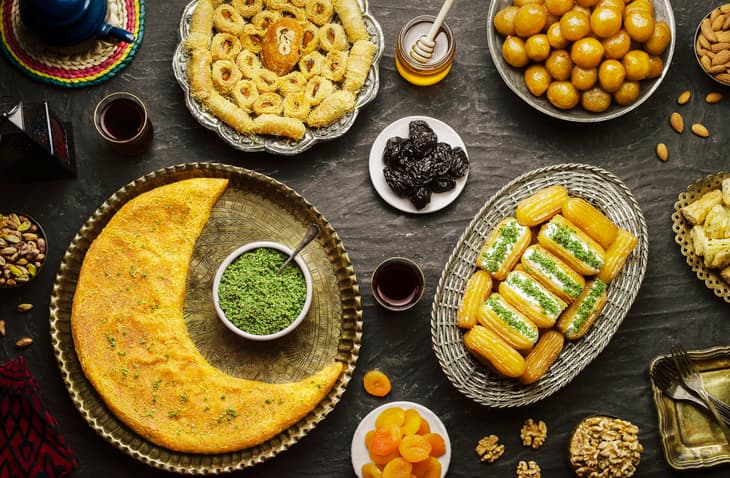
Explore traditional Egyptian desserts with this complete guide. Discover basbousa, kunafa, om ali & more sweet treats that make Egypt's cuisine amazing!
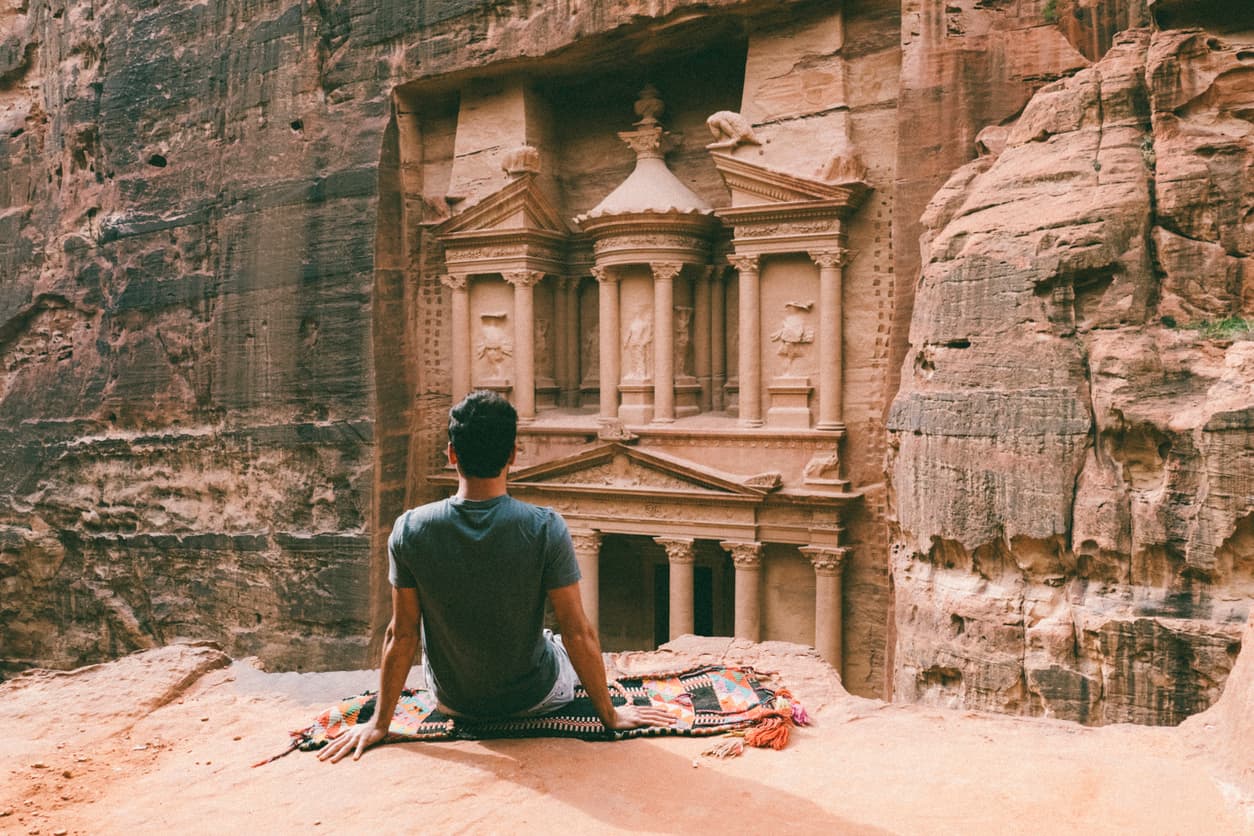
Master the Egypt-Jordan border crossing at Taba-Aqaba. Complete guide with visa info, costs, transport options & pro tips for hassle-free travel.
Discover Luxor's top 10 must-visit attractions including ancient temples, royal tombs & stunning monuments. Your ultimate guide to Egypt's greatest city!


© Copyright 2026 Go All Egypt Tours. All Rights Reserved.


