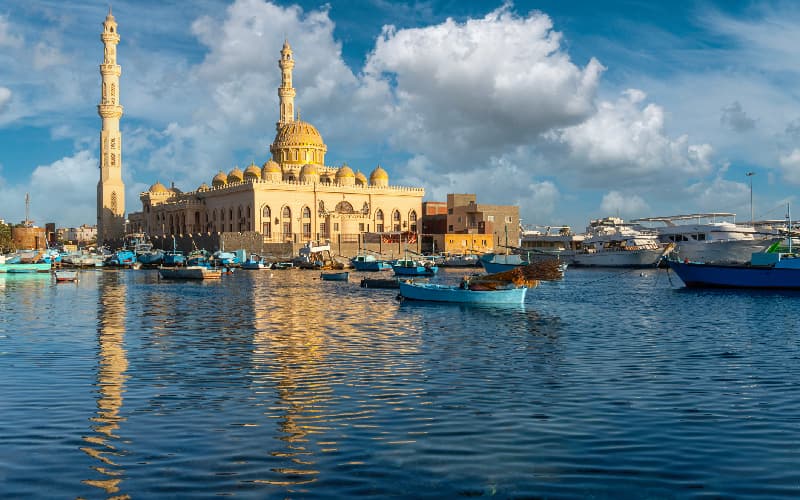
Most travel guides present Hurghada through its conventional attractions, yet this Red Sea town harbors authentic experiences that casual visitors rarely find. Its evolution from a modest fishing village in the 1980s to an international resort destination has created fascinating cultural layers — traditional Egyptian life persisting quietly alongside modern tourism infrastructure.
Local restaurants tucked into residential neighborhoods, markets where families shop for daily provisions, Bedouin communities maintaining ancestral desert customs, and art spaces that never intersect with resort entertainment all offer genuine connections that contrast sharply with the standardized tourist district experience.
What follows guides you to where residents actually live, shore-accessible diving away from crowded boat tours, desert traditions passed through generations, and creative communities that define Hurghada's true character.
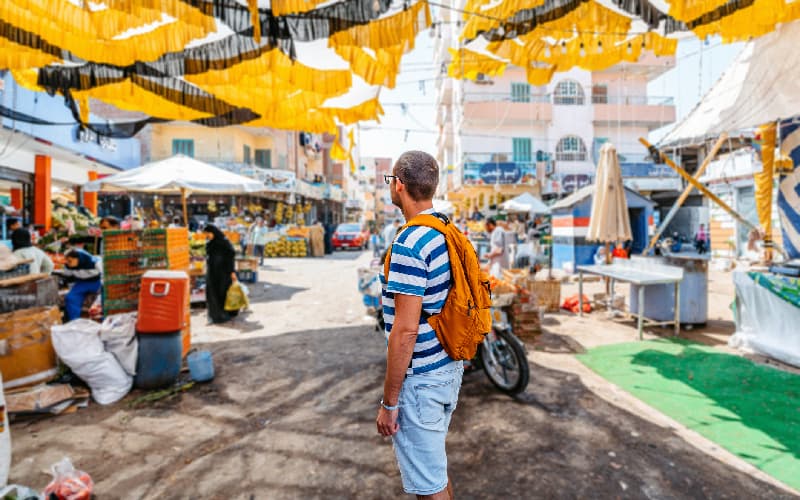
El Dahar district is the authentic heart of Hurghada, where residents carry out daily life away from the tourist-heavy Sheraton Road. Street food vendors serve traditional Egyptian dishes to locals who have visited them for decades, creating a genuine atmosphere rooted in community life rather than tourism.
Family Fish Restaurant reflects the neighborhood dining culture, where fresh Red Sea catches arrive daily and meals are prepared using traditional recipes. Staff often treat visitors like family, and dishes are simple, fresh, and fairly priced, making these spots popular with locals.
El Dahar market has long been a key shopping hub, offering seasonal fruits, vegetables, and goods from nearby agricultural villages. Beyond food, visitors find handmade crafts, textiles, baskets, leather goods, and jewelry. Evening hours are especially lively as families shop for daily needs at lower prices.
Egyptian ahwa coffee houses are social hubs where people gather for tea, coffee, and long conversations. In El Dahar, these spaces are relaxed and community-focused, with patrons spending hours chatting, playing cards, and enjoying traditional drinks like sweet tea and cardamom coffee.
Shops like Cadeau and DownTown Star Bazar offer cultural items, antiques, papyrus art, carved wood, lamps, and handmade souvenirs. These stores provide more authentic alternatives to mass-produced tourist goods, often with stories and cultural meaning behind each piece.
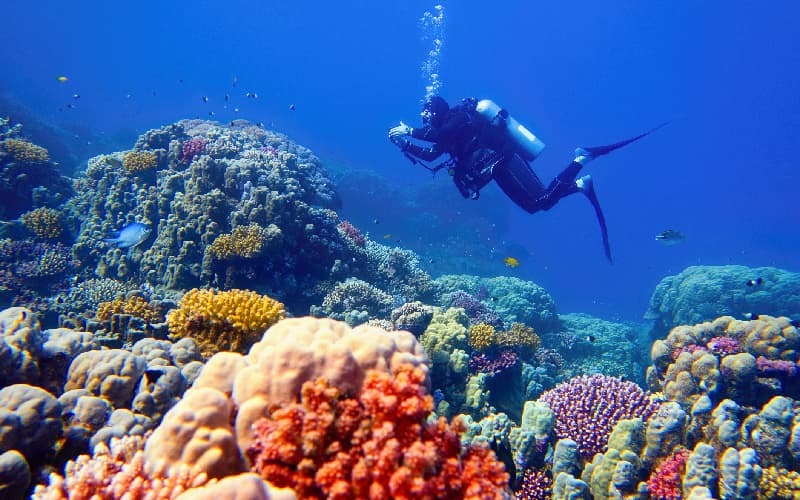
Hurghada offers marine experiences beyond standard boat tours, with quieter shore access points and natural reef environments that allow more flexible and less crowded exploration of the Red Sea.
Shore diving allows direct beach entry, avoiding boat schedules and crowded trips. Makadi and IDive house reefs offer varied depths and flexible timing, especially in early mornings when visibility is at its best and marine life is more active.
Mangrove areas around El Gouna and nearby lagoons provide peaceful kayaking routes filled with wildlife. Early morning paddles reveal birds, fish, and crustaceans moving through calm waters, offering a quiet, nature-focused experience away from motorboats.
Freediving schools in Hurghada offer structured programs from beginner to advanced levels. Training focuses on breathing control, equalization techniques, and safety, with practice sessions in calm reef waters and controlled environments.
Local fishing trips target species like tuna, barracuda, mahi-mahi, and trevally. Experienced crews provide gear and guidance, combining modern techniques with traditional Red Sea fishing knowledge passed down through generations.
Areas like Abu Hashish Lagoon and Magawish Island offer healthier coral ecosystems with fewer visitors. These waters support turtles, rays, dolphins, and hundreds of reef fish species, making them ideal for snorkeling and eco-friendly exploration.
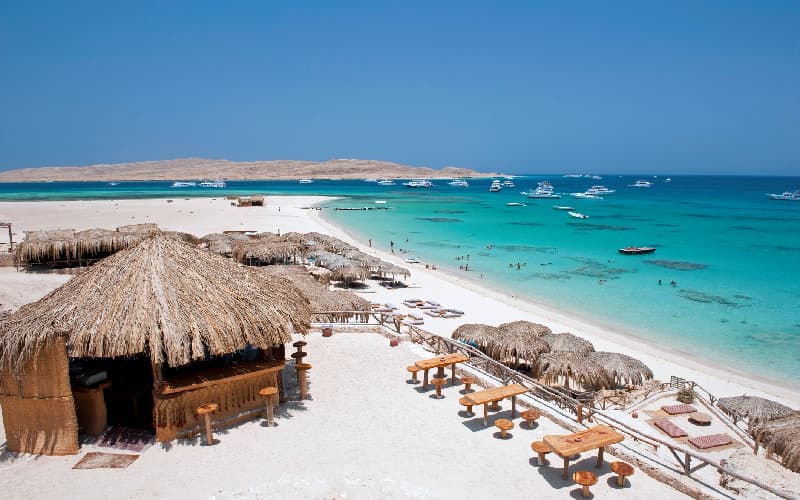
Best Beaches in Egypt to Visit
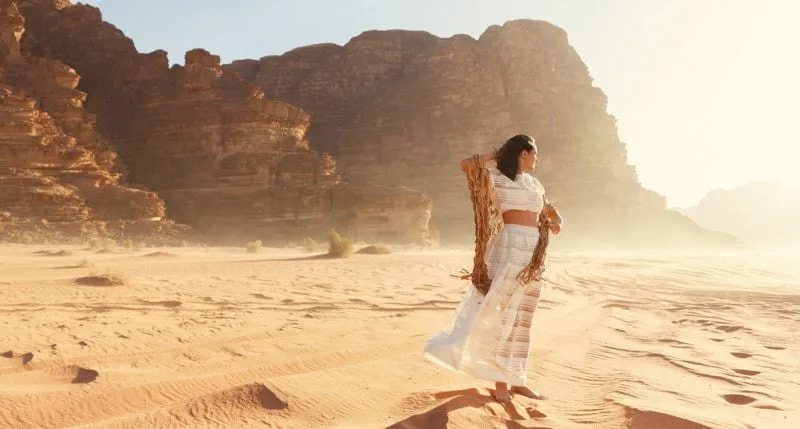
Hurghada’s surrounding desert offers cultural and natural experiences beyond typical safari trips, including Bedouin traditions, remote landscapes, and ancient travel routes that reveal Egypt’s desert heritage.
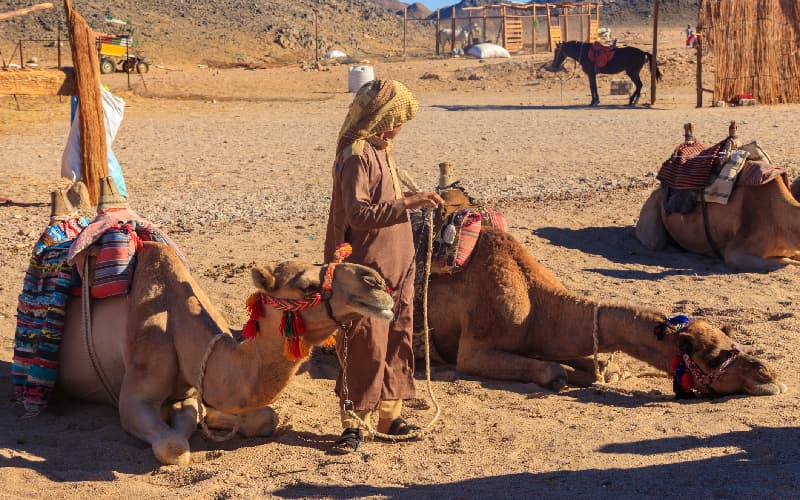
Bedouin camps near Makadi Bay provide immersive experiences with traditional cooking, coffee preparation, music, and storytelling. Nights include stargazing and cultural performances that reflect centuries-old desert life.
Workshops teach navigation, shelter building, and desert safety techniques. Visitors learn practical skills like reading terrain, managing heat, and understanding desert conditions.
Natural hot springs in regions like Siwa and Matrouh offer mineral-rich waters used for relaxation and wellness. These remote spots are often combined with desert scenery and stargazing experiences.
Historic trade routes once connected Africa and Asia through Egypt’s deserts. Today, these paths reveal the country’s long history of commerce, migration, and cultural exchange across harsh landscapes.
Bedouin communities still follow seasonal migration patterns, moving with livestock across desert regions. Encounters offer insight into traditional desert life and survival practices preserved over generations.
Hurghada also has a quiet creative scene, where artists, musicians, and craftspeople preserve cultural expression beyond tourism.
Photographers document everyday life, coastal scenes, and desert culture, capturing authentic moments that go beyond typical tourist imagery and reflect real local experiences.
Music events feature instruments like oud, qanun, and darbuka, blending traditional Egyptian and Bedouin sounds with modern influences in live cultural performances.
Galleries such as Canvas Fine Arts showcase contemporary Egyptian and international art, hosting exhibitions, workshops, and cultural events for visitors and locals.
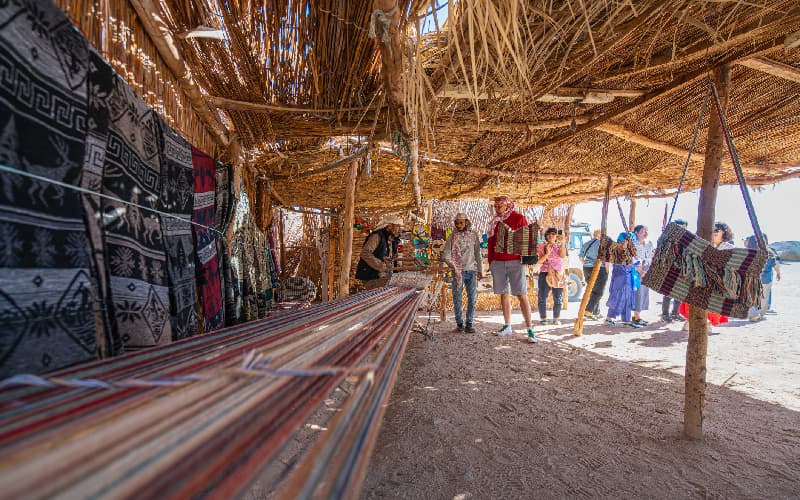
Cooperatives preserve traditional weaving, embroidery, and textile production. These workshops support local artisans and help maintain cultural heritage skills passed through generations.
Cultural gatherings bring locals and visitors together to share poetry and oral stories. These events preserve storytelling traditions while encouraging modern creative expression.
Authentic experiences in Hurghada lie beyond the resort bubble. Residential neighborhoods, independent shore snorkeling, Bedouin overnight stays, and quiet local art collectives reveal a cultural depth that package tourism rarely touches.
These encounters demand more time and curiosity, but offer insights that organized excursions cannot replicate. The most meaningful connections come through direct engagement with the communities, traditions, and creative expressions that define how Hurghada actually lives — not how it's marketed.
1. What are the hidden things to do in Hurghada?
Hidden experiences include visiting El Dahar local markets, shore diving spots, Bedouin desert camps, mangrove kayaking, and independent art spaces away from resort areas.
2. Is Hurghada only about beaches and resorts?
No, Hurghada also offers authentic cultural experiences such as traditional coffee houses, local restaurants, desert communities, and creative arts scenes.
3. Where can I experience local life in Hurghada?
El Dahar district is the best place to experience real local life, including street food, markets, and traditional Egyptian coffee houses.
4. Can I dive in Hurghada without a boat tour?
Yes, shore diving is available in areas like Makadi, allowing direct beach entry to reefs without joining crowded boat trips.
5. What desert experiences can I do in Hurghada?
You can visit Bedouin camps, try desert survival workshops, explore ancient caravan routes, and even see remote hot springs.
6. Is Hurghada good for cultural experiences?
Yes, beyond tourism zones, Hurghada has music gatherings, art galleries, photography collectives, and craft cooperatives preserving local heritage.
7. Are these hidden experiences safe for tourists?
Yes, most are safe when arranged through trusted local guides or operators, especially for desert and diving activities.
Find Related Tours

All Egypt Tours Magazine

Hurghada beyond the resorts offers local markets, family-run restaurants, desert adventures, shore diving, and authentic Red Sea culture.

A complete family travel guide to Egypt with kids, covering pyramids, temples, Nile cruises, Red Sea adventures, and practical tips for a safe, fun, and memorable trip.

Egypt in November offers warm days, cool nights, and ideal travel conditions for sightseeing, Nile cruises, deserts, and Red Sea adventures.
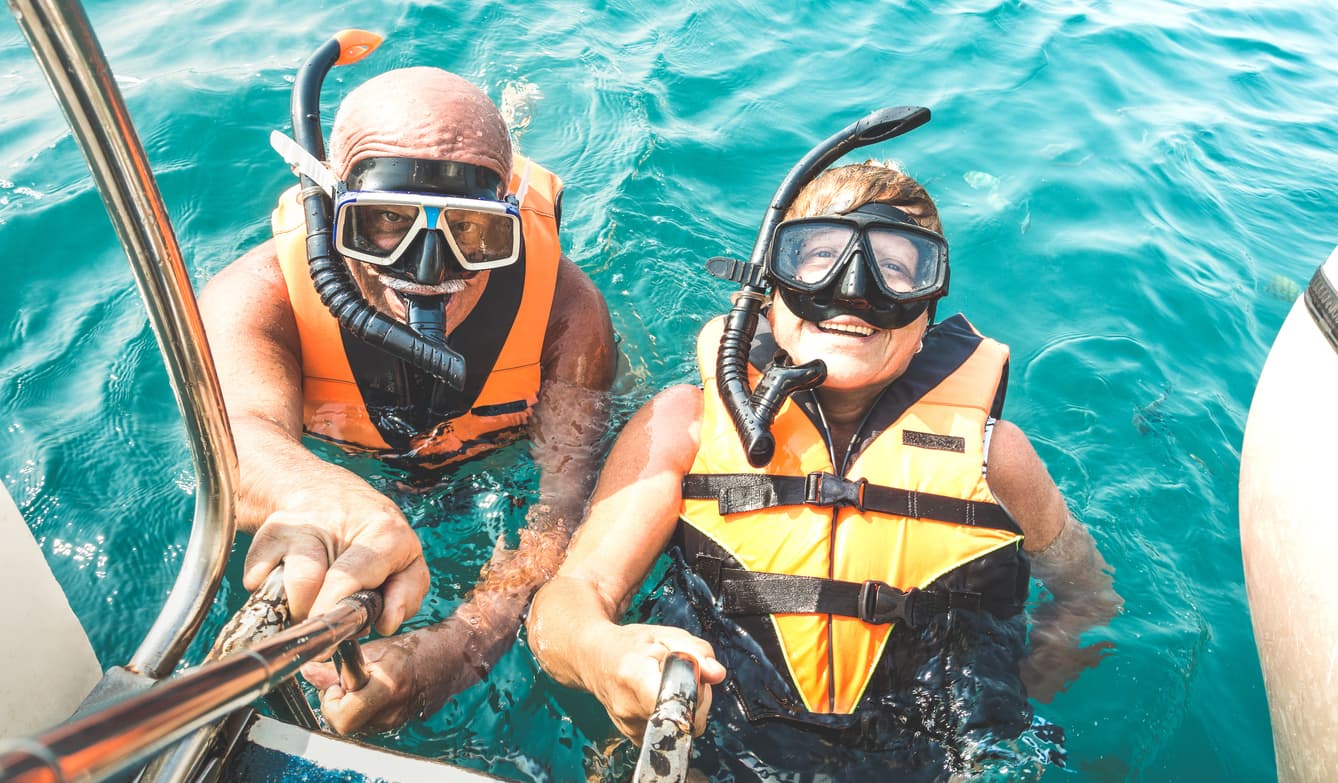
Explore the world's most spectacular coral reefs and discover why the Red Sea offers the planet's best snorkeling experiences
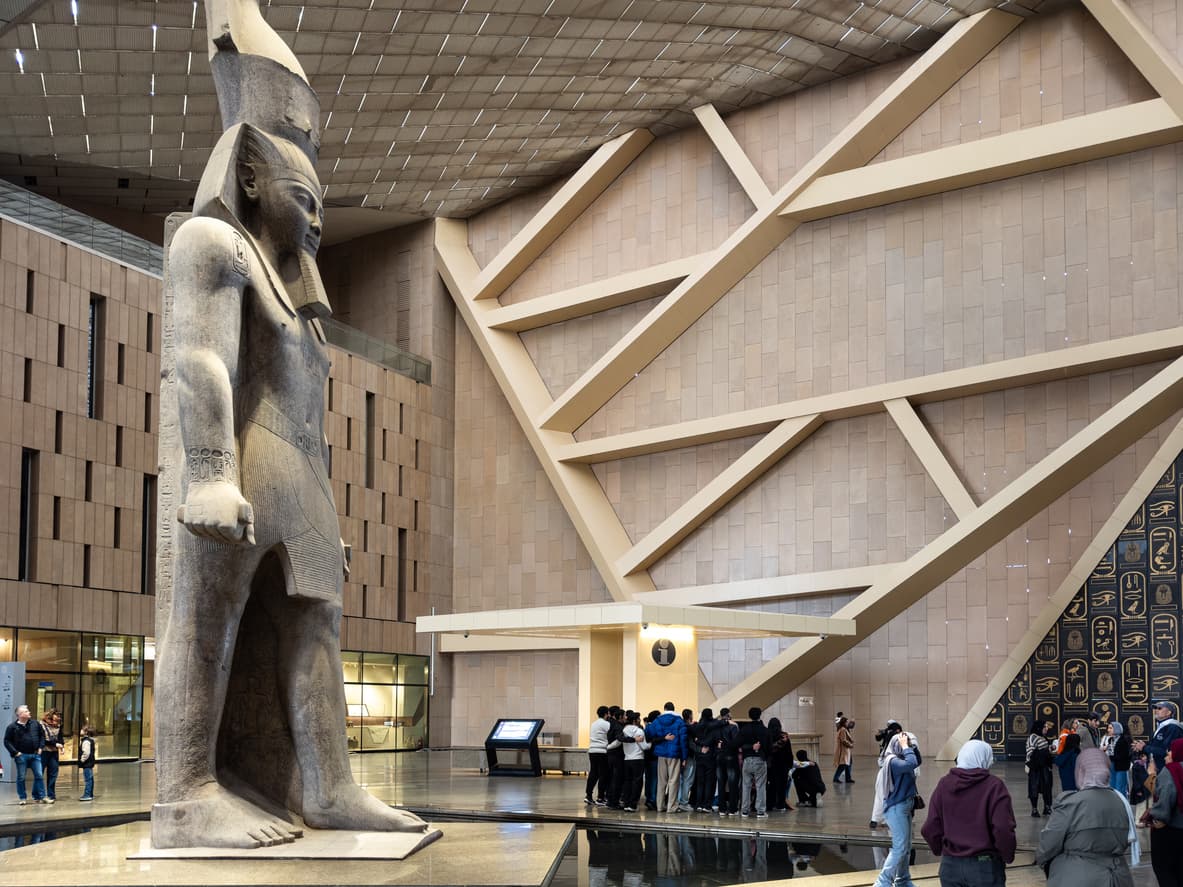
Your ultimate Grand Egyptian Museum Guide: explore highlights, practical advice, and insider tips to make the most of your museum adventure.
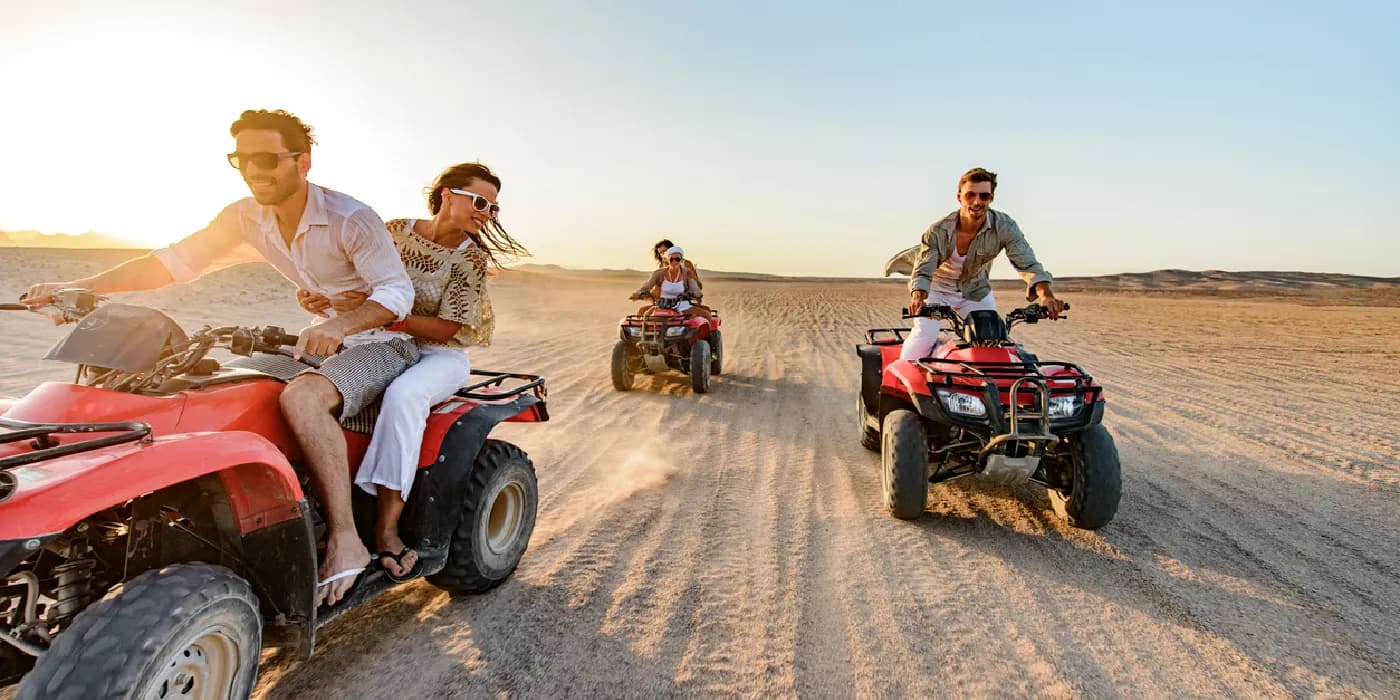
From the White Desert to Siwa Oasis, discover the best Egypt desert adventures, including stargazing, and unforgettable safari experiences.
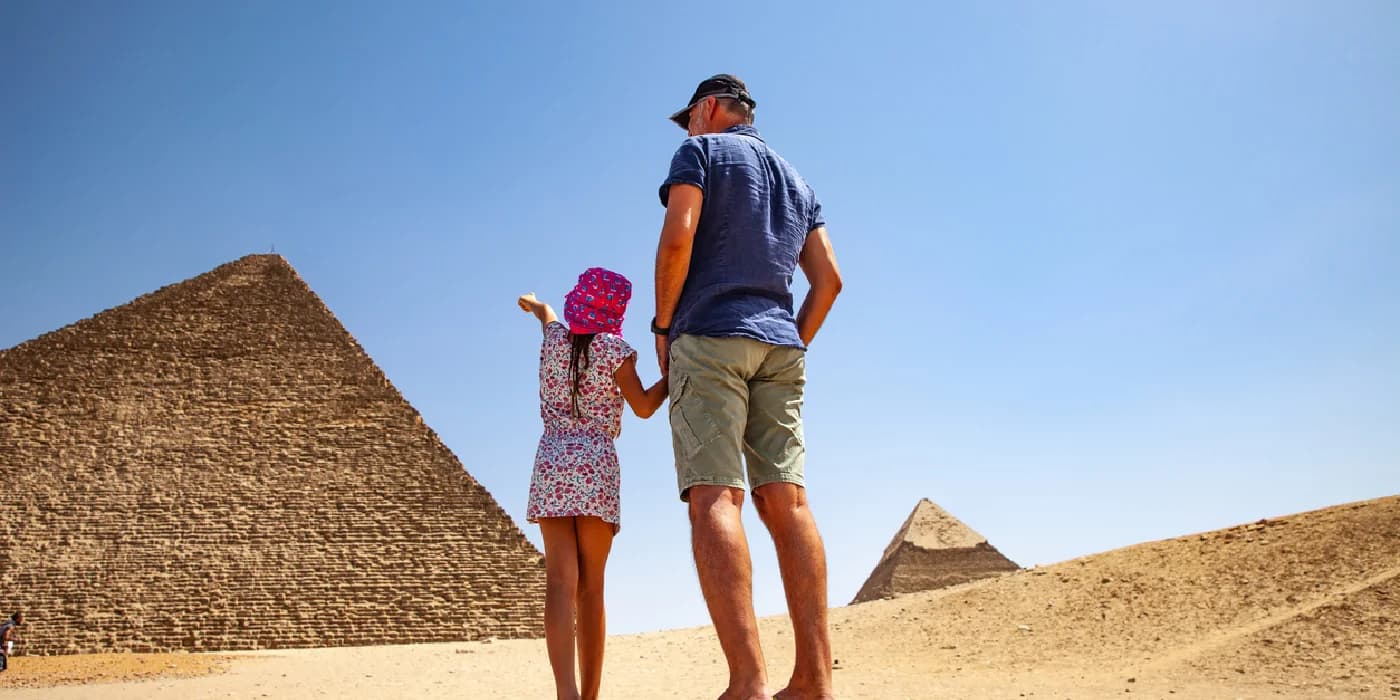
Discover the best places and activities for kids in Egypt, from the pyramids and Nile cruises to Red Sea beaches, and family-friendly experiences.


© Copyright 2026 Go All Egypt Tours. All Rights Reserved.