
Introduction
Introduction
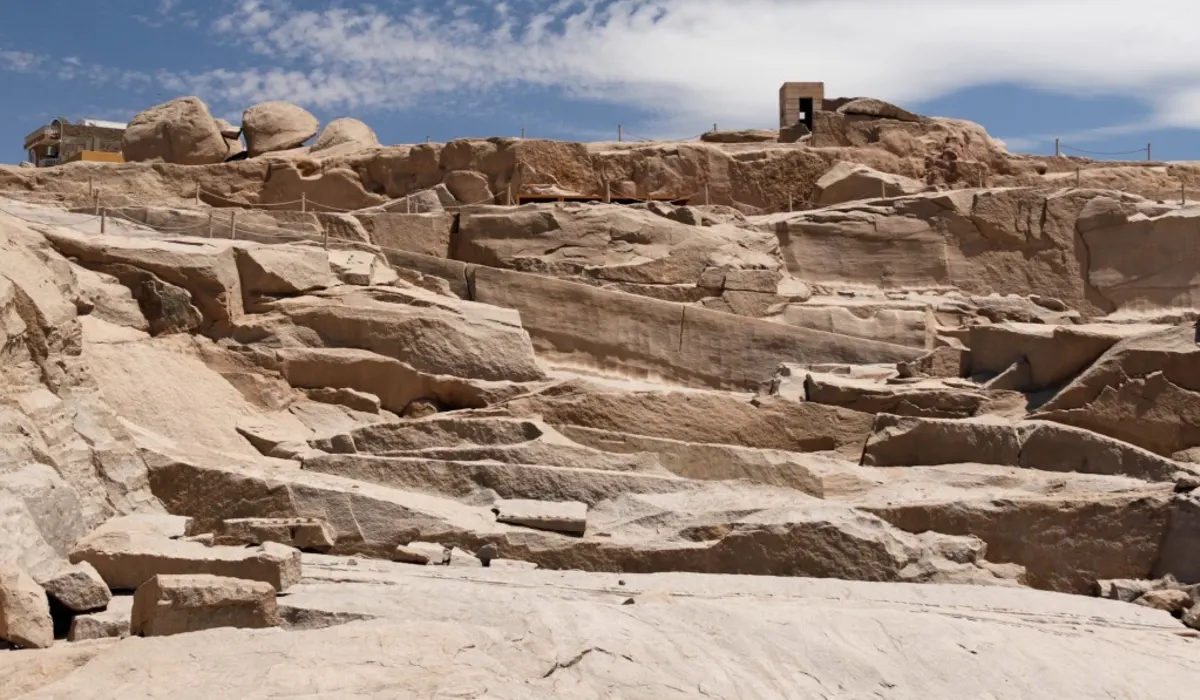
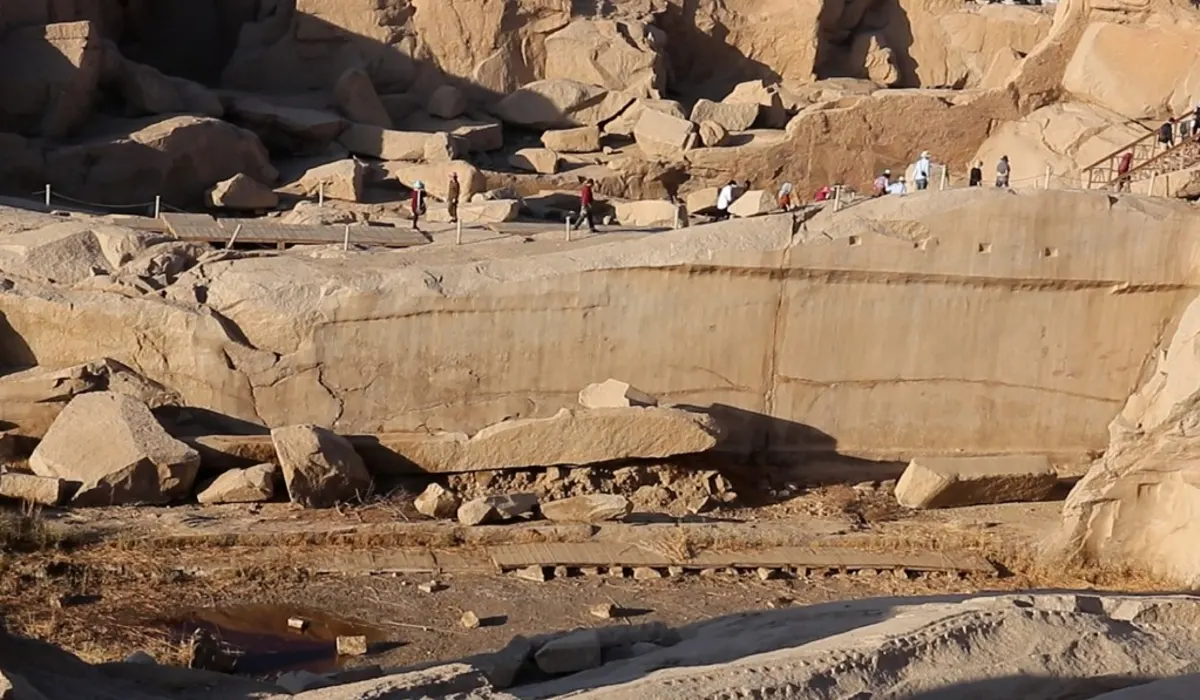
The Unfinished Obelisk, located in Aswan’s northern granite quarries, is one of the most remarkable remnants of Ancient Egyptian engineering. Believed to have been commissioned during the reign of Queen Hatshepsut in the 18th Dynasty, it was intended to stand as the largest obelisk in Egypt’s history. Unfortunately, a fatal crack in the stone led to its abandonment, leaving behind a massive but incomplete monument. Today, it remains in its original quarry, providing historians with a raw and unaltered glimpse into ancient stone-working techniques.
Ancient Engineering and Construction Techniques
Ancient Engineering and Construction Techniques
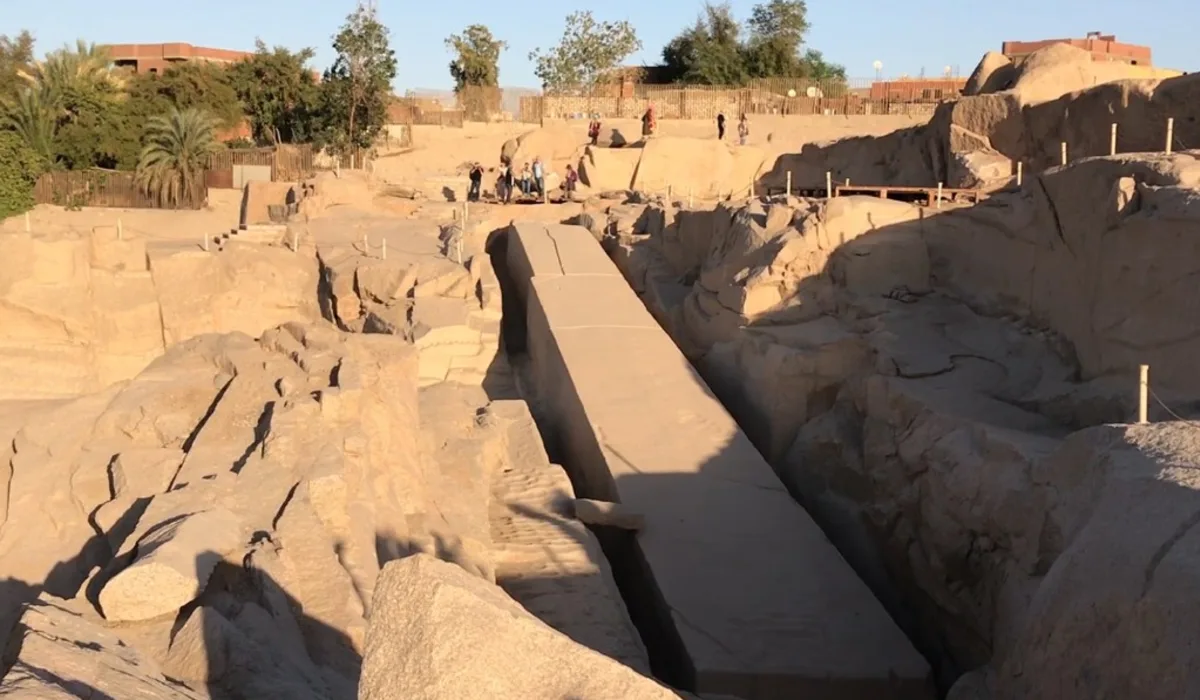
Measuring about 42 meters long and estimated to weigh around 1,200 tons, the Unfinished Obelisk would have dwarfed any obelisk ever erected. It offers unparalleled archaeological value because it reveals how ancient Egyptians used dolerite tools to carve directly into bedrock. The incomplete trenches and visible tool marks suggest a labor-intensive process, likely involving hundreds of workers over many months or even years. The site acts as a “time capsule,” preserving the exact moment when work was halted.
Why the Obelisk Was Never Finished
Why the Obelisk Was Never Finished
The obelisk was abandoned after a significant crack formed in the granite while it was still being carved. This flaw made it impossible to continue the work or to transport the stone safely. The decision to leave it in place, rather than rework or destroy it, turned the site into a natural museum of ancient error and learning. Unlike most ancient monuments that were completed and transported, the Unfinished Obelisk provides a rare story of imperfection in an otherwise highly controlled building tradition.
Archaeological and Tourist Importance
Archaeological and Tourist Importance
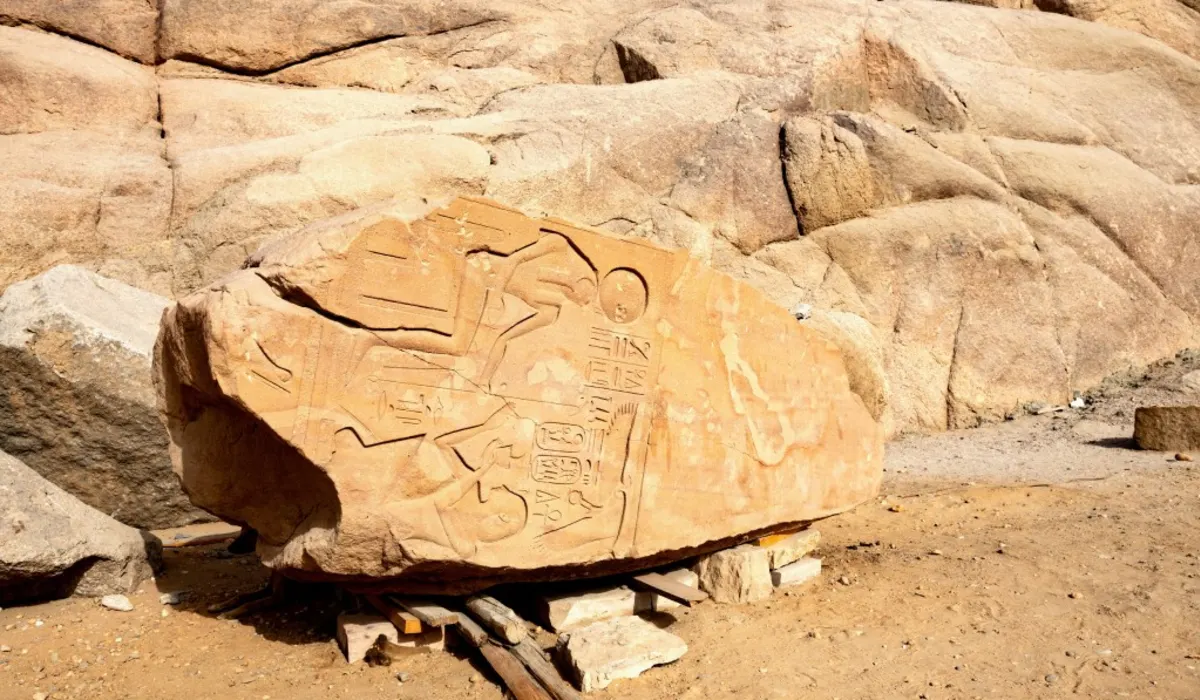
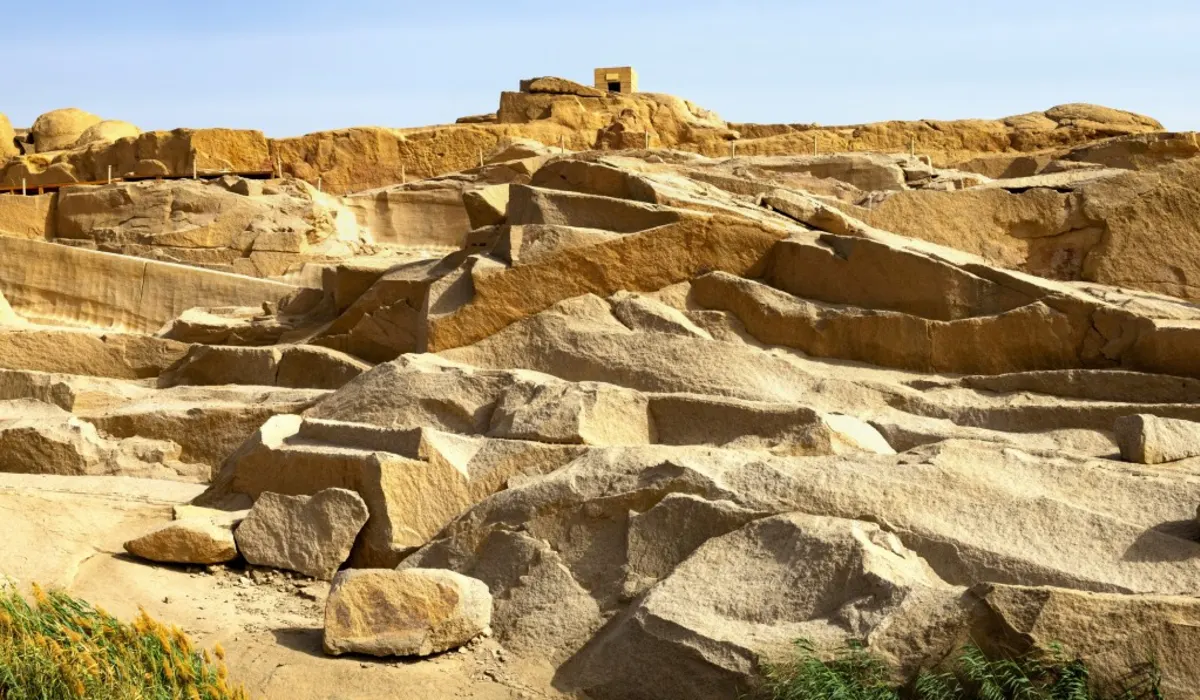
Today, the site of the Unfinished Obelisk is open to the public and considered one of Aswan’s most important historical attractions. Visitors can explore the quarry, observe the techniques used by ancient workers, and gain firsthand insight into the scale of Egypt’s engineering ambitions. The monument, while never raised, has become a vital source of knowledge for archaeologists studying ancient construction logistics. Its setting within the quarry enhances the experience, offering both context and authenticity to what was once a failed project.
Conclusion
Conclusion
Although it never stood tall among Egypt’s monuments, the Unfinished Obelisk stands out as a symbol of both human ambition and vulnerability. It tells a story not only of technical mastery but also of unforeseen obstacles in the ancient world. The site bridges the gap between Egypt’s monumental successes and the reality of its complex engineering efforts. For tourists, scholars, and history enthusiasts alike, the Unfinished Obelisk remains an essential chapter in the narrative of ancient Egyptian civilization.
FAQs about the Unfinished Obelisk of Egypt
Q1: Who ordered the Unfinished Obelisk to be built?
A: It is widely believed that Queen Hatshepsut commissioned the obelisk during Egypt’s 18th Dynasty.
Q2: Why is the obelisk unfinished?
A: A large crack developed in the granite during carving, making it unsafe and impractical to complete or transport.
Q3: How big is the Unfinished Obelisk?
A: It is approximately 42 meters (137 feet) long and would have weighed around 1,200 tons.
Q4: Where is it located?
A: The obelisk is still embedded in the granite quarry in Aswan, Egypt.
Q5: Can tourists visit the site?
A: Yes, the site is open to visitors and is a major attraction in Aswan for those interested in ancient Egyptian engineering.