

Most people who visit Egypt never make it to Alexandria.
They fly into Cairo, spend a few days at the Pyramids, maybe take a Nile cruise down to Luxor and Aswan, and fly home with a head full of ancient history and a phone full of sunset photographs.
And Alexandria sits quietly on the Mediterranean coast, 220 kilometers northwest of Cairo, waiting.
That's actually fine. It means Alexandria hasn't been overrun. It means the seafood restaurants on the Corniche still serve mostly Egyptian families rather than tour groups. It means you can wander the streets around the old quarter without fighting through selfie sticks at every corner.
But if you're planning an Egypt trip and you have even one extra day, take the train to Alexandria. It will give you a completely different Egypt from the one you expected.
Here's everything you need to know before you go.

Walk through Cairo, and you feel the weight of ancient Egypt everywhere — the Pharaonic monuments, the Islamic architecture, the bazaars that have been running continuously for centuries.
Walk through Alexandria, and you feel something else.
This is a Mediterranean city. The light here is softer. The pace is slower. There's a specific atmosphere — part Egyptian, part Greek, part Italian, part something that doesn't quite exist anywhere else — that comes from 2,300 years of being a crossroads between civilizations.
The city's Greek community was significant well into the 20th century. Italian influence shaped the architecture of entire neighborhoods. Jewish, Armenian, Syrian, and Levantine communities all left traces in the culture, the food, and the built environment that are still visible and edible today.
Alexandria is the Egypt that existed before the tourists arrived looking for pharaohs. It's worth the train ride.

Alexander the Great founded Alexandria in 331 BCE — strategically positioned where the Nile delta meets the Mediterranean, designed from the beginning to be the greatest city in the world.
For a while, it was.
Under the Ptolemaic Dynasty that ruled Egypt after Alexander's death, Alexandria became the intellectual capital of the ancient world. The Great Library of Alexandria — housing an estimated 400,000 to 700,000 scrolls — attracted scholars, mathematicians, philosophers, and scientists from across the known world. Euclid developed geometry here. Eratosthenes calculated the circumference of the earth here, with remarkable accuracy, in the 3rd century BCE.
The Pharos Lighthouse — built on a small island in Alexandria's harbor around 280 BCE — stood approximately 130 meters tall and was visible from 50 kilometers out to sea. It was considered one of the Seven Wonders of the Ancient World and guided ships into the harbor for over a thousand years before a series of earthquakes brought it down in the 14th century CE.
The Qaitbay Citadel — which you can visit today — was built on the exact site where the lighthouse once stood.
Rome arrived. Then Byzantium. Then the Arab conquest of 641 CE, which shifted Egypt's capital to Cairo and began Alexandria's long, slow decline from the world's most important city to a provincial port.
Napoleon passed through in 1798. The British arrived in the 19th century. The cosmopolitan mix of European communities that made Alexandria a literary and cultural byword in the early 20th century — celebrated in Constantine Cavafy's poetry and Lawrence Durrell's Alexandria Quartet — largely departed after Egyptian independence and the nationalizations of the 1950s and 60s.
What remains is a city still working out what it is — and that process of becoming is part of what makes it interesting.

Bibliotheca Alexandrina
The Bibliotheca Alexandrina is the modern successor to the ancient Library of Alexandria. Opened in 2002, it is located on the seafront near the site of the original library. The building itself is striking, featuring a massive circular disc made of grey Aswan granite, tilted toward the sea. Its exterior walls are engraved with letters and symbols from 120 different writing systems.
Inside, visitors can find millions of books, a planetarium, four museums, and a permanent art gallery. The ancient manuscripts collection is particularly impressive, as it includes documents that have survived when much of the ancient world’s writings have not.
Practical details: The library is open Sunday to Thursday from 10 am to 7 pm, and Friday to Saturday from 3 pm to 7 pm. Entry to the main library costs approximately 70 EGP, with additional fees for access to the museums and planetarium. The library is located directly on the Corniche.
Qaitbay Citadel
The Qaitbay Citadel was built in 1477 CE by Sultan Qaitbay at the eastern tip of Alexandria's harbor, on the exact site where the Pharos Lighthouse once stood. This 15th-century fortress is one of the most dramatically positioned monuments in Egypt.
From the upper ramparts, visitors can enjoy breathtaking views across the harbor, with the Mediterranean Sea stretching to the north and the city of Alexandria behind them. On clear days, the light here is spectacular, particularly in the late afternoon when the stone appears golden.
The interior of the citadel houses a small maritime museum, but the primary reason to visit is for the stunning location and views.
Practical details: The citadel is open daily from 9 am to 5 pm, with entry costing approximately 180 EGP. It is located at the tip of the Eastern Harbor, making it easily walkable from the Corniche.

One of Alexandria's most surprising discoveries — a Roman amphitheater uncovered in the 1960s during construction work, now fully excavated and open to visitors in the middle of the city.
The theater dates to the 2nd century CE and is the only Roman-style amphitheater ever found in Egypt. Thirteen white marble terraces remain intact. The acoustics still work — stand in the center and speak normally, and someone at the top can hear you clearly.
The surrounding excavation site reveals Roman-era baths, villas, and lecture halls — an entire neighborhood of ancient Alexandria exposed beneath the modern city.
Practical details: Open daily 9 am–5 pm. Entry approximately 180 EGP. Located in central Alexandria near Misr Station.
Alexandria's most underrated attraction and genuinely one of the most extraordinary ancient sites in Egypt, though almost no one outside Alexandria knows it exists.
These are Roman-era catacombs dating to the 2nd century CE, discovered in 1900 when a donkey accidentally fell through a hole in the ground into the burial chambers. Three levels of rock-cut tombs descend underground, blending Egyptian, Greek, and Roman artistic styles in a way that exists nowhere else — sphinxes wearing Roman armor, gods depicted in multiple religious traditions simultaneously, reliefs that switch between hieroglyphic and Greek visual language mid-wall.
The Main Tomb at the lowest level, with its carved columns, painted ceiling, and serene stillness, is extraordinary.
Practical details: Open daily 9 am–5 pm. Entry approximately 180 EGP. Located in the Karmouz district — best reached by taxi from the city center.
The former summer residence of Egypt's royal family, Montaza Palace, sits on a private headland on Alexandria's eastern edge, surrounded by 150 acres of gardens that stretch down to the Mediterranean.
The palace itself is not open to the public, but the gardens are — and they're worth the trip. Walkways through pine and palm trees, views across the sea, the ornate Salamlek and Haramlik pavilions visible through the trees. There's a public beach at the bottom of the gardens where Alexandrians spend summer afternoons.
Practical details: Gardens open daily. Entry approximately 25 EGP. Located in the Montaza district, 30 minutes by taxi from central Alexandria.
One of the most beautiful mosques in Egypt and one of the most important Islamic monuments in Alexandria — a 20th-century reconstruction of a 14th-century original, built over the tomb of a 13th-century Andalusian Sufi saint who arrived in Alexandria from Spain.
The interior is serene and beautiful, with high vaulted ceilings, marble floors, and stained glass that fills the space with colored light. Non-Muslim visitors are welcome outside of prayer times.
Practical details: Open daily, closed during prayer times. Free entry. Located in the Anfoushi district near the Eastern Harbor — walking distance from Qaitbay Citadel.

Alexandria's relationship with the sea is different from that of the Red Sea resorts.
This isn't about coral reefs and diving. This is a Mediterranean beach culture — waves, sand, promenades, families, and the specific atmosphere of a city that has been cooling off at the seaside for centuries.
The Corniche runs for 32 kilometers along Alexandria's seafront — one of the longest seafront promenades in the world. Walking its length at sunset, with the Mediterranean on one side and the city's layered architecture on the other, is one of the great urban walks in Egypt.
Stanley Beach — midway along the coastline — is one of Alexandria's most popular and most photographed beaches, with the iconic Stanley Bridge arching above it. It gets busy on summer weekends but offers a genuine Alexandrian beach experience — families, street food, and the sound of Arabic and the sea mixing.
Montaza Beach at the eastern end of the city is cleaner and more organized, with the palace gardens behind it. It's the beach Alexandrians take their children to when they want calm water and shade.
Mamoura Beach, beyond Montaza, is the most peaceful stretch — less visited, cleaner, and with a quieter atmosphere that suits early morning walks before the day heats up.
Best time for Alexandria beaches: June to September. The Mediterranean summer here is warm but not overwhelming — sea breezes keep the temperature manageable, and the water is perfect.

Alexandria has the best seafood in Egypt. This is not a controversial opinion — Egyptians across the country will tell you the same thing.
Fresh fish is the reason to eat in Alexandria. The fish market at the Eastern Harbor has been selling the morning's catch for generations. Pick your fish — sea bass, red mullet, sole, prawns, calamari — and take it to one of the surrounding restaurants to be grilled simply with lemon and olive oil. The process feels old and honest and correct.
Sayyadiya is Alexandria's signature fish dish — a whole fish baked over spiced caramelized onion rice with cumin, turmeric, and coriander. It's found across Egypt, but nowhere does it as well as in Alexandria. Order it at a proper Alexandrian fish restaurant rather than a tourist-facing establishment.
Feteer meshaltet — a flaky, layered pastry made by stretching dough to near-translucency and folding it repeatedly with butter — is an Egyptian institution, but Alexandria makes it with particular care. Eaten sweet with honey or savory with cheese, it's the breakfast that belongs here.
Koshari — Egypt's beloved street food of rice, lentils, pasta, fried onions, and tomato sauce — is everywhere, as it is across Egypt. But Alexandria's versions tend toward a slightly different spice balance. The koshari cart outside Misr Station has been running for decades.
The Greek pastry legacy is still quietly visible in Alexandria's bakeries — kourambiedes (butter cookies), baklava made with a lighter hand than the Turkish version, and spanakopita-adjacent pastries in the older neighborhoods. You have to look for them, but they're there.
Where to eat: The Bahari area near the Eastern Harbor has the most authentic seafood restaurants. Avoid the tourist-facing restaurants on the main Corniche strip in favor of the narrower streets behind them.

The Cavafy Museum is the apartment where the Greek-Alexandrian poet Constantine Cavafy lived from 1907 until he died in 1933. Two rooms were preserved more or less as he left them. His poems — about desire, memory, the Hellenistic world, and the specific melancholy of Alexandria — are among the most beautiful written in the 20th century. The museum is small, quiet, and almost never crowded.
The Alexandria National Museum — housed in a beautifully restored Italian-style palace in the city center, covering Alexandria's history from the Pharaonic period through the Islamic era to the modern city. Three floors, well-curated, and far less visited than its quality deserves. The basement Greco-Roman collection is exceptional.
The old Greek neighborhood of Attarine — a district of antique shops, old buildings in various states of beautiful decay, and the lingering atmosphere of Alexandria's cosmopolitan 20th century. Walking here on a quiet morning, stopping for coffee at a café that has clearly been in the same family for generations, is the closest you get to the Alexandria of Durrell and Cavafy.
The fish market at dawn — if you can get there by 6 am, the Eastern Harbor fish market is one of the great sensory experiences of Egyptian travel. The boats come in with the night's catch. The bidding happens fast, in Arabic, with hand signals. The smell is intense. The light is extraordinary. Nobody is there to perform for tourists.
How to get from Cairo to Alexandria: The train is the best option — fast, comfortable, and genuinely pleasant. Spanish Talgo trains run the route in approximately 2 hours and cost around 100–200 EGP ($3–6 USD) depending on class. Trains depart from Ramses Station in Cairo throughout the day. Book tickets at the station or through the Egyptian National Railways website.
By car or bus, the journey takes 3–4 hours depending on traffic on the Desert Road.
Getting around Alexandria: The city is large, but the main attractions concentrate around the Eastern Harbor and the Corniche. Taxis are cheap and plentiful — agree on a price before getting in. Uber and Careem both operate in Alexandria. The city tram is old, slow, and charming — useful for the experience rather than the speed.
Where to stay: The Corniche area gives you sea views and easy access to the Eastern Harbor attractions. The San Stefano area (mid-city) is popular and well-connected. For a more local experience, the Roushdy neighborhood has good cafés and restaurants away from the tourist circuit.
Budget: $30–$50 per night for a decent guesthouse. Mid-range: $60–$120 for a good hotel with sea views. The Four Seasons Alexandria at San Stefano is the luxury option at $200+ per night.
Visa: Egypt's e-Visa covers Alexandria — apply online before travel through the official Egyptian e-Visa portal. Most nationalities can also get a visa on arrival at Cairo Airport.
Currency: Egyptian Pound (EGP). ATMs are widely available. Credit cards accepted at hotels and larger restaurants. Carry cash for markets, street food, and smaller cafés.
June to September is the best time for beaches and the Mediterranean coastal experience — warm, sunny, and cooled by sea breezes that make the heat manageable. This is peak domestic tourism season — Alexandrian hotels fill with Egyptian families escaping Cairo's heat.
March to May and October to November are the best times for sightseeing — mild temperatures, lower hotel rates, and smaller crowds at the major attractions.
December to February is quiet and occasionally rainy, but atmospheric. The city is largely empty of tourists, and the Corniche has a melancholy winter beauty that suits the literary mood Alexandria inspires.
1. How far is Alexandria from Cairo, and how long does it take to get there?
Alexandria is 220 kilometers northwest of Cairo. By train — the recommended option — the journey takes approximately 2 hours on the fast Talgo service. By car or bus, it takes 3–4 hours, depending on traffic. Direct trains depart from Ramses Station in central Cairo throughout the day from early morning.
2. Is Alexandria, Egypt worth visiting?
Yes — especially for travelers who want to experience a different side of Egypt beyond the Pharaonic monuments. Alexandria offers a Mediterranean atmosphere, exceptional seafood, a fascinating layered history spanning Greek, Roman, Byzantine, and Islamic civilizations, and a pace of life that feels genuinely different from Cairo. It works well as a day trip from Cairo or as a 2–3 night stay on its own.
3. What is Alexandria Egypt famous for?
Alexandria is famous for the ancient Library of Alexandria — once the greatest repository of knowledge in the ancient world — and the Pharos Lighthouse, one of the Seven Wonders of the Ancient World. Today it is known for its Mediterranean seafood, its cosmopolitan cultural heritage, the modern Bibliotheca Alexandrina, the Qaitbay Citadel, and its 32-kilometer Corniche promenade along the Mediterranean.
4. How many days do you need in Alexandria?
Two full days is the ideal minimum — one day for the major historical attractions (Bibliotheca Alexandrina, Qaitbay Citadel, Roman Amphitheater, Catacombs) and one day for the beaches, the fish market, the food, and the slower pleasures of wandering. Three days allow you to go deeper — the Cavafy Museum, Attarine antique district, Montaza Palace gardens, and a proper seafood lunch at the harbor.
5. Can you visit Alexandria as a day trip from Cairo?
Yes — and many people do. The 2-hour train journey makes it feasible to leave Cairo at 8 am, spend a full day in Alexandria, and return in the evening. However, Alexandria rewards staying overnight. The city changes mood in the evening — the Corniche at sunset, dinner at a harbor-side fish restaurant, the quieter streets after the day visitors have returned to Cairo — these are things you can't get on a day trip.
Find Related Tours

All Egypt Tours Magazine
Explore the world's most spectacular coral reefs and discover why the Red Sea offers the planet's best snorkeling experiences
Your ultimate Grand Egyptian Museum Guide: explore highlights, practical advice, and insider tips to make the most of your museum adventure.

From the White Desert to Siwa Oasis, discover the best Egypt desert adventures, including stargazing, and unforgettable safari experiences.
Discover the best places and activities for kids in Egypt, from the pyramids and Nile cruises to Red Sea beaches, and family-friendly experiences.
Explore traditional Egyptian desserts with this complete guide. Discover basbousa, kunafa, om ali & more sweet treats that make Egypt's cuisine amazing!
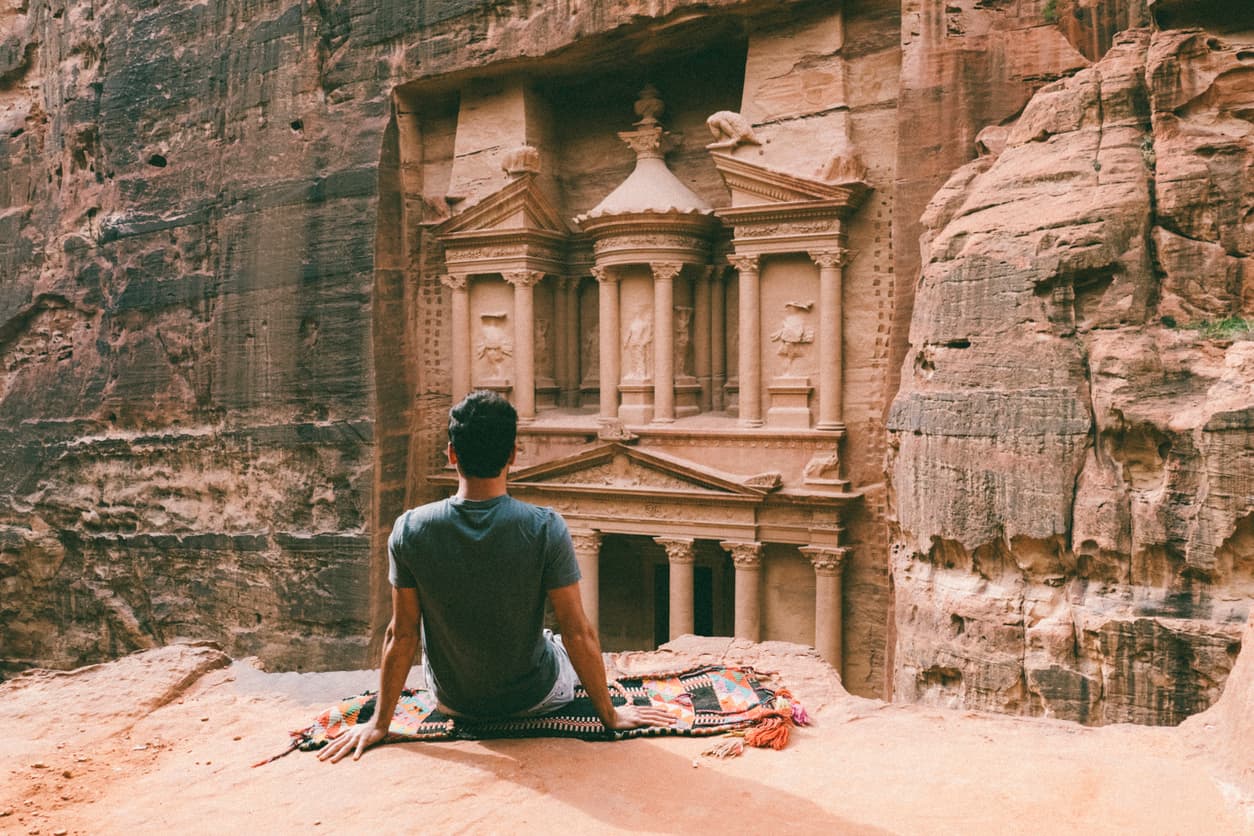
Master the Egypt-Jordan border crossing at Taba-Aqaba. Complete guide with visa info, costs, transport options & pro tips for hassle-free travel.
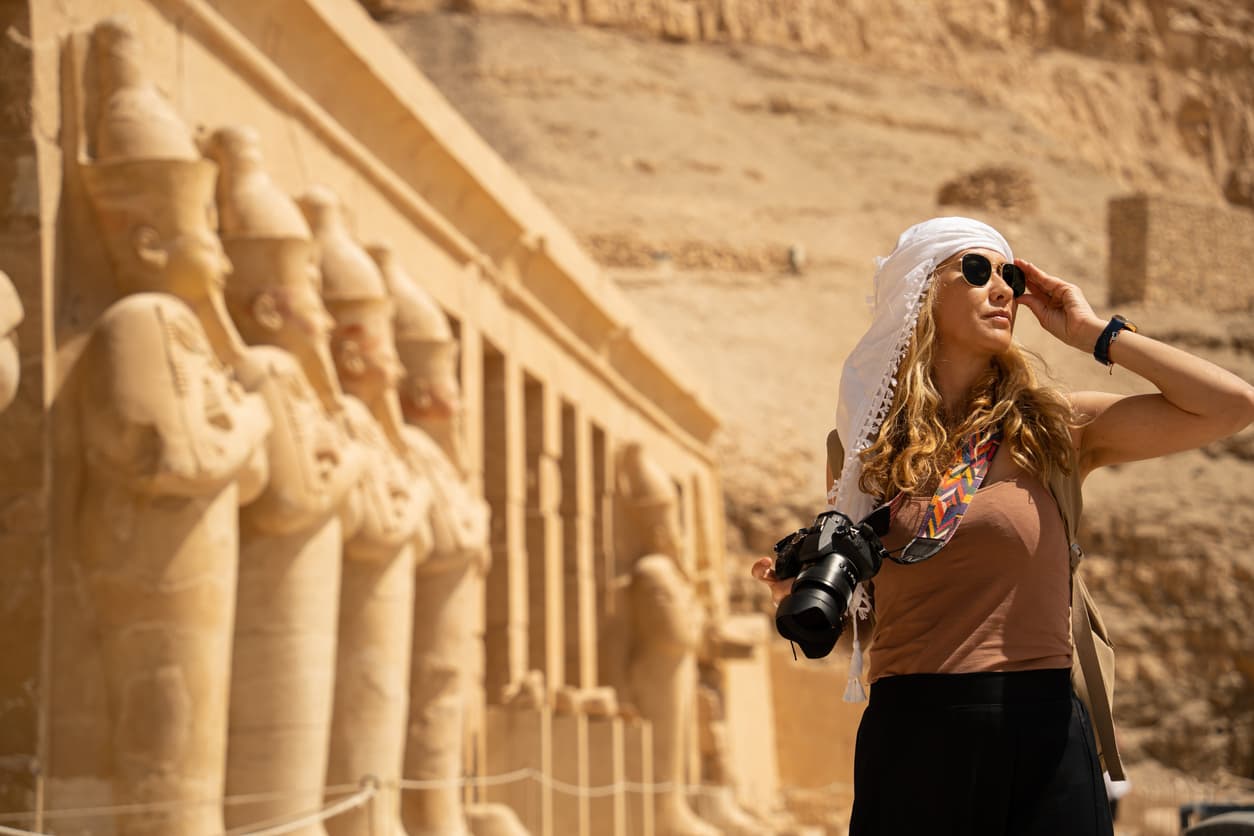
Discover Luxor's top 10 must-visit attractions including ancient temples, royal tombs & stunning monuments. Your ultimate guide to Egypt's greatest city!


© Copyright 2026 Go All Egypt Tours. All Rights Reserved.

