
Egypt's Nubian villages offer visitors a rare glimpse into one of the world's oldest living cultures. Located near Aswan in Upper Egypt, these colorful riverside communities preserve traditions, architecture, and customs that have survived for thousands of years along the Nile.
From vividly painted houses and warm hospitality to authentic handicrafts and scenic boat rides, a visit to a Nubian village is far more than a simple sightseeing tour—it is a cultural experience filled with history, connection, and unforgettable memories.
This guide explores everything you need to know before visiting Nubian villages in Aswan, including transportation, local traditions, activities, and travel tips.
Planning Your Visit to Nubian Village in Aswan Egypt
Gharb Soheil and Elephantine Island
Two primary destinations await your exploration along the Nile's western shore near Aswan. Gharb Soheil stands as the most frequented Nubian settlement, positioned approximately 3 miles south of the city. Elephantine Island presents an alternative experience with its smaller yet equally authentic Nubian community, providing visitors with distinct cultural perspectives to consider.
Transportation to the Nubian Village
Water transport forms an integral element of your Nubian village experience rather than merely a means of arrival. Traditional feluccas and modern motorboats launch regularly from Aswan's Corniche, particularly near the distinguished Sofitel Legend Old Cataract Hotel. Standard journey times range from 20 to 30 minutes, though certain routes may extend to 40 minutes based on departure points and vessel selection.
Feluccas deliver an unhurried, wind-dependent voyage that allows for contemplative Nile observation, while motorboats ensure quicker passage with scheduling flexibility. Private vessel arrangements accommodate personalized itineraries, whereas regular shuttle services maintain departures every 30 minutes from Aswan Port.
Entrance Fees and Costs
Access to these communities requires only transportation costs, as villages impose no admission charges.
Best Time to Visit
Optimal visiting conditions occur between October and April when temperatures favor comfortable exploration. Egypt's summer months bring intense heat that can hinder enjoyable village walks, making cooler seasons considerably more suitable for extended visits.
Essential Travel Tips
Essential items for your excursion include photography equipment, sturdy walking footwear, protective eyewear, and high-factor sun protection.
Midday sun protection demands adequate headwear, while cash remains necessary for local transactions since electronic payment methods aren't available. Winter expeditions benefit from additional clothing layers to accommodate cooler evening temperatures.

Discovering Nubian Culture and Daily Life
The Meaning Behind Nubian House Colors
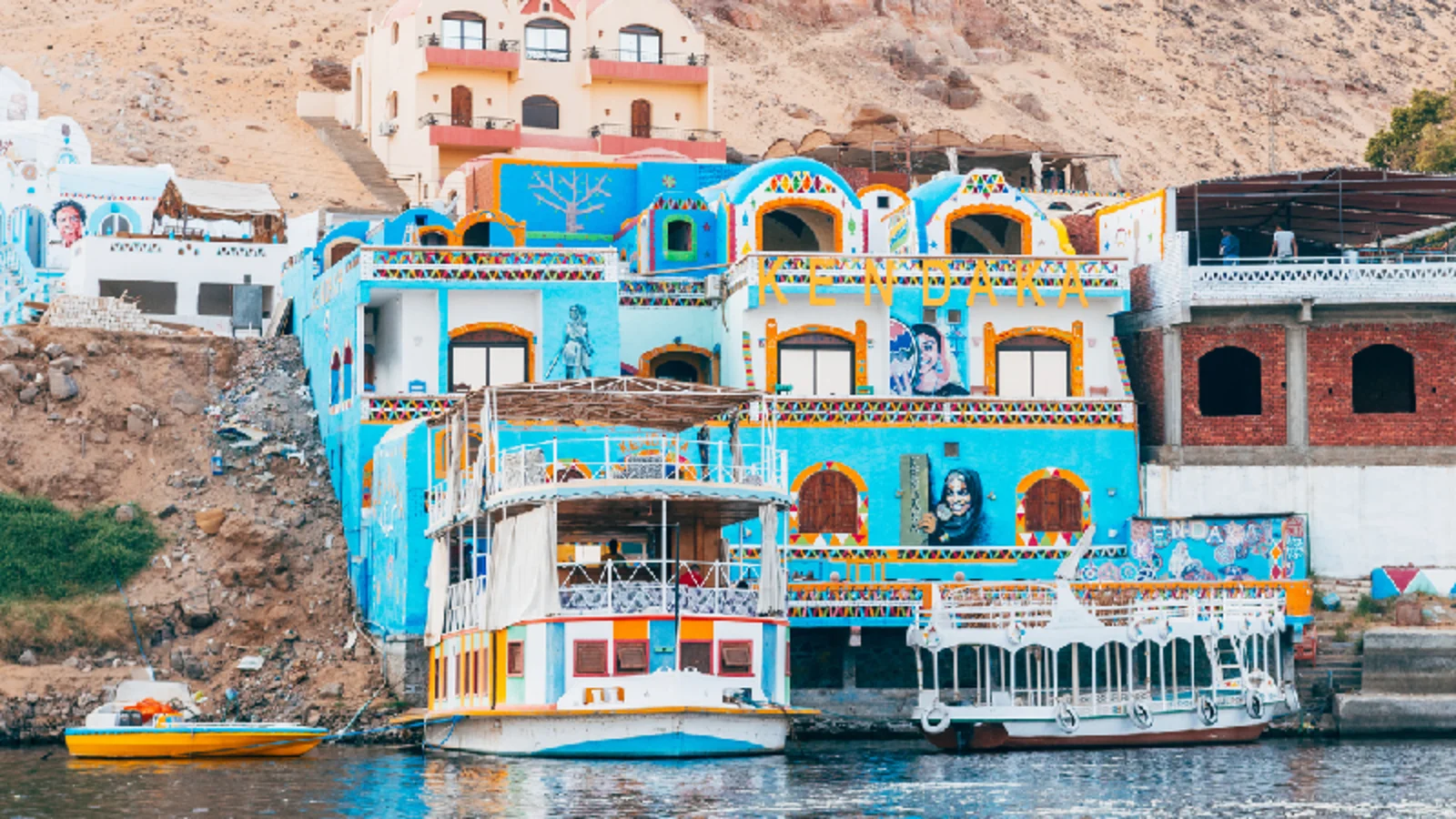
The streets of Nubian settlements unfold like an artist's palette, where every dwelling tells a story through deliberate splashes of azure, emerald, amber, and coral. Each hue carries profound cultural significance that extends far beyond mere aesthetics.
The deep blues honor the life-giving Nile that has sustained these communities for millennia, while verdant greens celebrate agricultural abundance and prosperity. Brilliant oranges and yellows serve as expressions of gratitude to the desert sun that bathes this region in golden light.
Traditional Nubian Architecture
Traditional Nubian architecture demonstrates remarkable adaptation to the harsh desert environment. Master builders craft these dwellings using indigenous materials—palm fronds, river mud, local timber, gypsum, and desert sand—all sourced from the immediate landscape.
The distinctive domed rooflines serve a practical purpose beyond their visual appeal, creating natural ventilation systems that circulate air efficiently while preventing heat accumulation.
Family Life and Artistic Expression
Family dynamics reveal themselves through the construction process itself, where women take active roles in both building and embellishing homes, showcasing their central position within Nubian society.
The exterior walls become canvases for artistic expression, featuring intricate depictions of regional flora and fauna—date palms swaying in river breezes, crocodiles basking along muddy banks, and camels traversing endless dunes. Welcoming messages appear in both Arabic script and ancient Nubian characters, often accompanied by sacred Quranic verses that bless each household.
Nubian Language and Heritage
The linguistic heritage of these communities reflects remarkable diversity, with Nubian speakers maintaining five distinct language variations: Nobiin, Kenzi, Midob, Birgid, and Kordofan Nubian, alongside fluent Arabic.
Nubian Hospitality
Perhaps most memorable for visitors is the genuine warmth that defines Nubian social customs. Spontaneous invitations for mint tea occur without expectation of reciprocation, as locals delight in sharing stories and forging connections with strangers. This authentic hospitality creates a stark contrast to the commercial interactions typical of other Egyptian tourist destinations.

Activities and Experiences in the Village
Camel Rides Through the Village
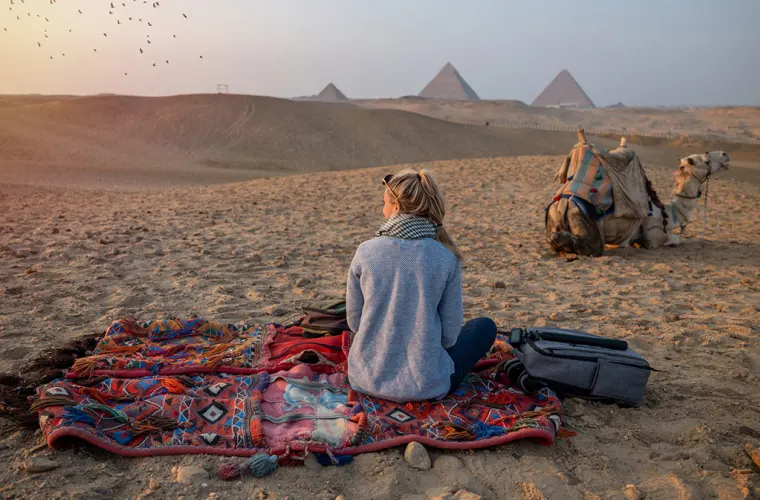
Desert traditions come alive through camel excursions that traverse the village pathways, offering visitors intimate perspectives of Nubian life against the backdrop of the eternal Nile.
These gentle journeys provide more than mere transportation—local camel handlers share ancestral knowledge passed down through generations, weaving tales of desert survival and the deep bonds between Nubians and their beloved animals.
Shopping for Nubian Handicrafts
Market squares burst with the creativity of local artisans, where each handcrafted piece tells a story of cultural preservation.
Skilled women demonstrate ancient techniques before your eyes, transforming raw materials into extraordinary works of art through pottery making, textile weaving, basket creation from palm leaves, and leatherwork.
The vibrant displays feature geometric jewelry that mirrors traditional Nubian patterns, intricately woven caps showcasing dazzling designs, and palm leaf baskets adorned in brilliant colors.
Every purchase directly supports the families who have maintained these artistic traditions for centuries.
Henna Art and Traditional Symbols
Among the most cherished customs is the art of henna decoration, a practice that has flowed through Nubian families for countless generations.
Master artists create intricate patterns featuring sacred Nubian and Pharaonic motifs, including the revered Key of Life and the protective Eye of Horus, symbols that embody hope and optimism. The natural henna powder, derived from riverside shrubs and carefully ground before mixing with water, creates temporary masterpieces that fade gracefully while leaving lasting memories.
Visiting Nubian Homes
The pinnacle of Nubian hospitality unfolds within family homes, where strangers become honored guests over steaming glasses of fresh mint tea.
These intimate gatherings feature authentic Nubian cuisine prepared with generations-old recipes, creating profound cultural exchanges that extend far beyond conventional tourism. Each shared meal becomes a bridge between worlds, fostering genuine connections that exemplify the warmth and generosity that define Nubian society.

A visit to the Nubian villages near Aswan offers one of Egypt’s most authentic cultural experiences. Beyond the colorful streets and scenic Nile views, travelers discover a welcoming community proud of its traditions, craftsmanship, and heritage.
Whether you arrive by felucca, explore local markets, enjoy traditional Nubian tea, or simply walk through the painted alleyways, the experience leaves a lasting impression. The Nubian villages are not only a highlight of Aswan—they are a reminder of the deep cultural richness that continues to thrive along the Nile today.

1. Where is the Nubian Village located in Egypt?
Nubian villages are located on the west bank of the Nile near Aswan in Upper Egypt, with popular villages like Gharb Soheil and areas on Elephantine Island.
2. How do I get to the Nubian Village?
You can reach the village by a short motorboat or traditional felucca ride from Aswan Corniche. The journey usually takes 20–40 minutes.
3. Is there an entry fee for Nubian Village?
No, there is no entrance fee. You only pay for transportation and any optional activities or shopping.
4. What is the best time to visit Nubian Village?
The best time to visit is from October to April when the weather is cooler and more comfortable for walking and exploring.
5. What can I do in Nubian Village?
You can enjoy a boat ride on the Nile, explore colorful houses, visit local families, try Nubian food, shop handicrafts, and experience henna art and camel rides.
6. Is a Nubian Village tour suitable for families?
Yes, it is a family-friendly experience and suitable for all ages, offering cultural interaction and relaxed sightseeing.