
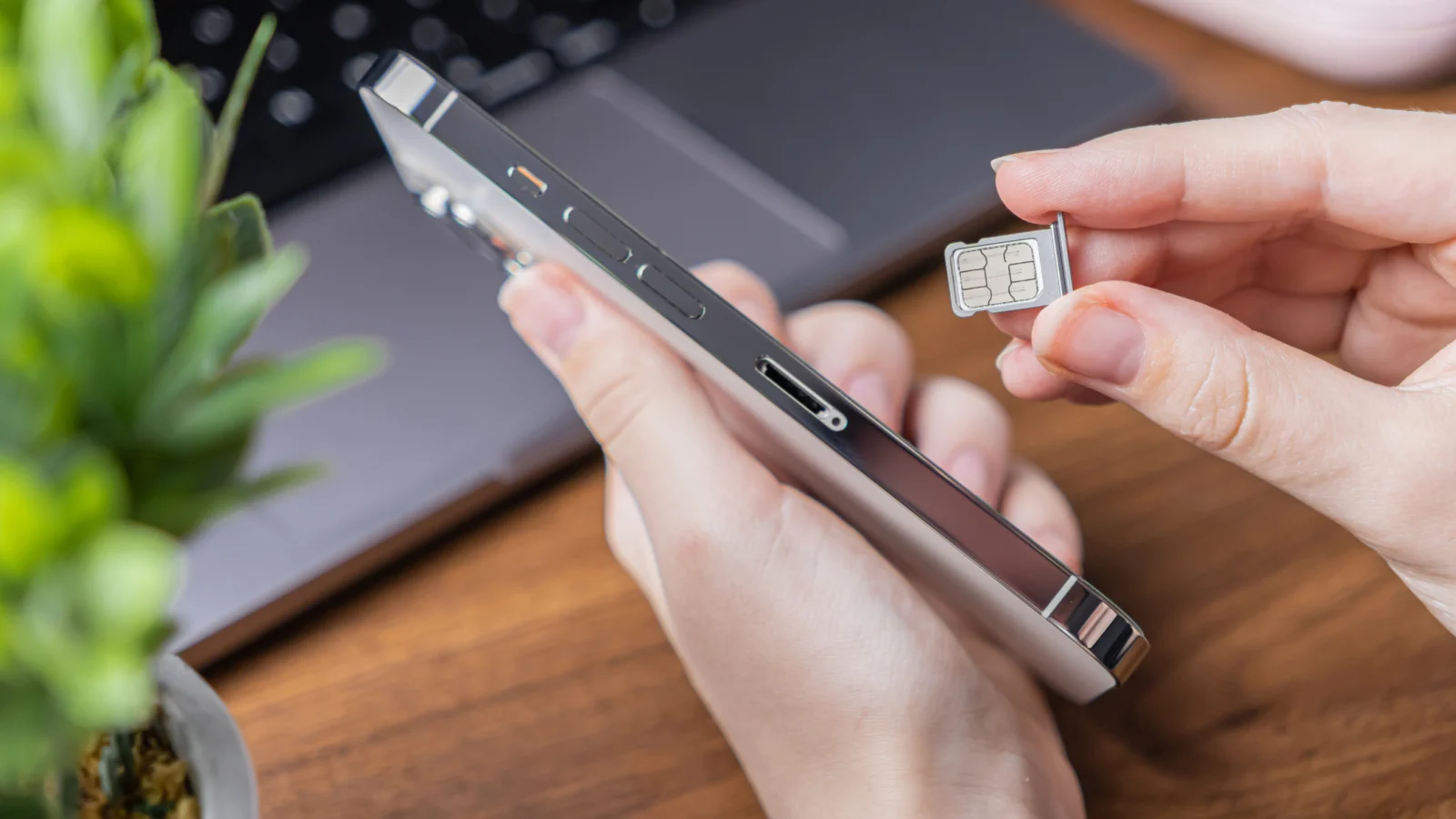
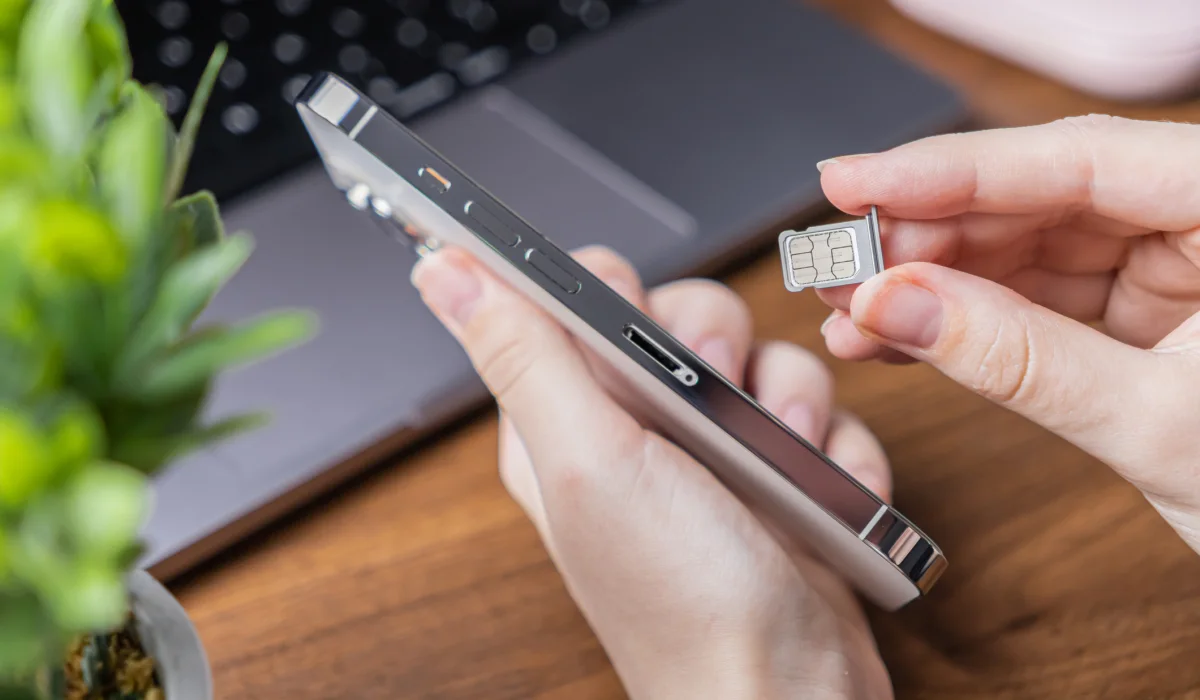
You need two things: a plug adapter and a way to get online. Every Egypt power outlet takes the European two-round-pin plug (Type C or F) at 220 volts, so US visitors need an adapter. For data, a local tourist SIM costs only a few dollars for 20 GB or more, or you can install an eSIM before you fly. Free Wi-Fi is common in hotels and cafés, but it is often slow, so mobile data is the more reliable choice. This guide covers plugs, voltage, SIM cards, eSIMs, phone rules and Wi-Fi in plain, practical terms.
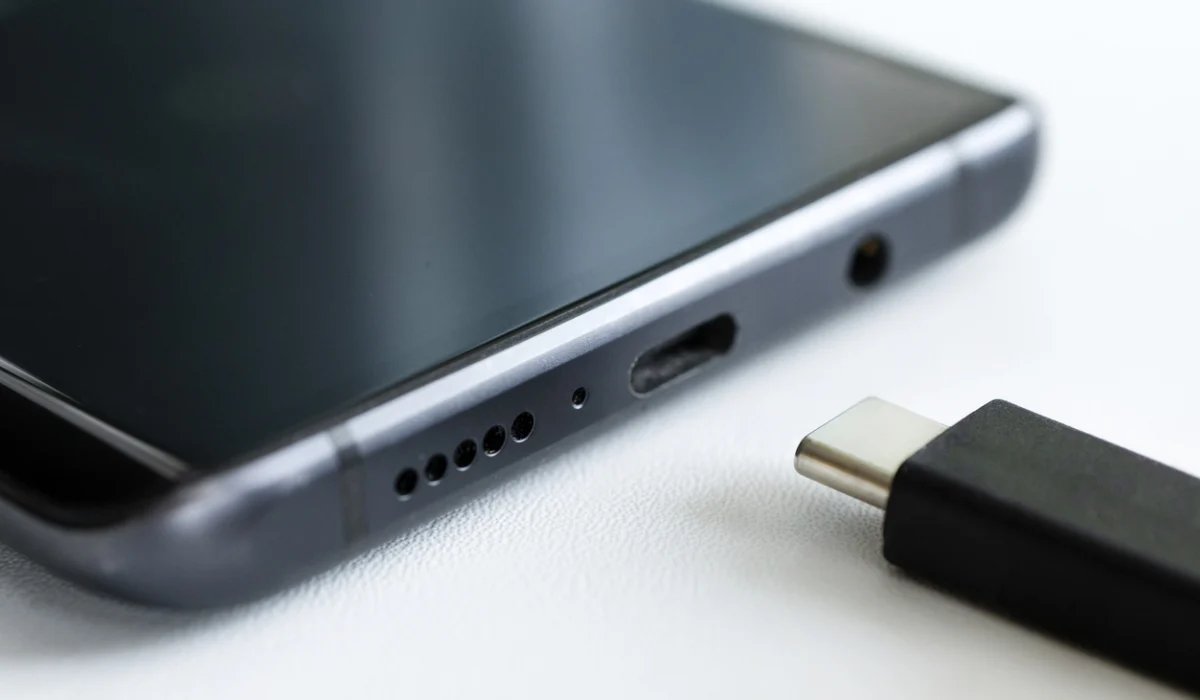
Egypt uses Type C and Type F sockets, the same round two-pin style found across most of Europe. Type C is the slim two-pin plug, and Type F (also called Schuko) has the same two pins with side grounding clips; both fit the same socket. The supply is 220 volts at 50 hertz, almost double the 110 to 120 volts used in the United States and Canada. If you have traveled to France, Germany or Italy, the plugs you used there will work in Egypt too.
Most travelers only need an adapter, which changes the plug shape. Check the small print on your charger: if it says "Input 100-240V", the device is dual voltage and works safely in Egypt with just an adapter. Phones, tablets, laptops and camera chargers almost always fall in this group. Single-voltage items such as some hair dryers, curling irons and electric shavers are rated for 110 to 120 volts only, and need a voltage converter or they may burn out. The simple fix is to leave hot styling tools at home, since most hotels provide a hair dryer.
Hotel rooms and Nile cruise cabins usually have two or three sockets, and many newer hotels add USB ports beside the bed. Outlets are much harder to find on trains, buses and long day tours, so a fully charged power bank is your best friend on sightseeing days. Pack a compact adapter with two USB ports, so one Egypt power outlet can charge your phone and camera at the same time. Short power cuts can happen, and good hotels switch to a generator within seconds.
Yes, for almost every visitor. Roaming with a US plan can cost $10 or more per day, while a local tourist SIM gives you 20 to 40 GB for roughly $4 to $12. Mobile data lets you use maps, ride apps like Uber and Careem, translation tools and WhatsApp, which is how most Egyptian guides, drivers and hotels keep in touch. If you only want to check messages at your hotel each evening, Wi-Fi may be enough, but most travelers find data far more convenient.
Egypt has four mobile networks, and all of them cover the main tourist cities well. Vodafone is the most popular choice with travelers thanks to its strong coverage along the Nile and in resort towns. Orange often offers the best value tourist bundles, with generous data at low prices. e& (formerly Etisalat) and WE (Telecom Egypt) are solid alternatives, though their shops are harder to find. Coverage on all networks drops in the deep desert and parts of Sinai, so download offline maps before long road trips.
The quickest place is the airport: Cairo International has Vodafone and Orange kiosks in the baggage claim hall, and Luxor and Hurghada airports have counters too. Official network stores in malls and city centers are slightly cheaper. Bring your passport, because every SIM must be registered with your ID and entry visa; the staff will scan it and set everything up in about ten minutes. Ask for a "tourist package", pay in Egyptian pounds, and check the data balance in the network's app before you walk away. Your phone must be unlocked to accept a new SIM, so confirm that with your carrier before you leave home.
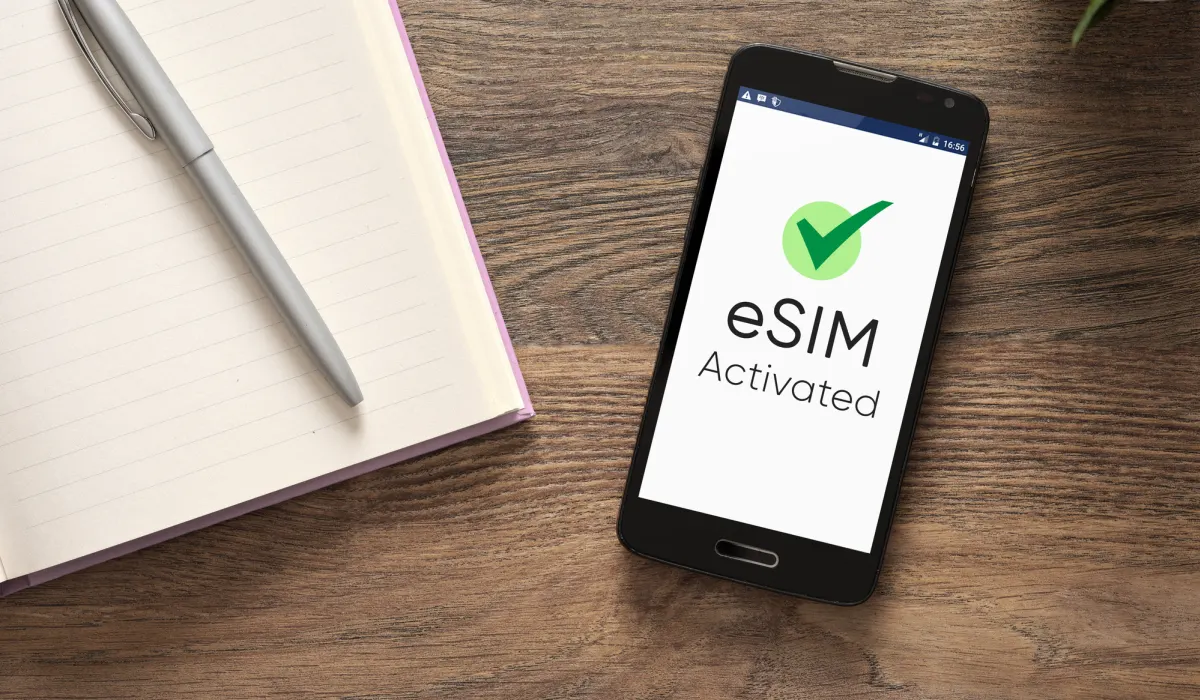
An eSIM is the easiest option if your phone supports it. You buy a data plan online from a travel eSIM provider, scan a QR code at home, and your phone connects to a local network such as Orange or Vodafone the moment you land, with no queue and no paperwork. You also keep your home number active for texts from your bank. The trade-off is price and features: a travel eSIM usually costs more per gigabyte than a local SIM and normally includes data only, with no Egyptian phone number for local calls.
No, as long as you are visiting as a tourist. Egypt now registers every foreign phone that connects to a local network, and residents pay customs duty on phones bought abroad. Visitors are exempt: you can use your phone with your home SIM or a travel eSIM at no charge, and a tourist SIM bought with your passport gives your phone a 90-day exemption for each visit. Just make sure you ask for a tourist line, not a regular local line, and you will not need to register anything yourself.
Most hotels offer free Wi-Fi, and speeds are fine for messaging and browsing, though video calls can stutter in the evening when everyone is online. On Nile cruises, Wi-Fi is often limited to the lobby or sun deck and can drop out between towns, so mobile data is more dependable on the river. Cafés, malls and many restaurants in Cairo, Luxor and Aswan offer free Wi-Fi when you order; just ask for the password. Avoid logging into banking apps on open public networks.
Pack two Type C adapters (one spare), a power bank of at least 10,000 mAh, and a short charging cable for each device. Check that your phone is unlocked and eSIM-ready before you fly, and download offline Google Maps for Cairo, Luxor and Aswan. Save your hotel address and your guide's WhatsApp number in your phone. Leave single-voltage hair tools at home, and keep chargers in your carry-on so you can top up during layovers.
On a guided trip, staying connected matters less, because your guide and driver handle the logistics and are just a WhatsApp message away. Our Egypt tour packages include hotels and Nile cruises with Wi-Fi, private transfers and expert Egyptologist guides, and your guide can point you to the nearest SIM counter when you land. Browse the itineraries and choose the one that fits your dates.
1.Do US plugs work in an Egypt power outlet?
No. US plugs have flat pins, and Egypt uses round two-pin Type C and F sockets, so you need a plug adapter.
2.What voltage does Egypt use?
220 volts at 50 hertz. Dual-voltage devices marked 100-240V work fine; 110V-only devices need a converter.
3.Can I buy an Egypt SIM card at Cairo Airport?
Yes. Vodafone and Orange have kiosks in the arrivals baggage hall. Bring your passport, as every SIM must be registered.
4.How much does a tourist SIM cost in Egypt?
Tourist packages usually cost about 200 to 600 Egyptian pounds (roughly $4 to $12) for 20 to 40 GB of data.
5.Does an eSIM work in Egypt?
Yes. Travel eSIMs connect to local networks such as Orange and Vodafone. Install it before you fly and switch it on when you land.
6.Will I have to pay tax on my phone in Egypt?
No. Tourists can use their phones with a home SIM or eSIM free of charge, and a tourist SIM gives your phone a 90-day exemption per visit.
7.Is free Wi-Fi available in Egypt?
Yes, in most hotels, cruise ships and cafés, though speeds vary. For maps and calls on the go, mobile data is more reliable.


