
Introduction

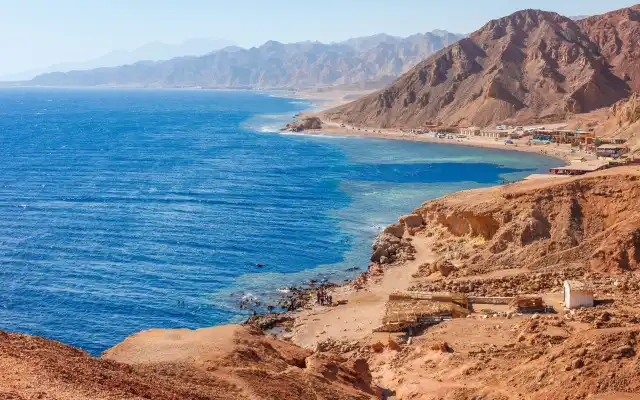
The Red Sea is a stunning body of water separating northeastern Africa from the Arabian Peninsula, and Egypt's Red Sea coast is one of the world's premier destinations for beach vacations, diving, and marine adventure. Stretching along Egypt's eastern shoreline, the Red Sea is famous for its crystal-clear turquoise waters, vibrant coral reefs, warm year-round climate, and an incredible variety of marine life. From the bustling resort city of Hurghada to the tranquil bays further south, Egypt's Red Sea coast offers something for everyone — whether you dream of world-class diving, relaxing on golden beaches, or exploring some of the healthiest coral reefs on the planet.
Below you'll find everything you need to know about where the Red Sea is, what to see, its climate, and the best things to do along Egypt's remarkable coastline.
Where Is the Red Sea Located?

The Red Sea sits between Africa and Asia, bordered by Egypt, Sudan, and Eritrea on its western shore, and Saudi Arabia and Yemen to the east. In the north it splits into two arms — the Gulf of Suez and the Gulf of Aqaba — which cradle the Sinai Peninsula, while in the south it connects to the Indian Ocean through the narrow Bab-el-Mandeb strait.
Egypt's Red Sea coastline runs for roughly 1,500 kilometres, from the Gulf of Suez down towards the Sudanese border. This long stretch is home to Egypt's most popular seaside resorts, including Hurghada, Marsa Alam, Safaga, El Gouna, and Soma Bay on the mainland, plus Sharm El Sheikh and Dahab on the Sinai Peninsula.
The Red Sea is also historically significant as a vital trade route linking the Mediterranean — via the Suez Canal — with the Indian Ocean, making it one of the busiest and most strategically important waterways in the world.
What Are the Best Places to Visit Along the Red Sea?

Egypt's Red Sea coast is dotted with resorts and towns, each with its own distinct character, so there's a perfect base for every kind of traveler.
Hurghada is the coast's most famous resort city, offering a lively mix of hotels, restaurants, nightlife, and easy access to superb dive sites and island trips. It's ideal for first-time visitors and families alike.
Sharm El Sheikh, on the southern tip of the Sinai Peninsula, is renowned for its luxury resorts and the spectacular Ras Mohammed National Park, one of the finest diving areas in the world.
Marsa Alam, further south, is a quieter, more nature-focused destination, prized for pristine reefs, dolphin encounters at Samadai Reef, and unspoiled beaches.
Dahab offers a relaxed, bohemian atmosphere that appeals to backpackers and free spirits, and is home to the legendary Blue Hole dive site.
El Gouna and Soma Bay are polished, purpose-built resort towns known for lagoons, golf, watersports, and upmarket relaxation.
Beyond the resorts, the Red Sea's many offshore islands and marine parks — such as the Giftun Islands near Hurghada — are must-visit spots for their dazzling coral and turquoise shallows.
What Is the Climate Like Along the Red Sea?
The Red Sea coast enjoys a hot desert climate, which means abundant sunshine, very little rainfall, and warm waters almost all year round — one of the main reasons it's such a reliable vacation destination.
Summers, from June to September, are hot, with daytime temperatures often reaching 35 to 40°C. The heat is tempered by sea breezes along the coast, and the water stays warm and inviting, making it perfect for swimming and watersports. This is peak season for sun seekers.
Winters, from December to February, are mild and pleasant, with daytime temperatures around 20 to 25°C. The sea remains warm enough for diving and snorkelling year-round, and this season is especially popular with European visitors escaping colder climates.
Spring and fall offer the most comfortable conditions of all — warm, sunny days without the intense summer heat. Rainfall is extremely rare in any season, so you can plan beach days and boat trips with confidence at almost any time of year.
What Are the Best Things to Do at the Red Sea?

The Red Sea is an adventure playground, and its warm, clear waters make it one of the best places on earth for underwater exploration and watersports.
Red Sea diving is the star attraction. The region is world-famous among divers for its extraordinary visibility, dramatic wrecks like the SS Thistlegorm, vertical reef walls, and abundant marine life. With dive sites suited to everyone from complete beginners to seasoned professionals, it consistently ranks among the top diving destinations globally.
Snorkelling is just as rewarding for those who prefer to stay near the surface. The shallow reefs teem with colourful fish, and you often don't need to venture far from shore to encounter a thriving underwater world.
Exploring the coral reef Red Sea ecosystems is an unforgettable experience in itself. These reefs are among the most biodiverse and resilient in the world, home to over 200 types of coral and more than 1,000 species of fish, including clownfish, parrotfish, and the occasional reef shark or turtle.
For a drier day out, the Red Sea aquarium attractions — such as the Grand Aquarium and Hurghada Grand Aquarium — showcase the region's marine life in walk-through tunnels and themed zones, making them a great option for families and non-divers.
Beyond the water, you can enjoy desert safaris by quad bike or 4x4, glass-bottom boat trips, kitesurfing and windsurfing in the breezy bays, or simply relaxing on the beach with the sound of the waves. Boat excursions to islands like Giftun or Utopia Island combine sunbathing, snorkelling, and swimming in some of the clearest water you'll ever see.
What Marine Life Can You See in the Red Sea?

Part of what makes the Red Sea so special is its astonishing biodiversity. The warm, nutrient-rich waters support a vast web of life that delights divers and snorkellers alike.
The coral reefs form the foundation of this ecosystem, providing shelter and food for thousands of species. Among the fish you might spot are dazzling angelfish, butterflyfish, lionfish, and Napoleon wrasse. Larger creatures include sea turtles, moray eels, rays, dolphins, and several species of reef shark.
The Red Sea is also known for seasonal visitors such as whale sharks and manta rays, particularly around the southern reefs of Marsa Alam. This remarkable variety of life, combined with excellent water clarity, is exactly why the region is treasured by marine enthusiasts from all over the world.
Frequently Asked Questions
- Why is the Red Sea so popular for diving?
The Red Sea offers exceptional water clarity, warm temperatures year-round, vibrant coral reefs, famous shipwrecks, and abundant marine life. These conditions make it one of the top diving destinations in the world for all skill levels. - Is the Red Sea safe for swimming?
Yes, the Red Sea is generally very safe for swimming, especially in the calm bays and lagoons of resort areas. As with any sea, it's wise to follow local guidance, respect marine life, and avoid touching the coral. - What is the best time to visit the Red Sea?
Spring (March to May) and fall (September to November) offer the most comfortable temperatures. Winter is ideal for escaping colder climates, while summer suits dedicated sun and sea lovers. - Can beginners go diving in the Red Sea?
Absolutely. The Red Sea is one of the best places in the world to learn to dive, with numerous certified schools, calm shallow reefs for beginners, and more challenging sites for experienced divers. - Why is it called the Red Sea?
There are several theories, including seasonal blooms of reddish algae that can tint the water, nearby red-hued mountains, and ancient directional naming systems. The exact origin remains debated. - What coral and fish live in the Red Sea?
The Red Sea is home to over 200 species of coral and more than 1,000 species of fish, along with turtles, dolphins, rays, and reef sharks, making it one of the most biodiverse marine environments on earth.