
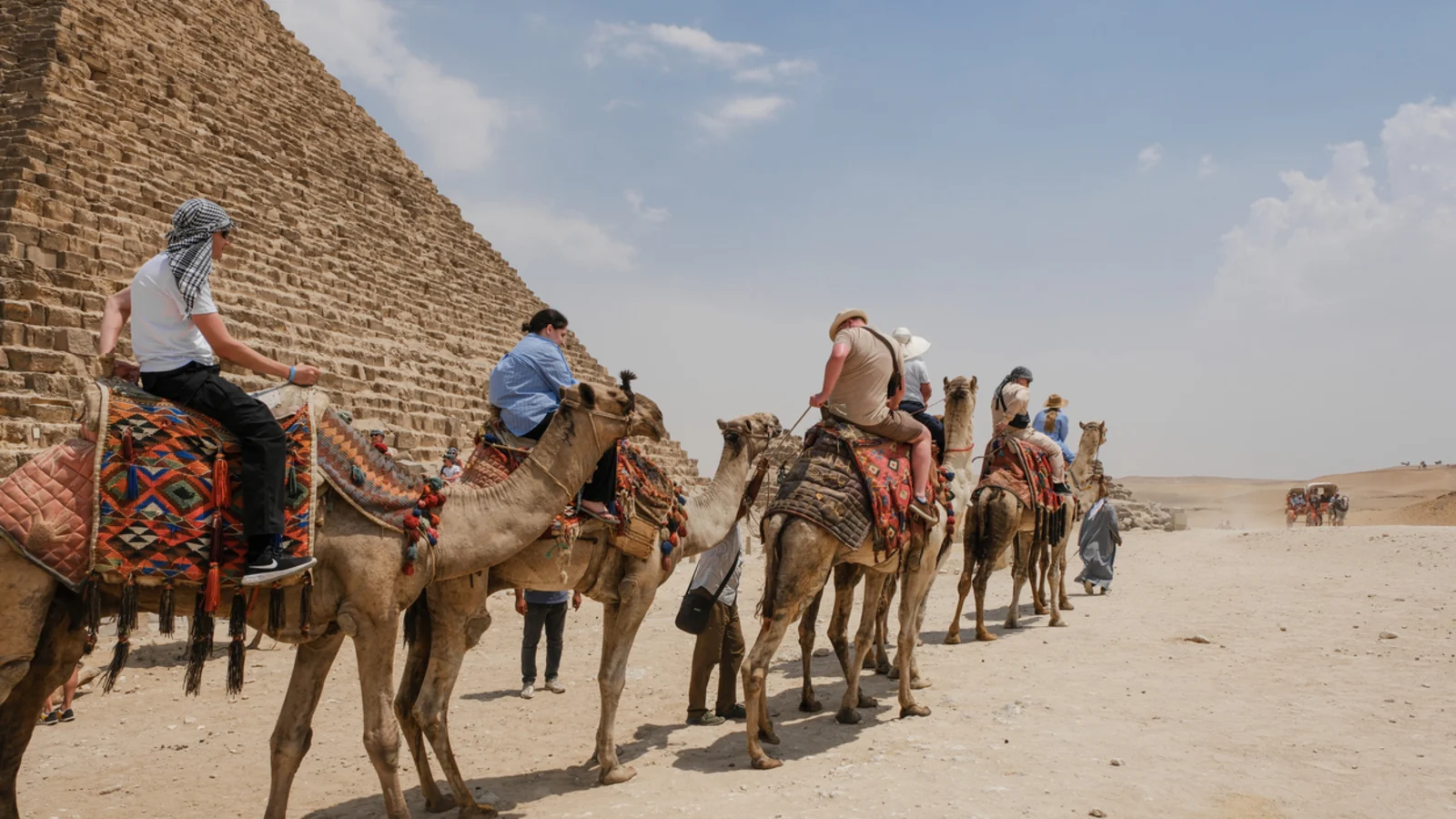
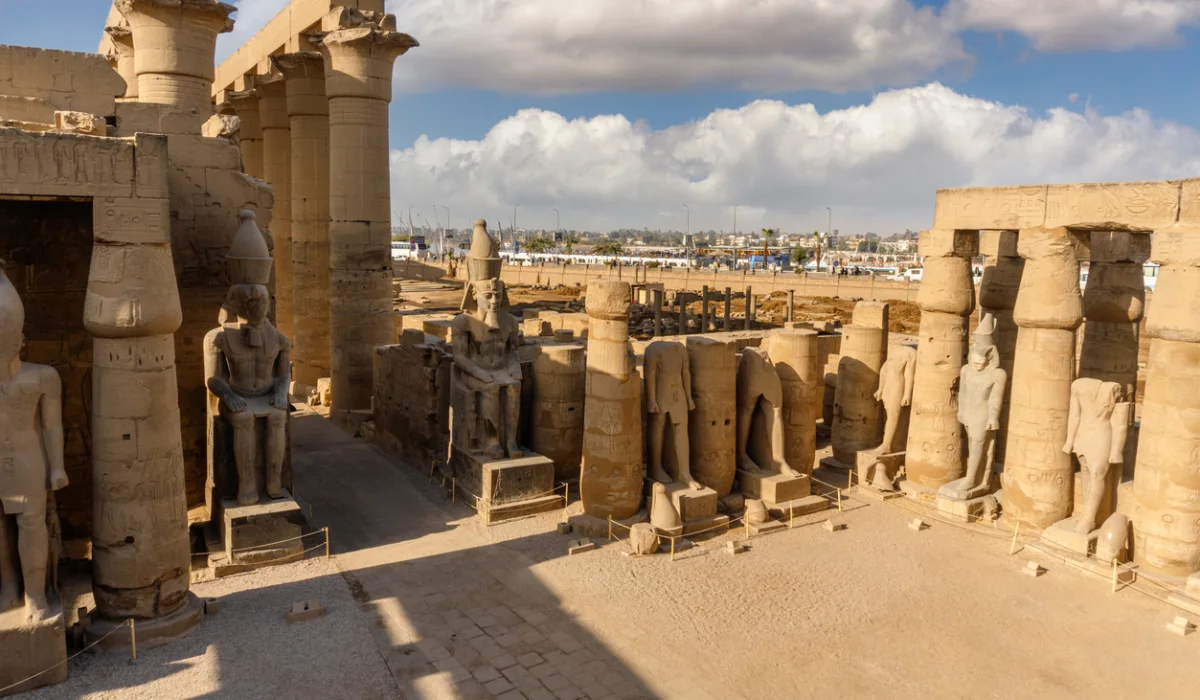
Yes. Egypt in January offers some of the best sightseeing weather of the year: sunny, dry days, comfortable afternoons and cool evenings. It is peak season, so the Pyramids, Luxor and Aswan are busier and prices are higher, but the mild temperatures make long days at the temples a pleasure rather than a test of endurance. In this guide you will find the weather city by city, how busy it gets, the holidays to know about, the best things to do and what to pack.
January is Egypt's coolest month, but "cool" here means pleasant. In Cairo, days reach about 66°F (19°C) and nights fall to around 48°F (9°C), with the odd cloudy day. Luxor and Aswan in the south are warmer, with sunny afternoons of 73 to 75°F (23 to 24°C), but early mornings in the desert can drop to around 45 to 50°F (7 to 10°C). On the Red Sea coast, Hurghada and Sharm El Sheikh see highs of about 72°F (22°C) and milder nights. Rain is rare across the country, and you can expect long hours of sunshine almost every day.
January sits in the middle of Egypt's high season, which runs from October to April, and the weeks around New Year are the busiest of all. Expect queues at the Pyramids, the Grand Egyptian Museum and the Valley of the Kings, and higher prices for hotels, Nile cruises and domestic flights. The good news is that crowds ease after the first week of January, and visiting popular sites at opening time or late in the afternoon makes a big difference. Booking early also helps you lock in better rates and the best cabins.
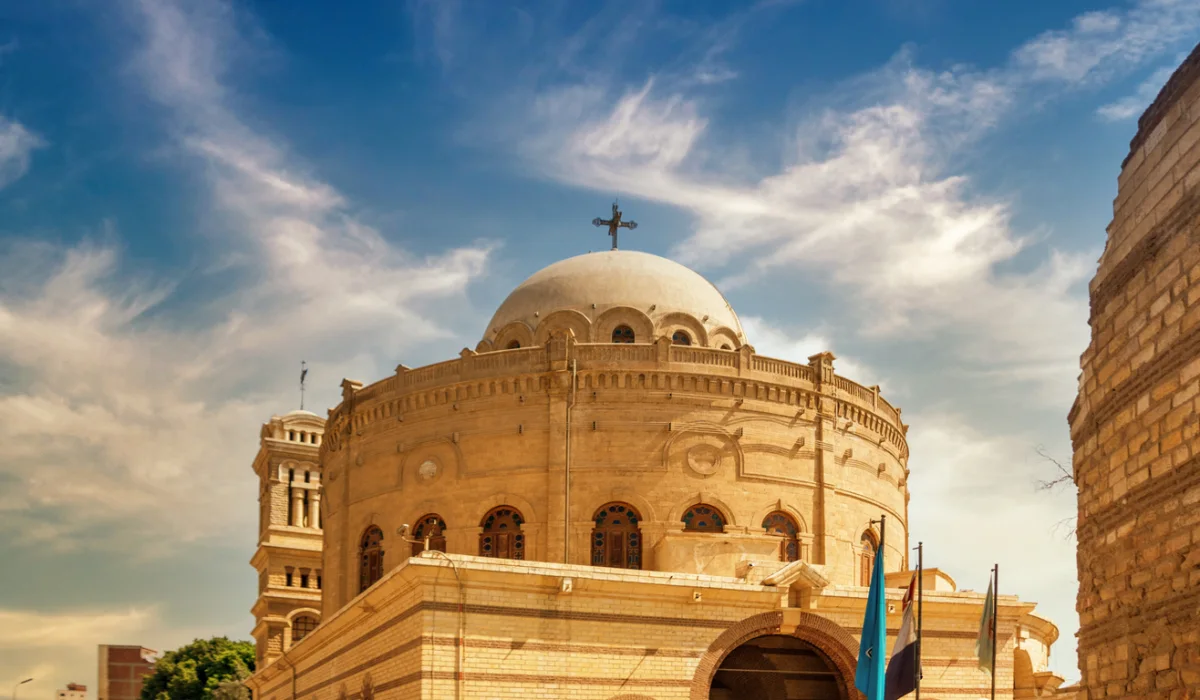
The biggest is Coptic Christmas on January 7, a national holiday when Egypt's Christian community attends midnight mass on Christmas Eve; Coptic churches in Old Cairo are especially atmospheric. January 25 is also a public holiday, marking the 2011 revolution and Police Day, so some government offices close and local travel is busier. Ramadan in 2027 is expected to begin around February 8, so January trips fall before the fasting month and restaurants keep their normal hours. Most tourist sites stay open on all of these dates.
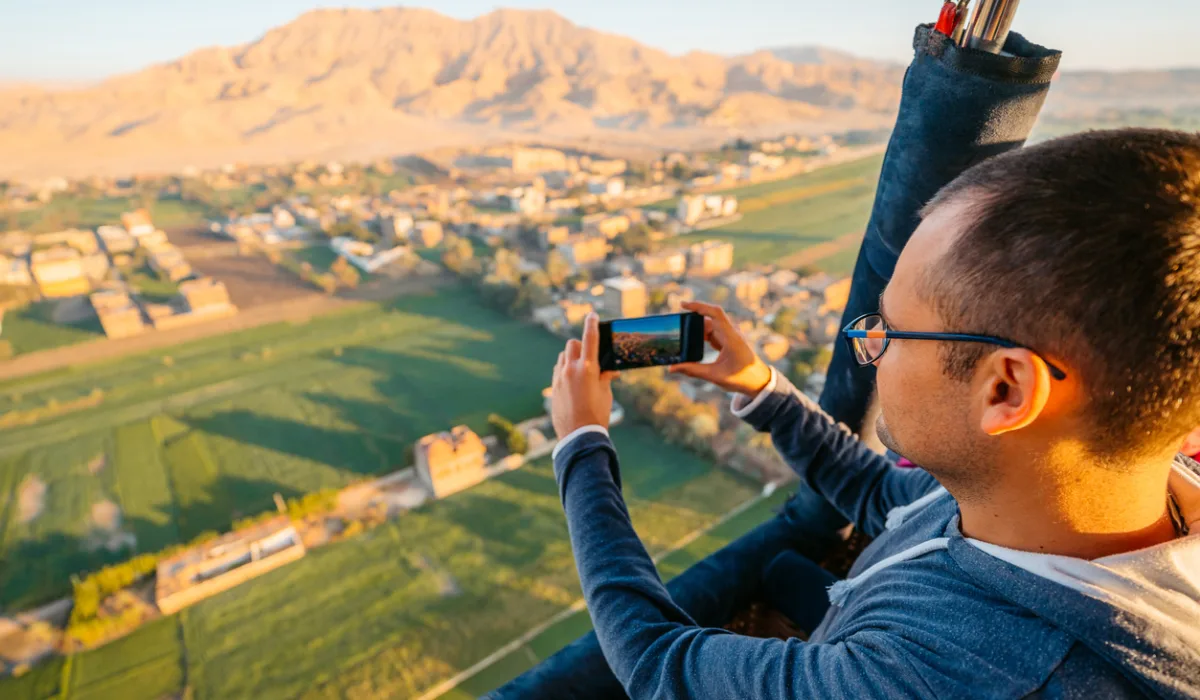
January weather is made for outdoor sightseeing. Spend a full day at the Giza Pyramids and the Grand Egyptian Museum without wilting in the heat. In Luxor, float over the Valley of the Kings in a sunrise hot air balloon, then explore Karnak and the West Bank tombs in comfortable temperatures. Aswan is lovely for a felucca sail at sunset, a visit to Philae Temple and a day trip to Abu Simbel. Desert lovers can camp under clear, starry skies in the White Desert, just remember that nights there are cold. Cairo's Islamic and Coptic quarters are also pleasant to explore on foot at this time of year.

It is one of the best. Sunny days of the low 70s °F (low 20s °C) make it comfortable to relax on the sun deck and to visit the temples of Edfu and Kom Ombo along the way. Evenings on the river get chilly, so bring a warm layer for dinner on deck. Because January is so popular, cruises between Luxor and Aswan fill up early, especially the best ships and dahabiyas, so book several months ahead if you have your heart set on a particular boat or cabin.

Yes, though it feels refreshing rather than warm. The Red Sea stays around 72°F (22°C) in January, which is fine for swimming, snorkeling and diving, especially with a wetsuit. Hurghada, El Gouna, Sharm El Sheikh and Marsa Alam enjoy sunny days, but afternoons can be breezy, so pick a sheltered beach or a hotel with a heated pool for lazy days. A few days on the coast make a relaxing end to a busy sightseeing trip along the Nile.
Think layers. Pack light, breathable tops and pants for warm afternoons, plus a fleece or light down jacket for early mornings, balloon rides, desert nights and evenings on the Nile. Comfortable closed walking shoes are a must for temple floors and tomb steps. The winter sun is still strong, so bring sunglasses, a hat and SPF 30+ sunscreen. A scarf is useful for chilly mornings and for covering your shoulders at mosques and churches, and a swimsuit is worth packing if you will visit the Red Sea or a hotel pool.
Aim for three to six months ahead, and earlier still if you are travelling over Christmas and New Year. Nile cruises, popular hotels in Luxor and Aswan, Abu Simbel flights and hot air balloon slots are the first to sell out. Reserve entry tickets for busy sites such as the Grand Egyptian Museum online when you can. If your dates are flexible, the second half of January is usually a little quieter and better value than the first.
Peak season rewards travellers who plan ahead. Our Egypt tour packages combine Cairo, Luxor, Aswan and the Red Sea with Nile cruises, private transfers and expert Egyptologist guides, so you can enjoy the best weather of the year without the stress of booking every piece yourself. Browse the itineraries and choose the one that fits your dates.
1.Is Egypt in January cold?
Not really. Days are mild to warm, from about 66°F (19°C) in Cairo to 75°F (24°C) in Aswan, but mornings and evenings are cool, so bring a jacket.
2.Does it rain much in January?
Very rarely. Cairo may see a cloudy or drizzly day, while Luxor and Aswan are almost always dry and sunny.
3.Is January peak season in Egypt?
Yes. It is one of the busiest months, so expect more visitors at major sites and higher prices, especially around New Year.
4.Can you swim in the Red Sea in January?
Yes. The water is around 72°F (22°C), which is fine for swimming and snorkeling, though it feels fresh.
5.When is Coptic Christmas?
On January 7 every year. It is a national holiday, and tourist sites stay open.
6.Is Ramadan in January?
Not in 2027. Ramadan is expected to begin around February 8, 2027, so January trips are unaffected.
7.What should I wear in Egypt in winter?
Light layers for the day, a warm jacket for early mornings and evenings, comfortable walking shoes, and a scarf to cover your shoulders at religious sites.


