
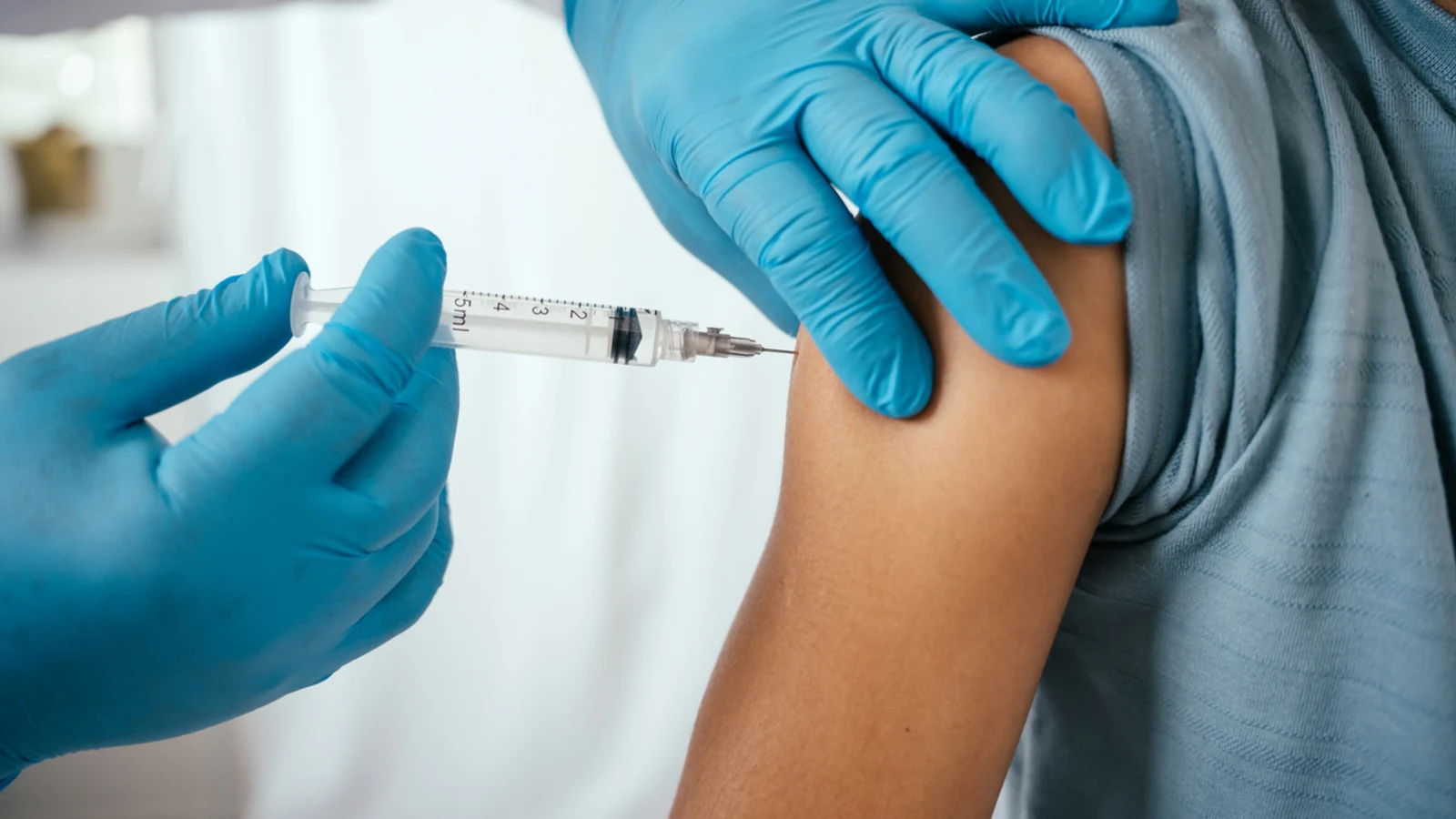
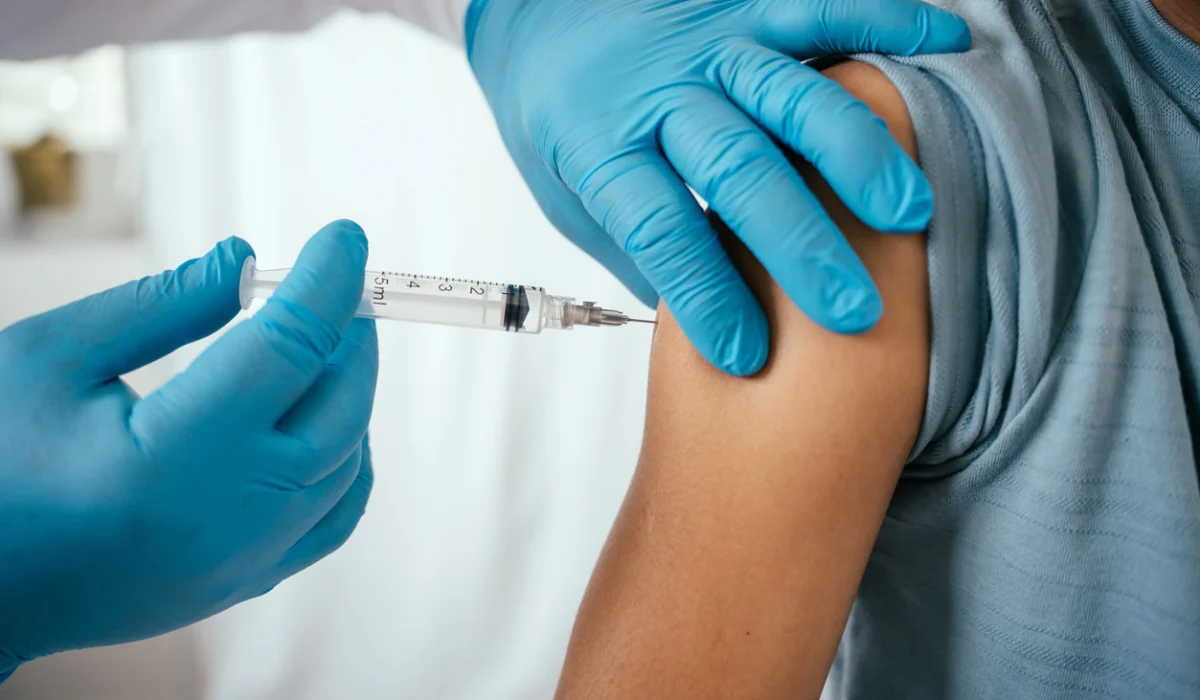
No vaccines are required to enter Egypt if you fly in from Canada or Europe. The CDC does recommend that every traveller is up to date on routine vaccines, and that most visitors also get hepatitis A and typhoid shots, since both spread through food and water. Hepatitis B and rabies are worth discussing with your doctor depending on your age and plans. Book a travel health appointment four to six weeks before you fly, because some vaccines need time to work. This guide explains each vaccine in plain terms, then covers food, water, sun and pharmacies so you can stay well on your trip.
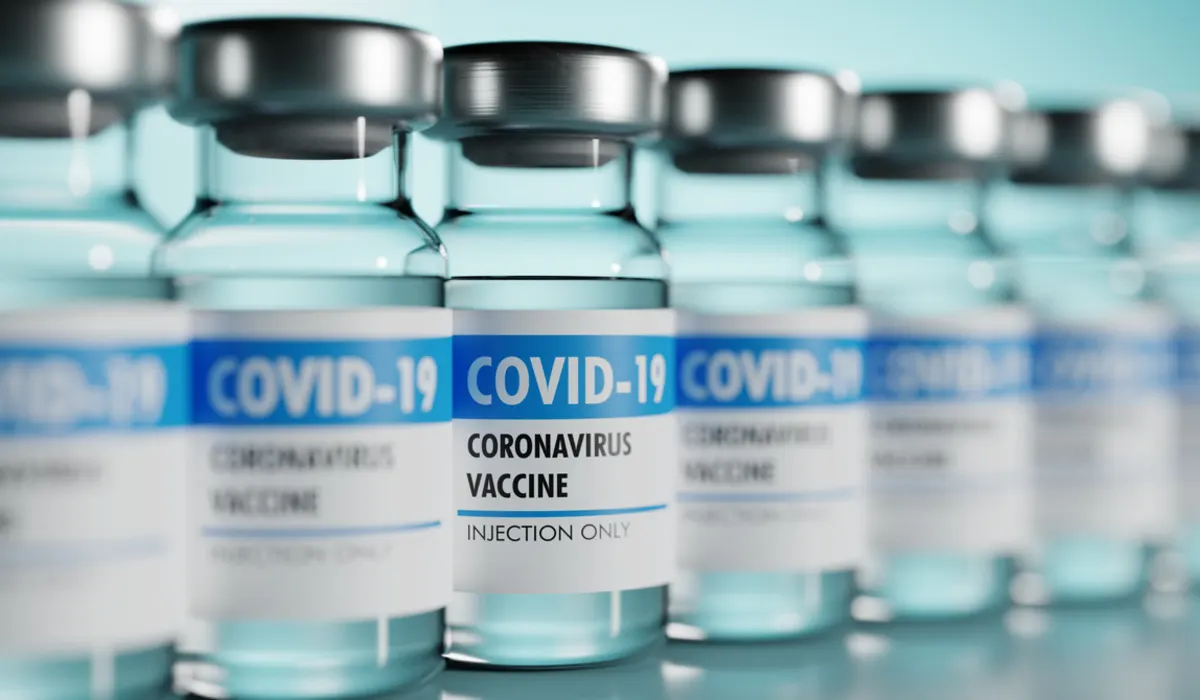
Start with the shots most people get as children or adults at home. The CDC lists measles-mumps-rubella (MMR), tetanus-diphtheria-pertussis, chickenpox, polio, shingles, flu and COVID-19 as routine vaccines every traveller should have. Measles cases are rising worldwide, so check that you have had two doses of MMR. Your tetanus booster should be within the last 10 years. If you are unsure, your doctor can check your records or give a booster at the same visit as your travel vaccines.
Both diseases spread through contaminated food and water, and both can occur even at good hotels and restaurants. The CDC recommends the hepatitis A vaccine for all unvaccinated travelers aged one year and older going to Egypt. One dose gives protection within about two weeks, and a second dose six months later gives long-term immunity. The typhoid vaccine is recommended for most travelers, especially if you will visit smaller towns or rural areas. It comes as a single injection or a short course of capsules, and should be taken at least one to two weeks before you travel.
Depending on your age, health and travel style, your doctor may add a few more. Hepatitis B is recommended by the CDC for unvaccinated travelers under 60. Rabies vaccination is worth considering if you will spend time outdoors in rural areas or around animals, as stray dogs are common in Egypt; whatever you decide, do not pet stray animals, and get medical care quickly after any bite or scratch. Because poliovirus has been detected in Egypt recently, the CDC advises a one-time adult polio booster for travelers at higher risk, such as health and aid workers. Finally, a yellow fever certificate is required only if you arrive from, or spent more than 12 hours transiting through, a country with yellow fever risk; travelers flying in from Canada or Europe do not need one.
The CDC does not recommend antimalarial pills for Egypt; the last local malaria cases were reported in Aswan in 2014. Dengue, however, is being reported more often, including among visitors. There is no simple travel vaccine for dengue, so the best protection is avoiding mosquito bites: use an insect repellent containing DEET or picaridin, wear long sleeves in the evening near the Nile, and choose rooms with screens or air conditioning.
Book a visit with your doctor or a travel clinic four to six weeks before departure. That gives enough time for vaccines that need two doses or a couple of weeks to take effect. Bring your vaccination record, your travel dates and a rough itinerary, for example whether you will stay in cities, cruise the Nile or go to remote desert areas. If you are leaving at short notice, still go: even a last-minute visit can give you useful protection and advice.
Drink bottled or filtered water only, and check that the cap is sealed. Use bottled water to brush your teeth, and skip ice unless you know it is made from purified water. Eat food that is freshly cooked and served hot, and peel fruit yourself. Salads and raw vegetables are usually fine in good hotels and on cruise ships, but be more careful at street stalls. Carry hand sanitizer and use it before meals. If you do get traveller's diarrhea, drink plenty of fluids with oral rehydration salts, and see a doctor if you have a high fever or symptoms last more than a couple of days. Do not swim or wade in the Nile or canals, as freshwater there can carry a parasitic infection called schistosomiasis.
The sun in Egypt is strong all year, and summer temperatures in Luxor and Aswan often pass 104°F (40°C). Drink water before you feel thirsty, and aim for at least 2 to 3 liters a day on sightseeing days. Wear a wide-brimmed hat, sunglasses and light, loose clothing that covers your shoulders, and apply SPF 30 or higher sunscreen every two hours. Visit open-air sites like the Valley of the Kings early in the morning, and rest in the shade at midday. Dizziness, headache and nausea can be signs of heat exhaustion, so stop, cool down and drink fluids right away.
Pharmacies are everywhere in Egyptian cities, many open late or around the clock, and pharmacists often speak some English. They can help with minor problems such as stomach upsets, colds, sunburn and insect bites. Many medicines that need a prescription at home are sold over the counter, but brand names may differ, so bring a note of the generic names of anything you take. For anything serious, private hospitals in Cairo, Alexandria, Luxor, Aswan, Hurghada and Sharm El Sheikh offer good care, though they usually ask for payment or insurance details up front. Your hotel reception can call a doctor to your room if needed.
Pack enough of your regular medicines for the whole trip plus a few extra days, in their original labeled packaging, and keep them in your carry-on. Bring a copy of your prescriptions, especially for controlled medicines. A simple kit should include pain relievers, anti-diarrhea tablets, oral rehydration salts, antihistamines, insect repellent, sunscreen, after-sun lotion, bandages and hand sanitizer. Finally, buy travel insurance that covers medical care and emergency evacuation, since US health plans and Medicare usually do not pay for treatment abroad.
Once your Egypt vaccinations are sorted, the rest of the trip can be just as easy. Our Egypt tour packages include trusted hotels and Nile cruises, air-conditioned private transfers and expert Egyptologist guides who plan sightseeing around the cooler hours of the day. Browse the itineraries and choose the one that fits your dates and pace.
1.Are any Egypt vaccinations required for entry?
Not for travelers flying in from Canada or Europe. A yellow fever certificate is required only if you arrive from, or transit more than 12 hours through, a country with yellow fever risk.
2.Which vaccines does the CDC recommend for Egypt?
Routine vaccines for everyone, plus hepatitis A and typhoid for most travelers. Hepatitis B, rabies and a polio booster may be advised depending on your age and plans.
3.Do I need malaria pills for Egypt?
No. The CDC does not recommend antimalarial medicine for Egypt, but you should still use insect repellent to avoid mosquito bites.
4.How far ahead should I get my travel vaccines?
Ideally four to six weeks before you leave, so vaccines have time to work. A last-minute visit is still worthwhile.
5.Is tap water safe to drink in Egypt?
Visitors should drink bottled or filtered water, use it to brush their teeth, and avoid ice unless it is made from purified water.
6.Can I buy medicine at pharmacies in Egypt?
Yes. Pharmacies are easy to find, and many common medicines are sold over the counter. Bring the generic names of anything you take regularly.
7.Do I need travel insurance for Egypt?
It is strongly recommended. Choose a policy that covers medical treatment and emergency evacuation, as most US health plans do not cover care abroad.


