Luxor City

Luxor is a city in southern Egypt, built on the site of ancient Thebes on the banks of the Nile, about 650 kilometres south of Cairo. Often called the world's greatest open-air museum, Luxor is estimated to hold around a third of the world's ancient monuments, making it one of the most important archaeological destinations on earth. The city is split by the Nile into two halves that shaped how the ancient Egyptians saw the world: the East Bank, home to the living and their grand temples, and the West Bank, the land of the dead with its royal tombs. Few places let you walk straight into the ancient world the way Luxor, Egypt does.
In this guide, you'll find the top things to do in Luxor City, the best time to visit, how to get there, practical travel tips, and answers to the questions travellers ask most.
Where Is Luxor and Why It Matters

Luxor sits on the banks of the Nile in southern Egypt, roughly 650 km south of Cairo. For centuries, it served as Thebes, the capital of ancient Egypt and the religious heart of the kingdom, dedicated to the god Amun-Ra.
That East Bank and West Bank divide is the key to understanding the city. The rising sun in the east was linked with life, so temples and settlements were built there. The setting sun in the west was linked with death and the afterlife, which is where pharaohs and nobles were buried. Today, Luxor is one of Egypt's most rewarding destinations and a highlight of any itinerary — often experienced as part of a Nile cruise sailing between Luxor and Aswan.
Top Things to Do in Luxor

Luxor City packs an astonishing amount of history into a compact area. Here are the sights you shouldn't miss.
Karnak Temple Complex
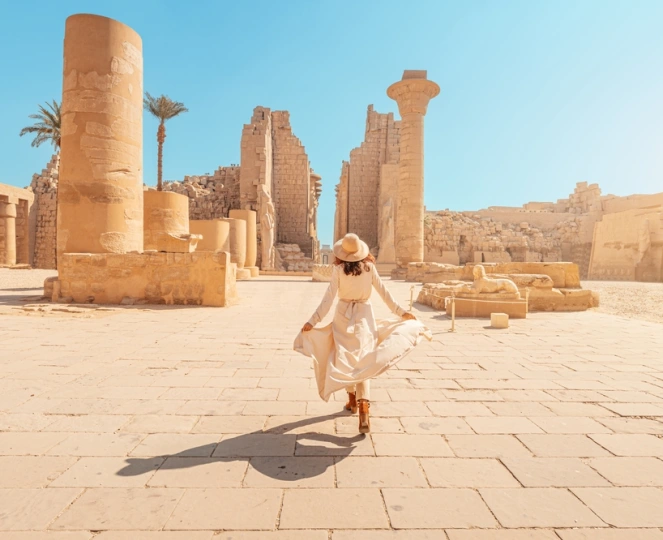
Karnak is the largest religious building ever constructed and the single most impressive sight in Luxor. Built and expanded over roughly 2,000 years by successive pharaohs, its scale is hard to grasp until you're standing inside the Great Hypostyle Hall, surrounded by 134 towering columns. Give yourself at least two hours here.
Luxor Temple
Right in the centre of Luxor City, this elegant temple was once connected to Karnak by a nearly 3 km avenue of sphinxes, much of which has now been restored. Luxor Temple is especially magical after dark, when soft lighting brings its statues and colonnades to life — making it a perfect late-afternoon or evening visit.
Valley of the Kings
On the West Bank lies the burial ground of Egypt's New Kingdom pharaohs, including Tutankhamun and several rulers named Ramesses. A standard ticket lets you enter three tombs, with special tickets required for the most famous ones, such as Tutankhamun's. The painted walls and hieroglyphs inside are remarkably vivid, protected for millennia beneath the desert rock.
Valley of the Queens and the Tombs of the Nobles
Quieter than the Valley of the Kings, these tombs reward visitors with some of the finest, most colourful decoration in all of Luxor. The Tomb of Nefertari, when open, is considered one of the most beautiful in Egypt.
Temple of Hatshepsut (Deir el-Bahari)
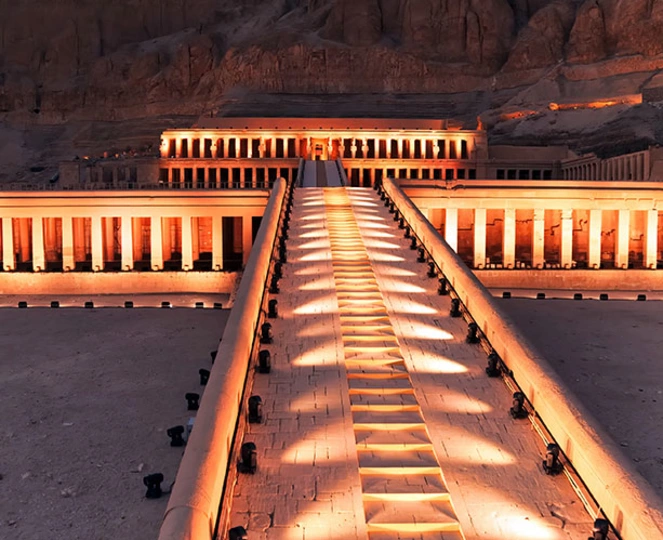
This dramatic mortuary temple rises in terraces against a backdrop of sheer cliffs, dedicated to one of Egypt's few female pharaohs. Its clean, modern-looking lines make it one of the most photographed monuments in Luxor.
Colossi of Memnon
These two massive stone statues once guarded a vast mortuary temple that has since disappeared. They make a quick, free roadside stop on the way to or from the other West Bank sights.
Hot Air Balloon Ride at Sunrise
For many travellers, a sunrise balloon flight over the West Bank is the highlight of their trip. Drifting silently above the temples, tombs, and green fields of the Nile as the sun comes up is an unforgettable way to see Luxor from a completely different angle.
Best Time to Visit Luxor

The best time to visit Luxor is from October to April, when daytime temperatures are pleasant for sightseeing and exploring the tombs. This is peak season, so expect more visitors at the major sites.
Summer, from May to September, is extremely hot, with temperatures often climbing above 40°C. If you travel in summer, plan your sightseeing for early morning, rest during the midday heat, and carry plenty of water. Whatever the season, starting early helps you beat both the heat and the crowds.
| Season | Months | Weather | Crowds |
|---|---|---|---|
| Peak | Oct–Apr | Warm, comfortable | Busier |
| Shoulder | May, Sep | Hot | Moderate |
| Low | Jun–Aug | Very hot (40°C+) | Quieter |
How to Get to Luxor and Getting Around

Reaching Luxor is straightforward. Luxor International Airport connects to Cairo and a number of international cities with short domestic flights. Many travellers also take the comfortable overnight sleeper train from Cairo, or arrive by Nile cruise from Aswan — one of the most scenic ways to approach the city.
Getting around Luxor City is easy with taxis, and crossing the Nile between the East and West Banks is part of the fun, whether by motorboat or a traditional felucca sailboat. Because the sites are spread out and rich in history, a licensed guide and a private tour make a real difference in bringing the temples and tombs to life.
Practical Travel Tips
A few simple tips will make your visit smoother. Dress modestly out of respect for local customs, and wear light, breathable clothing along with a hat and sunscreen. Bring plenty of water and some small cash for tips, tickets, and photography passes, which are needed inside certain tombs. Plan to spend at least two full days in Luxor to see both banks without rushing. Booking a guided Luxor tour with a licensed operator takes the stress out of tickets, transport and timing, so you can focus on the history.
Frequently Asked Questions
1.Is Luxor worth visiting?
Absolutely. Luxor holds around a third of the world's ancient monuments and is considered one of the best destinations in Egypt for history and archaeology.
2.How many days do you need in Luxor?
Two full days is the minimum to comfortably see the main East Bank temples and the West Bank tombs. Three days allows a more relaxed pace.
3.Is Luxor safe for tourists?
Yes, Luxor is a well-established tourist destination and is generally very safe. Normal travel precautions apply, as anywhere.
4.What is Luxor famous for?
Luxor is famous for being the site of ancient Thebes, home to Karnak Temple, Luxor Temple, and the Valley of the Kings, including Tutankhamun's tomb.
5.How far is Luxor from Cairo and Aswan?
Luxor is about 650 km south of Cairo, roughly a one-hour flight. Aswan is around 220 km south of Luxor and is often linked by Nile cruise.
6.What's the best way to see Luxor — a cruise or a land tour?
Both are excellent. A Nile cruise pairs Luxor with Aswan and the sites in between, while a land tour lets you spend more focused time in Luxor City itself.
7.Do I need a guide for the Valley of the Kings?
A guide isn't mandatory, but a licensed Egyptologist guide greatly enriches the experience by explaining the tombs, symbols and history you'd otherwise miss.
Plan Your Trip to Luxor
Luxor is a place where ancient Egypt feels genuinely alive — where you can stand beneath temple columns raised thousands of years ago and step inside the tombs of pharaohs. Keep the East Bank and West Bank rhythm in mind, give the city at least two days, and you'll leave with memories that last a lifetime. Whether you choose a relaxed Nile cruise or a dedicated tour of Luxor City, planning ahead with a trusted operator lets you experience the wonders of Luxor, Egypt, with ease. Your journey into the heart of the ancient world starts here.